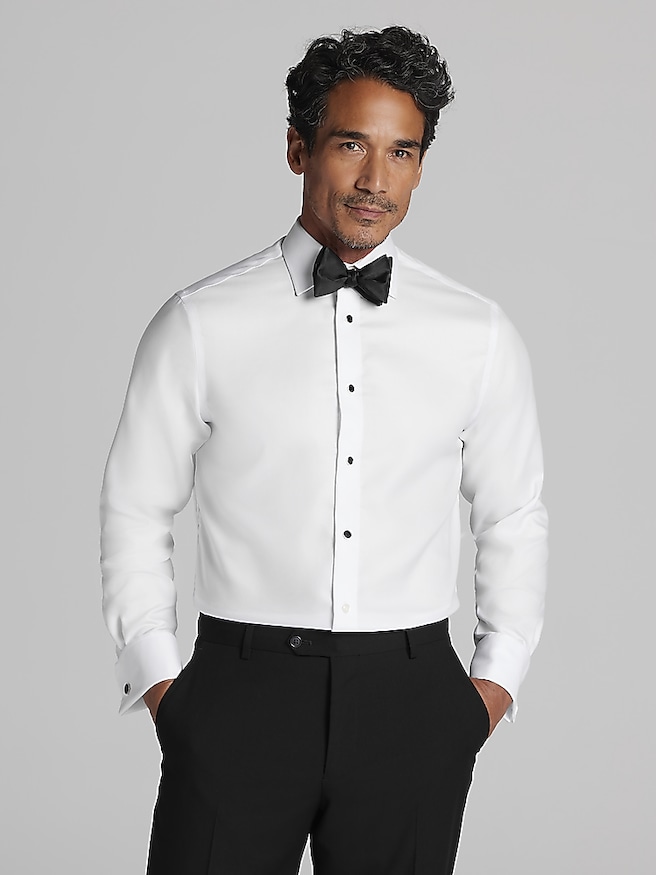
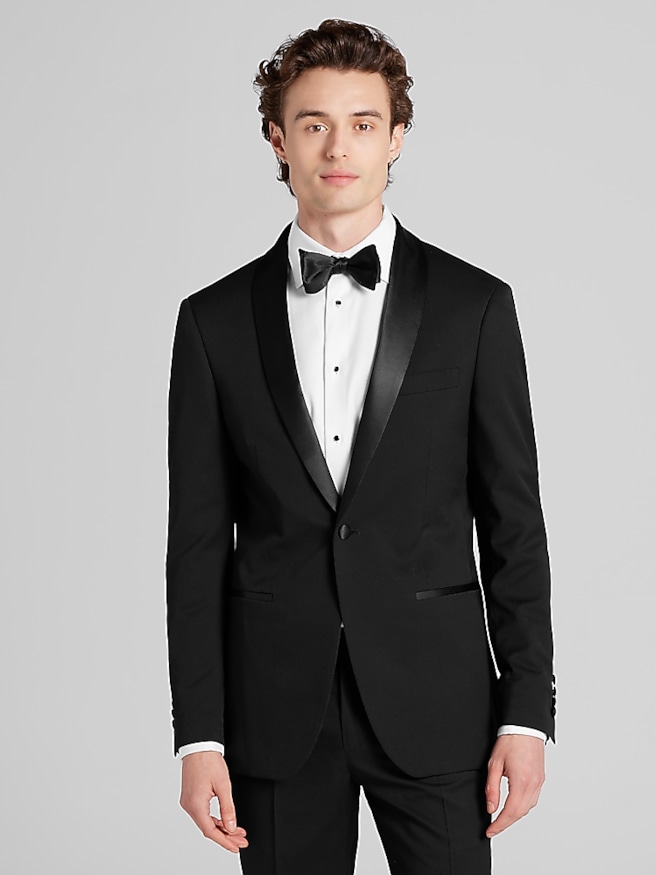
Classic evening wear centers on tailored formal clothing with clean lines, balanced proportions, and details that feel appropriate long after an event has ended. For men, that often means a black or midnight blue tuxedo, a dark suit suited to the occasion, a crisp dress shirt, and carefully chosen accessories. These pieces serve weddings, galas, formal dinners, awards ceremonies, and other gatherings where the invitation calls for a more polished appearance. The distinction between a tuxedo and a suit matters: a traditional tuxedo has contrasting lapel facings, often in satin or grosgrain, along with coordinating formal details such as a covered waistband and a stripe along the trouser seam. A suit generally uses the same main fabric across the jacket, lapels, and trousers, giving it a broader range of uses. Black tie traditionally calls for a tuxedo and black bow tie, while black-tie-optional events generally allow a dark suit with a dress shirt and a conservative tie. Within those expectations, personal style can come through in the curve of a shawl collar, the crisp angle of a peak lapel, or the subtle texture of a woven tie. Black offers a sharply defined, traditional look; midnight blue provides another established evening choice, while deep charcoal and navy are dependable colors for formal suits when the dress code permits them. The selection of Evening Wear Suits reflects this connection between occasion, tailoring, and understated presentation. The strongest combinations do not need a collection of attention-grabbing details. A smooth jacket front, a clean shirt collar, and trousers that fall neatly over polished shoes create a composed appearance across a receiving line, a seated dinner, and the dance floor. That consistency is part of the appeal of classic formal clothing: it allows the wearer to look appropriately dressed without making the outfit the center of every conversation, whether attending as a host, a guest, or someone being recognized.
Fabric and construction give classic evening clothing much of its character. Wool is a longstanding choice for formal tailoring because it can combine a smooth surface, attractive drape, and natural resilience. Fine worsted wool creates a relatively sleek finish, while fabrics with a little more body can give a jacket a defined shape without requiring a rigid feel. The weave, fabric weight, lining, and internal construction all affect how a garment moves and rests on the body; fiber content alone does not describe the whole experience. Blended fabrics may offer added stretch or wrinkle resistance, depending on their composition, but comfort still depends on cut and proportion. Silk can provide a soft luster in ties and decorative facings, while satin describes a weave rather than a single fiber. Grosgrain has a ribbed surface that gives tuxedo lapels and accessories a more textured finish. Velvet offers a deeper, light-catching surface for an evening jacket, especially when the occasion allows a more expressive interpretation of formal dress. Against these fabrics, a white cotton dress shirt provides a clear contrast and a familiar foundation. Fit brings the individual elements together. A jacket should follow the shoulders cleanly, with lapels that lie flat and a front that closes without pulling into pronounced creases. Sleeves that reveal a small amount of shirt cuff create a finished transition at the wrist, while adequate room through the upper back makes handshakes, seated conversations, and reaching for a glass more comfortable. Trousers need enough space through the seat and thighs to sit naturally, with a hem length that suits the leg shape and shoe. Slim, tailored, and more relaxed cuts can all look refined when their proportions work with the wearer rather than against them. A close-fitting silhouette is not the same as a tight one, and a roomier cut should still have a deliberate shape. These differences become especially noticeable over several hours of standing, dining, and moving between parts of an event.
Finishing details help evening wear feel complete, but their value lies in coordination rather than quantity. A black bow tie is the traditional companion to a tuxedo, and its scale should sit comfortably within the space framed by the shirt collar and jacket lapels. A long tie belongs more naturally with a formal suit, where a solid color or quiet woven pattern can add interest without overwhelming the tailoring. A white pocket square offers a crisp accent, while cuff links provide a small point of distinction when paired with a French-cuff shirt. Formal trouser supports and waist coverings should work with the garment’s construction; traditional tuxedo trousers often use side adjusters or suspenders rather than a belt. Smooth black leather shoes or patent leather formal shoes complete many classic evening combinations, with comfort and a clean finish both important during a lengthy reception. Dress socks that stay in place help maintain an uninterrupted line when seated. For frequent event guests, durable fabrics, secure buttons, sound seams, and a fit that allows natural movement support repeated wear. A well-made garment still benefits from thoughtful care: a broad, supportive hanger helps preserve a jacket’s shoulders, and allowing clothing to air after use can reduce unnecessary cleaning. Care labels should determine the appropriate cleaning method, particularly when a garment combines wool, silk, velvet, or contrasting trims. Prompt attention to spills and professional cleaning when needed help protect the fabric, while excessive heat or aggressive pressing can leave unwanted shine or flatten delicate surfaces. Breathable garment storage and avoiding crowded hanging space also help maintain shape. Shirts, ties, pocket squares, and cuff links can make thoughtful gifts for a partner, relative, graduate, or wedding participant whose formal wardrobe is taking shape, especially when their preferred colors and dress requirements are known. Jackets and trousers involve more precise sizing, making personal fit especially important. From the first photograph to the final farewell, classic evening wear is most effective when its materials, proportions, and details work quietly together, leaving the wearer comfortable and appropriately dressed for the occasion.