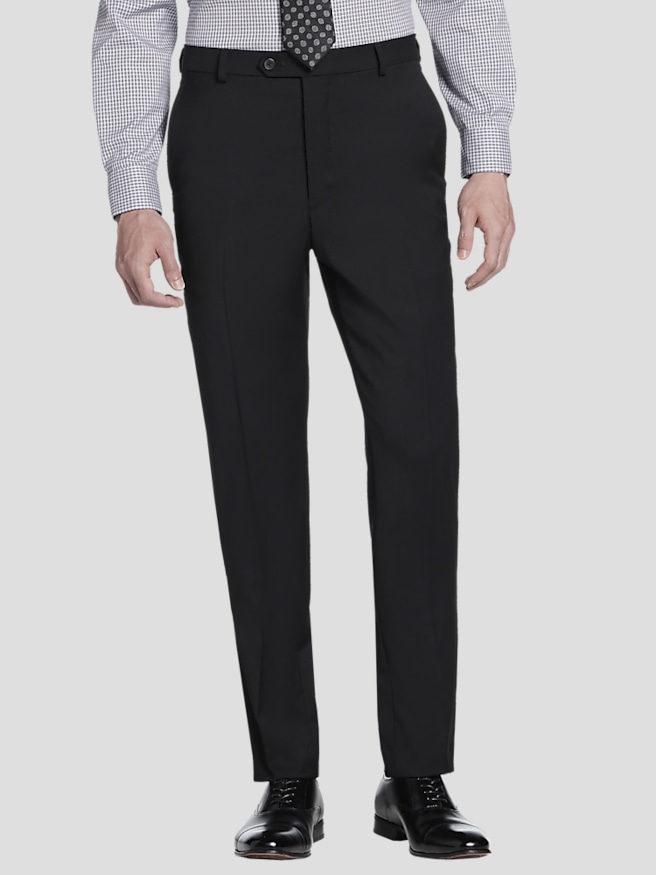
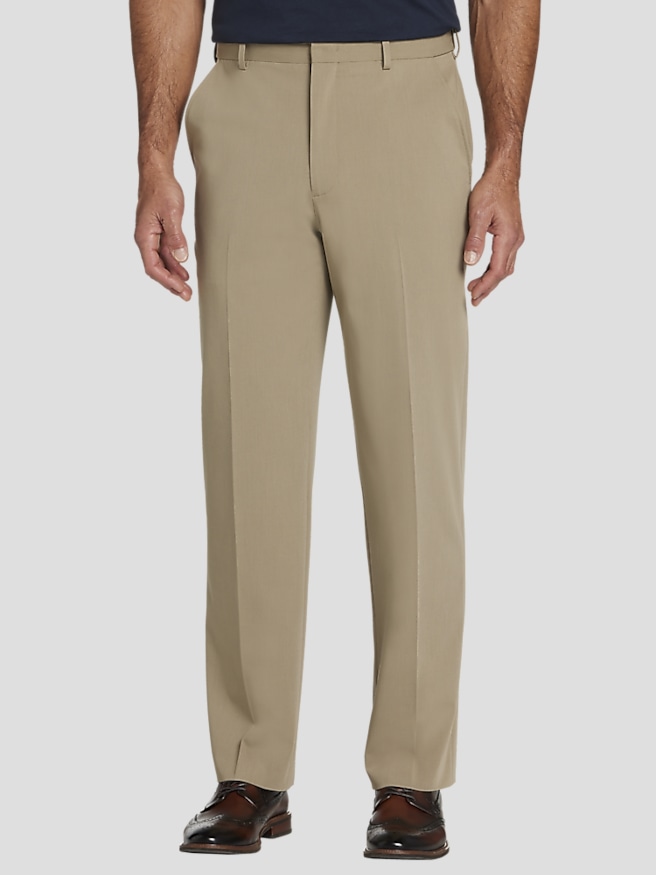
Plus-size wedding pants and suits bring tailored structure to an occasion filled with movement, from walking down the aisle to sitting through dinner and joining the dance floor. For grooms, groomsmen, fathers of the couple, and wedding guests, the right combination balances the invitation’s dress code with a comfortable, proportionate fit. A coordinated suit creates a consistent line through the jacket and trousers, while suit separates allow more flexibility when the chest, waist, and legs call for different sizes. Big and tall sizing can address fuller proportions, added height, or both, but those needs are not interchangeable: a taller frame may need extra sleeve and jacket length without additional width, while a broader build may benefit from more room through the chest, seat, and thighs. The most polished result comes from clothing that follows the body without pulling or appearing oversized. Navy, charcoal, and medium gray are versatile choices for many wedding settings, with the depth of color, fabric texture, and accessories influencing how formal the outfit feels. Black creates a crisp, traditional impression, though an invitation specifying black tie generally calls for a tuxedo rather than a standard black suit. A two-piece suit keeps the outfit straightforward; a coordinating vest adds another layer of definition and maintains a dressed-up appearance when the jacket comes off at the reception. For a wedding party, shared fabric and color create visual consistency without requiring every person to wear the same cut. Matching the level of formality matters more than forcing identical proportions across different builds. Plus-size wedding suits and dress pants are at their best when they feel like occasionwear made for the person wearing them, not simply a larger version of a smaller silhouette. There should be enough ease for a long embrace, a seated toast, and a full stride, with a clean outline in both candid pictures and formal portraits.
Fabric and construction give wedding tailoring much of its character. Wool suiting is valued for its drape, breathability, and ability to recover from light wrinkles, making it well suited to an outfit worn through a ceremony and reception. Wool blends can combine that tailored appearance with other performance qualities, depending on the fibers and weave. Fabrics containing a modest amount of stretch may offer additional ease when sitting or bending, although stretch does not replace the need for an appropriate size. A smooth, finely woven cloth reads differently from a visibly textured weave, even in the same color; the former often looks dressier, while the latter brings more surface detail to a relatively simple outfit. Lining, pocket construction, and neatly finished seams also contribute to comfort and durability. In plus-size wedding pants, the rise is particularly important because it determines where the waistband sits and how the trousers hang through the seat. A waistband that stays level without digging in provides a better foundation than one held tightly in place by a belt. Through the hips and thighs, sufficient room helps the fabric fall smoothly rather than catch or pull. Pleated fronts can provide ease through the upper leg, while flat fronts offer a cleaner, more understated appearance; either can look sharp when the proportions suit the wearer. A tapered leg need not feel restrictive, and a straighter leg need not look loose. The distinction is in how the cloth falls from the thigh to the shoe. Jacket fit deserves the same attention: shoulders should sit cleanly, the collar should rest against the shirt collar, and the buttoned front should not form pronounced pulling lines. Sleeve length and trouser hems are often finishing details that tailoring can refine, while major changes to shoulders or jacket balance are more involved. Checking the fit while seated is especially useful for wedding clothing, since an outfit that looks comfortable standing still must also work through dinner and the reception.
The finishing pieces should support the suit rather than compete with it. A dress shirt with adequate room at the neck, shoulders, and upper arms makes a meaningful difference over several hours, especially when a tie remains fastened for the ceremony and photographs. Tie width can relate to the jacket’s lapels, while a pocket square adds contrast without needing to match the tie exactly. For wedding-party dressing, a shared accent color can connect the group while allowing shirt fit, trouser rise, and jacket length to reflect individual needs. Shoes influence the final trouser length, so hems are best assessed with footwear similar to what will be worn at the celebration. A slight break gives the fabric a soft resting point over the shoe; a cleaner, shorter finish creates a sharper outline, provided the trousers still hang naturally. The same attention to fit carries into Formal Suits For Plus Size, making well-chosen wedding attire useful for other important occasions, too. Care helps preserve that versatility. Following the garment label is essential because cleaning requirements vary by fabric, lining, and construction. A shaped hanger supports the jacket between wears, while hanging trousers along their crease helps maintain their line. Emptying pockets prevents unnecessary distortion, and allowing the fabric to air after an event can reduce the need for frequent cleaning. Light brushing may remove surface dust from suitable suiting fabrics, while stains deserve prompt attention using the method recommended for the garment. Excessive heat can affect fibers and finishes, so pressing and steaming should follow the care instructions rather than a single rule for every suit. With considered care and room to move, plus-size wedding pants and suits can remain part of a polished wardrobe for anniversary dinners, milestone celebrations, and other occasions that call for thoughtful dressing.