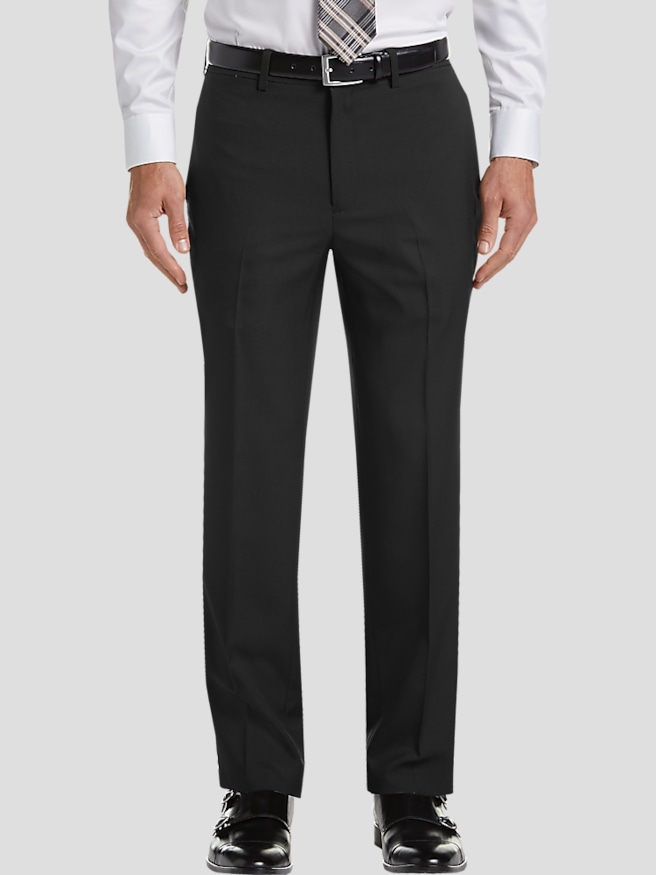
Wedding dress pants bring a clean, polished foundation to an outfit, whether the occasion calls for a coordinated suit or a thoughtfully paired jacket and trousers. For grooms, groomsmen, fathers of the couple, and guests, the right pair needs to look composed in photographs and feel comfortable through a full day of standing, sitting, greeting relatives, and dancing. Their defining details are familiar but important: a smooth waistband, a balanced silhouette, neatly finished hems, and fabric that falls cleanly rather than bunching at the knee or ankle. The invitation and venue help establish the level of formality. A ceremony in a grand ballroom generally calls for a more formal approach than an afternoon gathering in a garden, while a cocktail reception often suits tailored trousers with a sport coat and dress shirt. Black tie typically calls for a tuxedo with matching formal trousers, rather than ordinary dress pants substituted beneath a tuxedo jacket. For other dress codes, charcoal, navy, medium gray, and black offer versatile starting points, with lighter neutrals lending a softer appearance when the setting allows. For an outfit built around a dark, understated foundation, Black Pants For Wedding can complement crisp shirting and a carefully chosen jacket without competing with a patterned tie or boutonniere. Color coordination matters most when trousers are meant to look like part of a suit: fabric, weave, and shade should match, since two nearly identical dark fabrics can look noticeably mismatched in daylight or flash photography. When wearing separates, a deliberate contrast usually looks more confident than an approximate match. A navy jacket with gray trousers, for example, creates a clear distinction between the pieces. Across these combinations, wedding dress pants should support the outfit rather than draw attention through excessive shine, an overly tight cut, or hems that collect around the shoes.
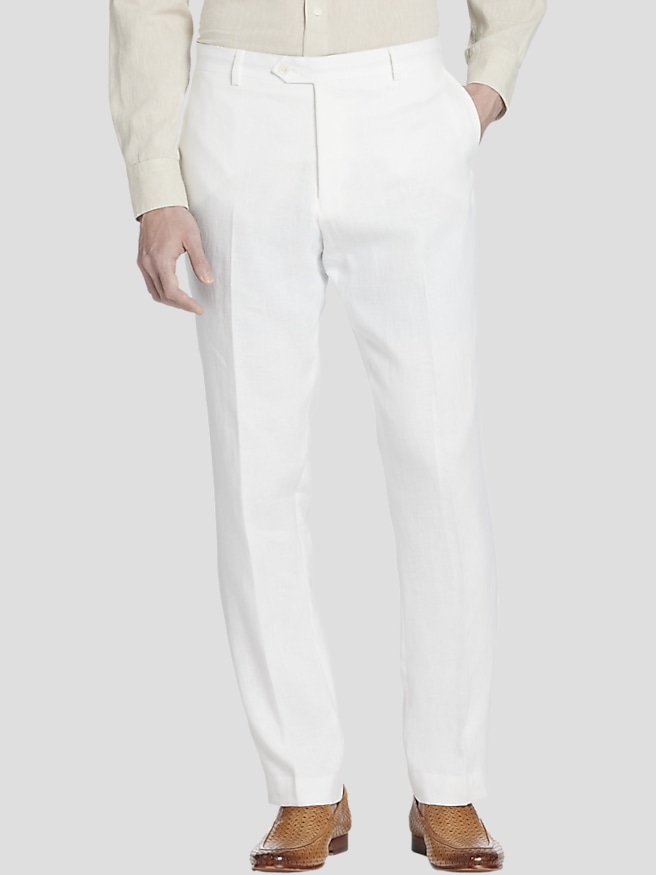
Fabric influences both the appearance of wedding trousers and how they feel as the celebration moves from ceremony to reception. Wool is a traditional choice because it drapes well, breathes, and can recover from minor creasing between wears. Fine worsted wool has a smooth surface that works especially well for dressier settings, while wool blends may add strength, stretch, or easier maintenance, depending on their composition. A small amount of elastane can provide welcome flexibility when sitting through dinner or stepping onto the dance floor, though stretch does not replace a proper fit. Polyester blends can resist wrinkles and withstand repeated wear, but their breathability and feel vary with the weave and fabric weight. Cotton offers a more matte, relaxed appearance that can work for less formal celebrations; linen brings airy texture but develops visible wrinkles as part of its character. During the cooler months, a somewhat more substantial cloth can feel appropriate outdoors without looking heavy indoors. Heated reception spaces still make breathability worth considering, particularly for anyone wearing a jacket throughout the evening. Fit begins at the waist and seat, where the trousers should sit securely without pinching, sagging, or forcing the pockets open. Slim cuts follow the leg more closely, while straight and classic cuts provide additional room; none should create strained horizontal lines across the hips or thighs. Pleated fronts can offer extra ease and complement a fuller silhouette, while flat fronts create a simpler line. The rise should allow comfortable movement and sit naturally beneath the shirt and jacket, with enough coverage to keep the shirt tucked when seated. At the hem, a slight break creates a traditional finish, while little or no break produces a sharper, more streamlined look. Trying trousers with the actual dress shoes intended for the occasion helps establish an accurate length. The fabric should fall cleanly over the shoe rather than stack above it, and the back hem should remain clear of the floor.
The smaller construction details become especially noticeable over a long wedding day. A stable waistband, secure closures, smooth pocket bags, and neatly finished seams help trousers maintain their shape and withstand repeated use. Lining can improve comfort and allow fabric to move more easily over the legs, although the amount of lining varies by design. Pockets should lie flat when empty, and keeping a bulky phone, wallet, or key ring out of them preserves the line of the trousers in photographs. Belt loops suit a coordinated dress belt, while side adjusters offer a cleaner waistline without one; suspenders are another option when the trousers have suitable attachments. Shoes influence the overall impression as much as the hem does, with polished oxfords supporting a formal outfit and refined loafers working for some more relaxed dress codes. For wedding parties, a consistent trouser color and similar level of tailoring create cohesion without requiring everyone to wear an identical cut. Each person still needs enough room to sit comfortably and move naturally. After the celebration, appropriate care helps preserve that fit and finish for future ceremonies, work events, and special dinners. The care label should determine whether trousers need professional cleaning or can be washed at home, since fibers, linings, and waistband construction may require distinct treatment. Airing them after wear, gently brushing away surface dust when suitable for the fabric, and hanging them neatly can reduce unnecessary cleaning. A trouser hanger helps prevent a heap of wrinkles between occasions, while careful pressing at the recommended temperature can restore a crease without leaving shiny marks. Stains deserve prompt attention according to the care instructions rather than vigorous rubbing. For travel, folding trousers along their existing crease and unpacking them soon after arrival can limit deep wrinkles. With thoughtful tailoring and routine care, wedding dress pants can remain a useful part of a dress wardrobe well beyond the final toast.