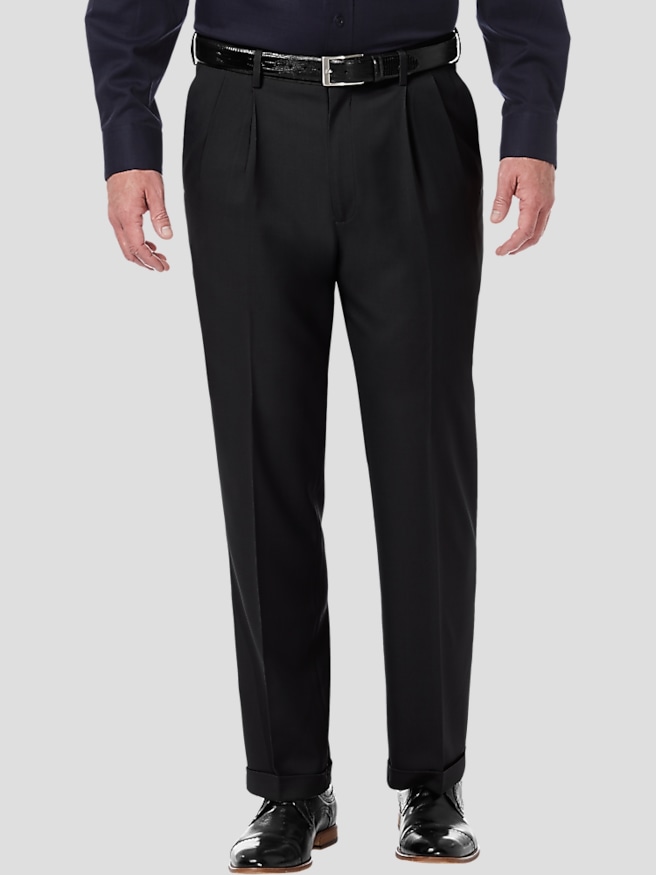
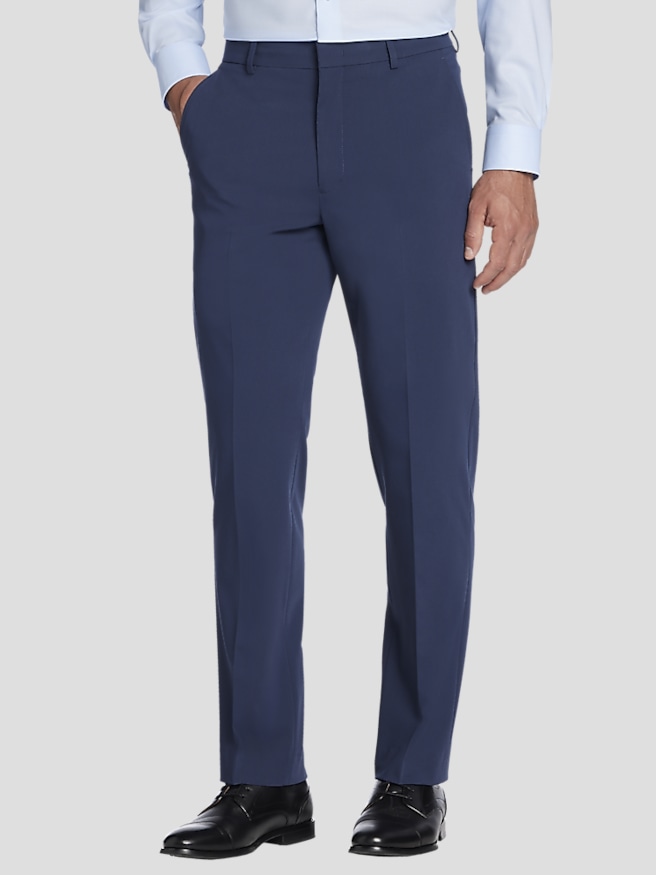
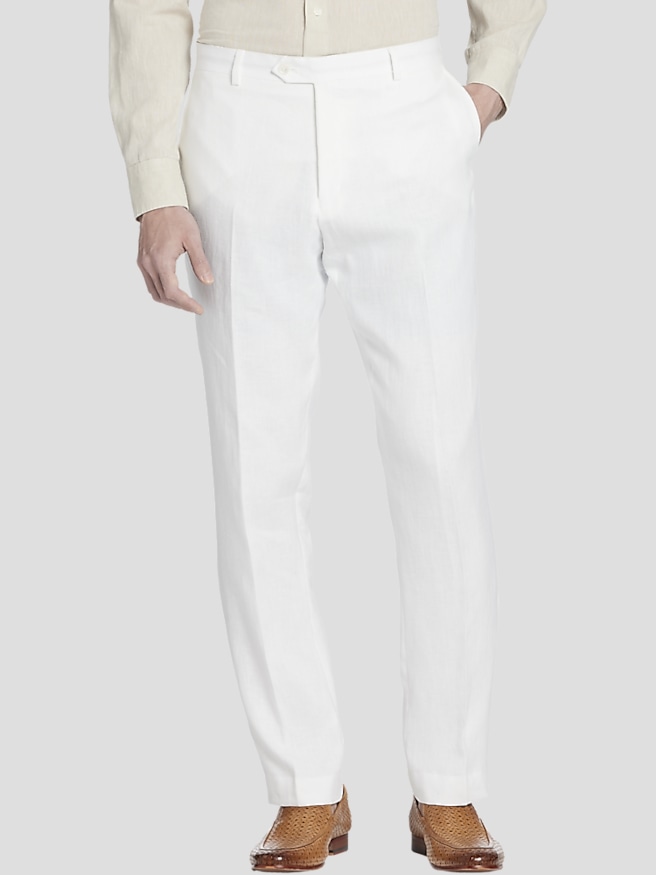
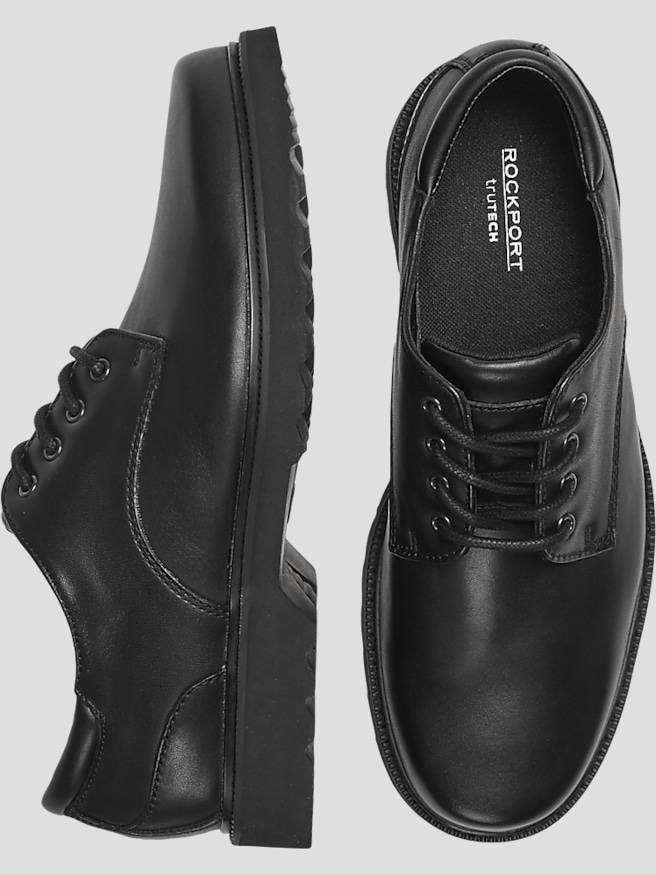
Black pants for a wedding bring a clean, tailored foundation to outfits for grooms, groomsmen, wedding guests, and fathers of the couple. Their understated color works with a white dress shirt, a coordinated jacket, and polished shoes, leaving room for a tie, pocket square, or boutonniere to add personality. The distinction between black dress pants, suit pants, and tuxedo pants matters more than color alone. Dress pants are separate trousers that can pair with a sport coat when the invitation permits; suit pants are intended to coordinate with a jacket in the same fabric and shade. Tuxedo pants belong with a tuxedo jacket and often feature a satin or grosgrain stripe along the outer leg, echoing the jacket’s lapel facing. For a black-tie wedding, a complete tuxedo is the appropriate choice rather than ordinary black trousers dressed up with a bow tie. Formal and black-tie-optional celebrations may accommodate a dark suit, while cocktail attire generally calls for a suit or an appropriately tailored jacket-and-trouser combination. The invitation and the couple’s preferences remain the clearest signals, especially when the wedding party has a coordinated look. Within those expectations, black offers a versatile backdrop for both restrained and expressive styling. A groom might favor an uninterrupted line from jacket to shoes, while a guest at a less formal reception could wear black dress trousers with a textured gray jacket. Matching black separates deserves close attention: two fabrics that look alike on a hanger can reveal distinct undertones or surface finishes when worn together. A true matching suit avoids that near-match effect. For celebrations with a light-colored dress direction, White Wedding Pants provide a contrasting option, subject to the couple’s attire requests. Black remains especially useful when the goal is a composed, unobtrusive outfit that looks appropriate during the ceremony, in group portraits, and throughout the reception.
Fabric and construction shape how black wedding pants look and feel over a full day of standing, sitting, and moving. Wool is a traditional choice for tailored trousers because it can hold a crisp crease, drape smoothly, and recover from some everyday wrinkling. Fine worsted wool tends to have a refined surface suited to dressier settings, while wool blends can combine that tailored appearance with other performance characteristics. A modest amount of stretch may make sitting through the ceremony or stepping onto the dance floor more comfortable, though stretch does not replace a proper fit. Synthetic blends vary considerably in feel and finish; a soft hand, fluid drape, and restrained sheen usually read as more formal than a stiff or noticeably glossy surface. Cotton twill can suit a relaxed celebration, but it generally lacks the flowing line associated with dressier wool trousers. Fabric weight also affects silhouette: a cloth with enough substance can fall neatly over the leg instead of clinging or showing every pocket edge. A smooth lining, where present, can help trousers move easily, while neat stitching and secure closures support repeated wear. Flat-front styles create a streamlined appearance, and pleated fronts can provide additional room through the upper leg without looking oversized when the rest of the cut is balanced. Slim-fit pants sit closer through the seat and thigh and typically narrow toward the ankle; straight and classic fits offer more space and a less tapered profile. The best choice follows the wearer’s proportions rather than forcing a particular silhouette. At the waist, trousers should stay comfortably in place without a belt cinched tightly enough to gather the fabric. Across the seat and thighs, the cloth should lie smoothly instead of pulling into horizontal lines. A comfortable rise matters, too: pants that feel fine while standing may press or tug when seated, making a brief sit-down test valuable before a long celebration.
The finishing details of black wedding trousers are small, but they are visible when the whole outfit comes together. Hem length sets the line above the shoes: a slight break creates a traditional finish, while little or no break gives a cleaner, more contemporary outline. Excess fabric pooling at the ankle can interrupt an otherwise sharp silhouette, and an overly short hem may expose more sock than intended when walking. Trying pants on with the actual wedding shoes makes it easier to judge the length and the width of the leg opening together. Any alterations should preserve enough room to sit, climb steps, and move naturally; a narrow fit that restricts movement is unlikely to stay comfortable through dinner and dancing. Pocket contents affect the finish as well. A bulky phone or overfilled wallet can pull a smooth trouser front out of shape, so keeping essentials light helps maintain a clean line in photographs. With black suit pants, polished black leather dress shoes offer a straightforward pairing, and dark dress socks maintain continuity when seated. Tuxedo trousers often use side adjusters or suspender buttons rather than belt loops, supporting a clean waist beneath the jacket and any appropriate formal waist covering. Beyond the wedding, black dress pants and suit trousers can serve at other celebrations, business functions, and dressy dinners, while tuxedo pants remain tied to formal evening attire. Thoughtful care supports that longer use. The garment’s care label should govern cleaning, since washable blends and dry-clean-only fabrics require distinct treatment. After wearing, emptying the pockets, brushing away surface lint with a fabric-appropriate brush, and hanging trousers neatly can help preserve their appearance. Prompt attention to spills is important, but rubbing or applying an untested cleaner can spread a mark or affect the finish. Professional pressing or fabric-appropriate steaming can refresh the line; excessive heat or direct ironing may leave shine on dark cloth. Well-fitted, properly cared-for black wedding pants offer a dependable foundation for an outfit that feels considered without distracting from the occasion.