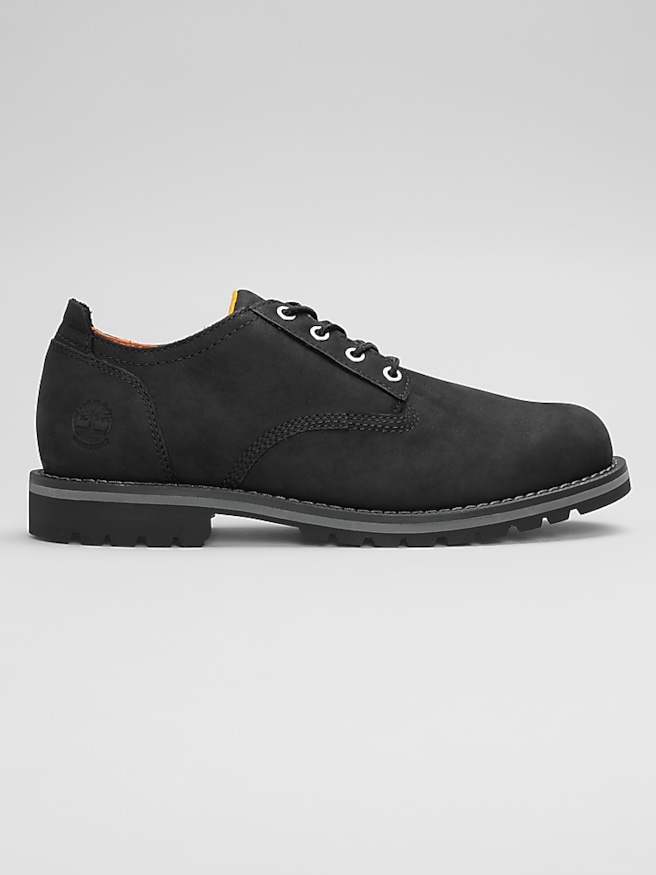
Waterproof lace-up shoes combine protection against wet conditions with an adjustable fit, making them a practical choice for commutes, everyday errands, travel, and time spent walking outdoors. Their defining feature is construction designed to help prevent water from reaching the foot, rather than simply encouraging droplets to roll off the surface. That protection may come from a waterproof membrane, sealed seams, treated uppers, or a combination of features, so the construction details matter as much as the appearance. Leather can bring a clean, structured look that works with chinos and many business-casual outfits, while synthetic and textile uppers can offer flexibility and a more relaxed appearance. Neither material alone guarantees waterproof performance; the way the upper, seams, tongue, and sole come together determines how effectively a shoe keeps moisture out. A gusseted tongue, which connects to the upper along its sides, can help limit water entry around the laces. Even with that construction, water can enter over the collar, making shoe height and intended use important considerations. For someone walking from a parking garage to an office or crossing wet sidewalks between appointments, a streamlined silhouette can provide practical protection without looking out of place indoors. For longer walks on uneven paths, a more substantial outsole and supportive upper may be a better match. The goal is footwear suited to the actual day ahead, not simply the most rugged-looking design. Dark brown and black uppers tend to coordinate easily with everyday wardrobes, while understated stitching and low-profile soles keep the overall look versatile. Waterproof performance also differs from water resistance: water-resistant footwear generally handles limited exposure, while waterproof construction is designed for more sustained protection within the limits specified for the shoe. For lighter exposure, Water Resistant Shoes for Everyday Wear can be an alternative, particularly when occasional splashes are a greater concern than prolonged contact with wet surfaces.
Comfort in waterproof lace-up shoes depends on the relationship between the upper, the footbed, the sole, and the shape of the foot. Laces allow the fit to be adjusted across the instep, which is helpful when one foot needs slightly more room or when socks vary in thickness. A secure fit should hold the heel without forcing the toes against the front or squeezing the widest part of the foot. Enough space for the toes to move naturally is especially valuable during a long day of standing, walking, or moving between buildings. Trying footwear with the type of socks intended for regular wear gives a more useful sense of fit than relying on size alone, since interior volume and shape vary between designs. Waterproof membranes and linings can also influence how the interior feels, and waterproof does not automatically mean highly breathable. Some constructions allow moisture vapor to escape more readily than others, but sustained activity can still leave feet feeling warm or damp from perspiration. Moisture-managing socks and a comfortable lining can help support everyday wear. Underfoot, cushioning helps soften repeated contact with hard sidewalks, while a stable platform can make extended standing feel more manageable. More cushioning is not always better; a footbed that feels supportive without allowing excessive movement is often more comfortable over several hours. Outsole design deserves equal attention. Rubber compounds, tread depth, and the arrangement of grooves all affect how a shoe interacts with the ground. Channels may help move water away from the contact surface, while deeper lugs can be useful on loose terrain. A smoother, lower-profile tread may feel more natural indoors and look better with tailored casual clothing. Waterproofing and traction are separate characteristics, however, and no outsole should be assumed to prevent slipping on every wet surface. Painted crosswalks, polished entryways, oily pavement, and ice each present distinct challenges. Matching the sole to the places the shoes will be worn is more meaningful than judging grip by an aggressive tread pattern alone.
Durability comes from both thoughtful construction and care suited to the materials. Waterproof lace-up shoes used for daily commuting face repeated flexing at the forefoot, abrasion near the toe, and moisture around the sole edge, so reinforced stress points and a sound connection between the upper and outsole can make a meaningful difference. Leather may develop creases and character with wear, while textile panels can flex easily but need attention where dirt collects in the weave. Surface scuffs do not necessarily mean waterproof protection has failed, just as an unmarked upper does not confirm that every seam remains sealed. Regularly clearing away grit helps reduce abrasion, and removing mud before it dries into seams makes cleanup easier. Care instructions should determine which cleaners, conditioners, or protective treatments are appropriate, especially when a waterproof membrane or specialized finish is involved. A treatment intended for one leather finish may darken another, and heavy coatings can affect the appearance or performance of some materials. After a wet outing, loosening the laces and allowing shoes to dry naturally in a ventilated space helps moisture escape. Direct heat from a radiator, hair dryer, or similar source can damage leather, adhesives, and other components. Removable footbeds, when present, can be taken out to dry separately according to the care directions. Rotating between pairs also gives interiors more time to dry between wears. These habits are particularly useful for commuters, travelers, teachers, and anyone whose day includes repeated transitions between indoor floors and outdoor walkways. Waterproof lace-up shoes can also make a thoughtful gift for a graduate starting an office job, a parent who walks frequently, or someone building a practical everyday wardrobe, provided the fit and preferred style are known. Their appeal lies in the balance: protection that suits the conditions, comfort that lasts beyond the first few steps, and an appearance that works with the clothes already in regular rotation. A well-matched pair earns its place through repeated use, whether the day involves a train platform, a client visit, or a long walk back to the car.