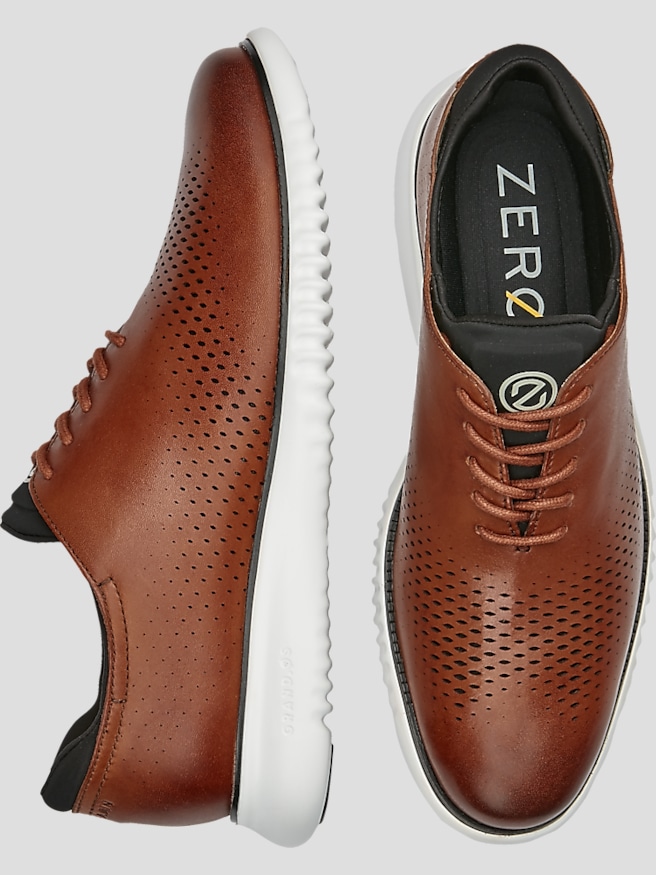
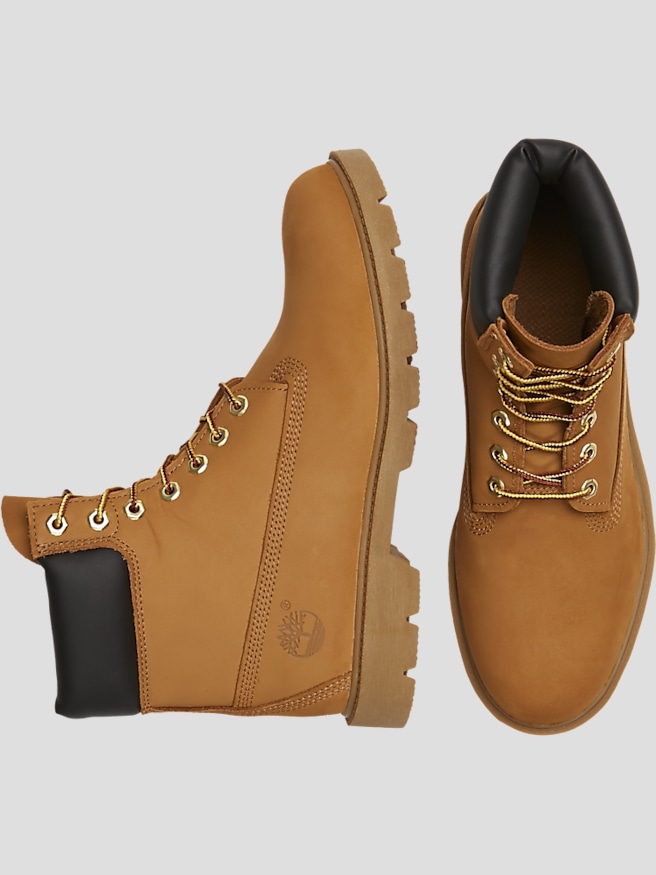
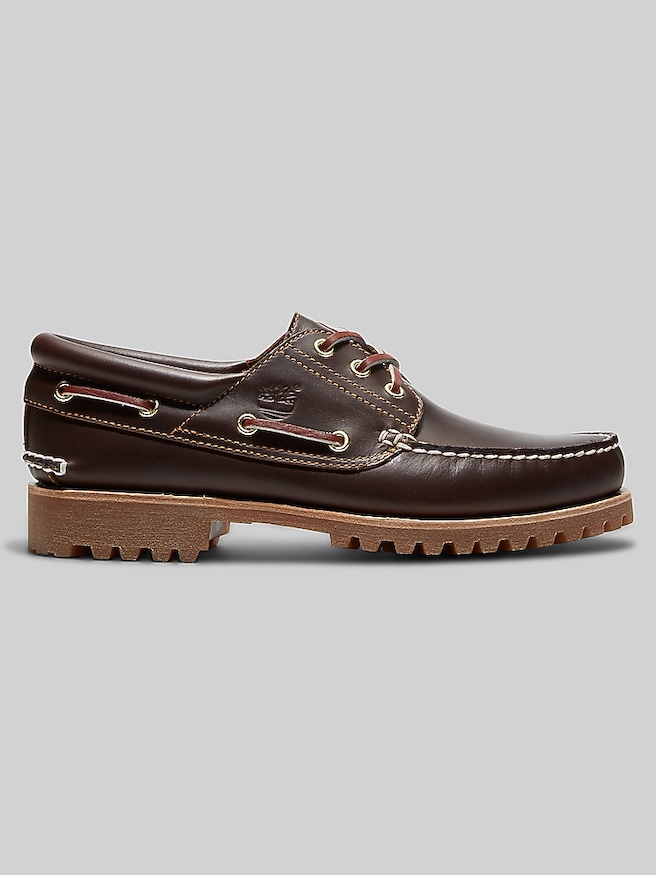
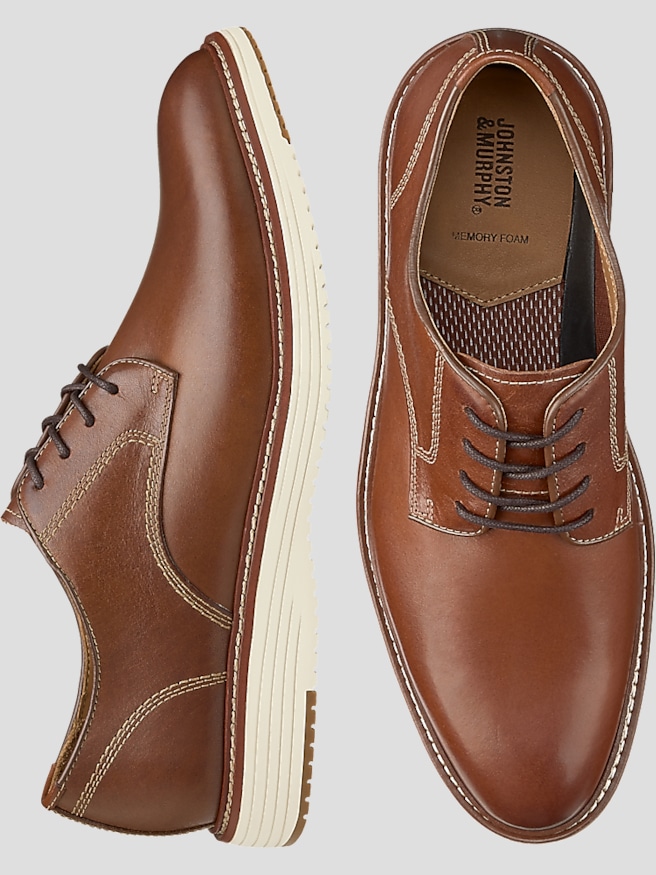
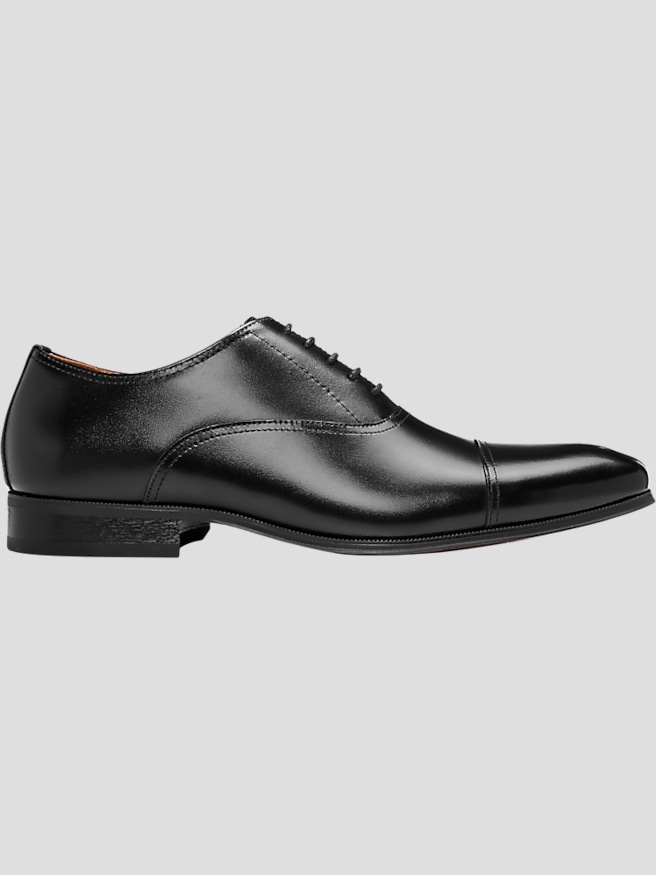
Water-resistant shoes for everyday wear bring a practical layer of protection to the routes that fill an ordinary day: the walk from a parking garage to the office, a quick trip across a damp sidewalk, or an evening commute interrupted by light rain. Their appeal is straightforward—footwear that looks at home with everyday clothing while helping limit moisture from light exposure. Water resistance can come from treated uppers, naturally moisture-resistant materials, protective finishes, or a combination of construction details. Smooth leather offers a polished appearance that works well with tailored trousers, while synthetic uppers can provide a streamlined look with relatively simple surface cleaning. Textile styles may feel lighter and more flexible, although their ability to resist moisture depends on the fabric, treatment, and overall construction. Suede and nubuck need particular attention because their textured surfaces can show water marks and may require specialized protection. Material alone does not tell the whole story: seams, tongue construction, and the connection between the upper and sole also affect how moisture reaches the inside. Water-resistant does not mean waterproof, and these shoes are generally better suited to occasional splashes and brief encounters with wet surfaces than standing water or prolonged heavy rain. For everyday use, that distinction helps set sensible expectations without overlooking the convenience of a little extra protection. A clean-lined silhouette can move easily between an office dress code and a relaxed dinner, making weather-minded details feel like part of a regular wardrobe rather than specialized equipment. Underfoot construction matters just as much as the upper. Rubber outsoles and well-defined tread may support traction, but grip varies with the sole compound, tread pattern, wear, and walking surface. Wet tile, polished entryways, and painted pavement still call for care. The most useful everyday pair balances an appropriate level of moisture protection with the flexibility, cushioning, and appearance that make it comfortable to wear long after the sidewalk dries.
Fit determines whether those practical features translate into shoes that feel good through a full schedule. A secure heel, enough room for the toes to move naturally, and a comfortable hold across the middle of the foot help keep each step controlled without creating pressure. Lace-up construction allows small adjustments across the instep, which can be useful when switching between thinner dress socks and more substantial everyday socks. Slip-on shapes offer a simpler routine, but the fit needs to be secure enough that the heel does not lift excessively while walking. Trying shoes with the socks normally worn with them gives a more realistic sense of the space inside, especially around the toes and across the widest part of the foot. Feet can swell over the course of a day, so a fit that feels barely comfortable at the start may become restrictive after hours of standing or walking. A padded collar can soften contact around the ankle, while a cushioned footbed may make hard floors more comfortable; neither should be expected to compensate for the wrong size or shape. Anyone who uses an orthotic should account for its depth and confirm whether the existing footbed can be removed. Everyday styling leaves plenty of room for personal preference. A dark, understated upper pairs naturally with wool trousers and a button-down shirt, while a more casual profile works with chinos, denim, and knitwear. Subtle stitching and a restrained sole shape tend to suit settings where athletic footwear feels too relaxed. More pronounced tread may make sense for a walking-heavy commute, provided the overall design still fits the destination. These shoes can be a thoughtful gift for someone who travels between appointments, walks to public transportation, or appreciates clothing with a practical purpose. Because comfort is personal, knowing the recipient’s usual size, preferred width, and favored footwear shape is more valuable than guessing from appearance alone. The goal is a pair that earns repeat wear through both comfort and versatility.
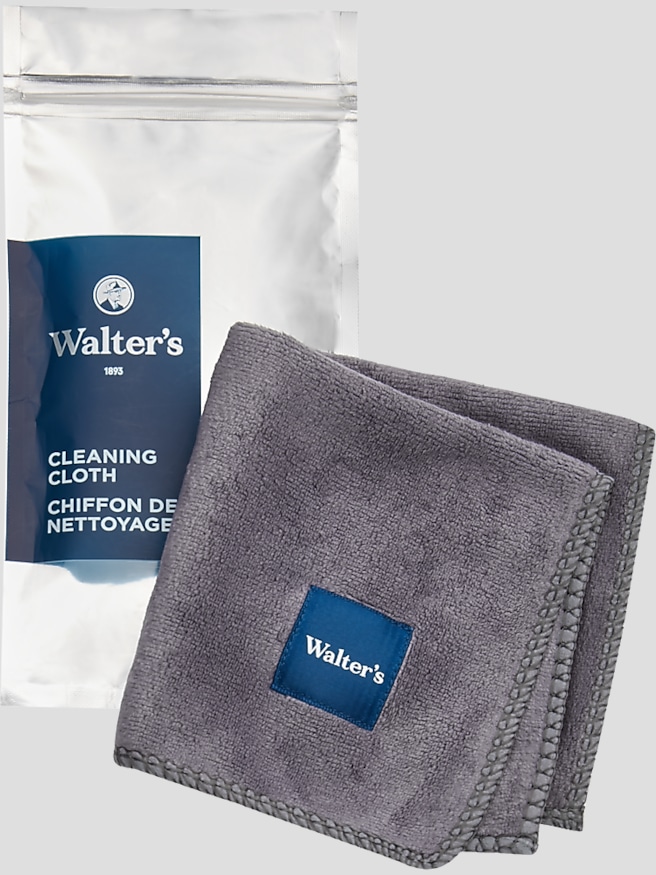
Care helps preserve that versatility, particularly when footwear repeatedly encounters damp pavement, grit, and the residue tracked into building entrances. Surface dirt is easier to remove before it settles into creases or collects along the sole edge, but the right cleaning method depends on the upper. Smooth leather often benefits from a soft cloth and an appropriate leather cleaner, followed by conditioning when recommended to help maintain suppleness. Suede and nubuck usually call for a dedicated brush and products made for their finish rather than the same treatment used on polished leather. Textile and synthetic uppers have their own care requirements, and machine washing should never be assumed safe. Manufacturer instructions are the best starting point for choosing cleaners, conditioners, and protective treatments. A water-repellent finish can lose effectiveness with wear, and compatible treatments may help restore surface repellency without making a shoe fully waterproof. Testing a care product on an inconspicuous area can reveal unwanted color changes before treating the entire upper. After a damp outing, allowing shoes to dry at room temperature away from radiators and other direct heat helps protect materials and adhesives. Loosening the laces and removing removable insoles can encourage airflow, while alternating pairs gives the interior more time to dry between outings. Cedar shoe trees can help leather footwear retain its shape once excess moisture has been addressed. Durability also depends on ordinary wear points: thinning tread, separated sole edges, damaged stitching, and compressed cushioning can affect how a shoe performs even when the upper still looks presentable. For routes that regularly involve longer exposure to rain, Waterproof Lace Up Shoes offer a related category worth considering, with the stated construction and intended use of each style providing the clearest basis for comparison. Water-resistant everyday footwear fills a more moderate need: practical protection for incidental moisture, an appearance that fits familiar outfits, and comfort suited to the places a normal day leads. Matching those expectations to the material, fit, and care requirements helps make a pair a dependable part of a regular wardrobe.