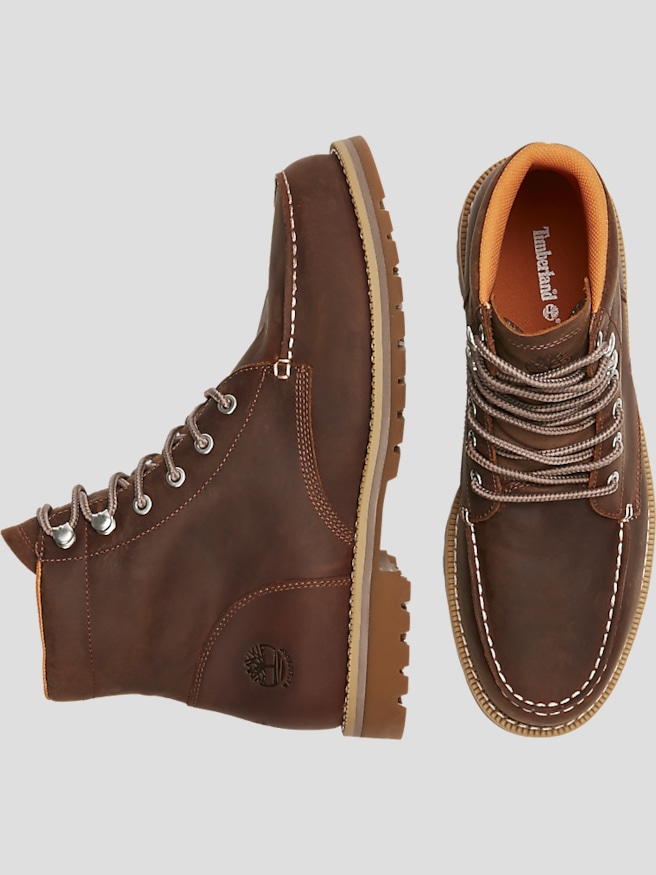
Water-resistant boots help repel light rain, splashes, and brief contact with damp ground, making them a practical choice for commuting, errands, and everyday wear in unsettled conditions. They are not the same as waterproof boots: water resistance offers limited protection, while waterproof construction is designed to keep water out under the conditions specified by the manufacturer. That distinction matters when a walk from the parking lot turns into a longer stretch on wet sidewalks. Protection depends on the upper material, seams, tongue construction, and the connection between the upper and sole—not simply on how rugged a boot looks. Leather can provide a sturdy, polished exterior, and suitable protective treatments can help moisture bead on its surface. Synthetic uppers and textile panels may offer lighter weight or added flexibility, with water resistance depending on their finish and construction. Suede and nubuck bring a softer texture to casual outfits, but their appearance and performance benefit from care products made specifically for those materials. A gusseted tongue can help limit water and debris entering around the laces, though it does not make the entire boot waterproof. For someone moving between an office, a train platform, and a neighborhood restaurant, the appeal is footwear that balances a finished appearance with a useful degree of weather protection. Smooth uppers and restrained stitching work naturally with chinos or wool trousers, while textured leather and more substantial soles pair comfortably with denim. Water-resistant boots can handle the occasional splash without requiring an overtly outdoors-oriented look. Their limits remain important, however: prolonged downpours, deep puddles, and standing water can exceed their protection. Water resistance also says nothing on its own about insulation. A boot suited to a damp sidewalk may not provide the warmth needed for extended time outside in freezing conditions, so the intended setting matters as much as the finish.
Fit and underfoot comfort shape how useful water-resistant boots become over a full day. The right fit leaves room for the toes to move without allowing the foot to slide forward, and the heel should feel supported rather than lifting markedly with each step. Fit is best assessed with the type of socks intended for regular wear, since thicker socks can change the space available across the toes and instep. A snug fit is not a reliable shortcut to support; pressure across the forefoot or over the top of the foot can become distracting on a long commute. Leather may soften with wear, but a boot that feels painfully tight should not be expected to develop the right length or width. Lace-up construction allows adjustment across the instep and ankle, while pull-on designs rely more heavily on the shape of the last, the shaft opening, and any elastic panels. Neither approach is automatically more protective against moisture. Inside, cushioning can soften repeated steps on pavement, and a stable footbed can make standing feel more comfortable. A removable footbed may also accommodate an appropriate insert, provided it does not crowd the foot or change the fit. Outsole design deserves equal attention. Rubber compounds, tread depth, and the spacing between lugs influence grip, but a chunky sole alone does not establish slip resistance. Wet tile near an entrance presents a different challenge from loose gravel, and no everyday boot should be assumed to provide dependable traction on ice. For a workplace with specific hazards, documented safety features and employer requirements take priority over appearance. For ordinary daily use, the most versatile balance is often a sole that feels steady underfoot without adding unnecessary bulk. The shaft should also sit comfortably beneath a trouser hem, especially when walking, climbing stairs, or sitting for long stretches. A clean-lined silhouette can move easily from a desk to dinner, while a roomier, more rugged shape suits relaxed clothing and days spent mostly on foot.
Durability comes from how the materials and construction work together, along with the attention the boots receive between wears. Reinforced stress points, secure stitching, and a well-attached outsole contribute to lasting wear, but surface scuffs and worn finishes can still develop through ordinary use. Leather naturally gains creases as it flexes; deep cracking, separating seams, or a sole pulling away from the upper are different concerns. When comparing Mens Weather Resistant Boots, consider both the conditions they will encounter and the level of upkeep that fits into daily life. Smooth leather generally calls for different care than suede, nubuck, or textile materials, and a treatment intended for one surface may discolor or damage another. Manufacturer care instructions provide the best starting point. After a wet outing, removing loose dirt and allowing boots to dry naturally in a ventilated space helps protect their shape and finish. Direct heat from a radiator, fireplace, or hair dryer can damage some materials and adhesives. Removable insoles can be taken out to dry when the care instructions permit, and suitable boot trees can help maintain shape between wears. Water-repellent finishes may need renewal over time, but applying a compatible treatment does not turn a water-resistant boot into a waterproof one. Mud and grit deserve attention, too, because buildup can obscure tread and rub against the upper. For frequent wear, giving footwear time to dry between outings can make the next day more comfortable. These practical details also make water-resistant boots a thoughtful gift for a commuter, frequent traveler, or someone who walks to everyday destinations. The strongest choice reflects the recipient’s actual routine: a streamlined profile for tailored casual clothing, enough toe room for preferred socks, and a manageable weight for long stretches on foot. Familiarity with the recipient’s fit is especially valuable, since size alone does not capture differences in width, instep height, or boot shape. Ultimately, useful weather protection works best alongside dependable comfort and a style that feels natural to wear.