Wallets for men bring everyday essentials into one compact place, with styles that balance storage, pocket comfort, and personal taste. A traditional bifold opens flat to reveal card slots and a section for bills, making it a familiar choice for someone who carries cash, identification, and several payment cards. A trifold folds into three sections and can offer more organization within a smaller footprint, though its layered construction usually creates a thicker profile. Slim wallets and card holders reduce that bulk by focusing on a smaller set of essentials, while money clips keep folded bills accessible without a full bill compartment. Some designs combine card storage with a cash clip, providing a middle ground between a conventional wallet and a minimalist carry. The right shape depends less on how much a wallet can hold than on what actually goes into it each day. A driver’s license, two payment cards, and a transit pass call for a different layout than a collection of business cards, receipts, and cash. Exterior card slots can make a frequently used pass easier to reach; an interior slot offers a more enclosed place for identification. An ID window is useful when identification needs to stay visible, although the card may still need to be removed when requested. Dimensions matter as much as the number of compartments. A wallet that feels unobtrusive in relaxed jeans may create a noticeable outline in tailored trousers, particularly when every slot is filled. Front-pocket styles generally favor a narrow, flatter shape, while a larger bifold may suit a jacket pocket or a bag. For someone who moves between office attire and casual clothing, a streamlined profile can make that transition easier. During a commute, at a checkout counter, or when paying for lunch, a well-organized wallet keeps the necessary card within reach without a lengthy search. Secure slots, an accessible bill section, and a fold that closes comfortably are practical details that make everyday use feel straightforward.
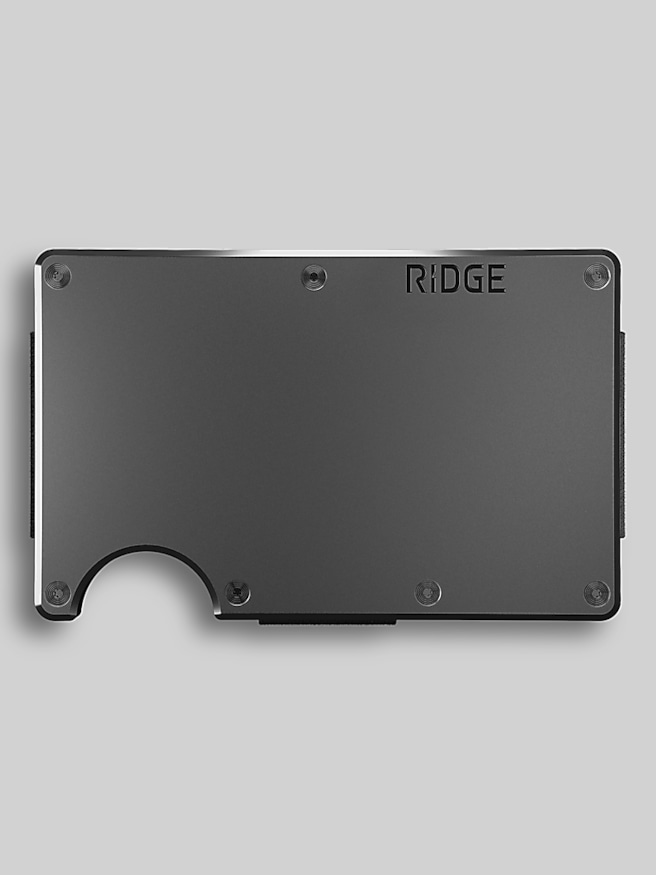
Material and construction influence both the appearance of a wallet and the way it wears over time. The appeal of Men's Leather Wallets includes their texture, flexibility, and ability to develop character through regular handling. Full-grain leather retains the hide’s original surface and can show natural markings, while top-grain leather has typically undergone surface refinement for a more uniform finish. Smooth leather gives a clean, understated appearance; pebbled textures can make small surface marks less conspicuous. Neither texture alone determines durability, since leather quality, thickness, stitching, and edge finishing all contribute to the finished construction. A supple wallet should still have enough structure to keep its compartments organized, with seams that remain neat around areas that bend repeatedly. Reinforced corners and carefully finished edges help address the points that receive frequent friction from pockets and handling. Fabric wallets offer another approach, often emphasizing light weight and flexibility, while metal card holders provide a firmer structure with a distinctly modern appearance. Metal surfaces can develop scratches, and fabric care depends on the particular weave, coating, and lining. Leather benefits from gentle treatment: surface dust can be removed with a soft cloth, and cleaning or conditioning should follow the maker’s recommendations. Excess moisture, harsh cleaners, and direct heat can damage leather or alter its finish. If a wallet becomes damp, allowing it to dry naturally away from a heat source is generally preferable to trying to speed up the process. Overfilling also affects longevity, stretching card slots and placing extra stress on seams and folds. Removing old receipts and unused cards helps preserve the intended shape. RFID-blocking construction is another feature associated with some wallets. It is designed to interfere with compatible contactless radio signals while cards are enclosed, but it does not protect against every form of payment fraud or replace normal account security. Alongside that feature, everyday usability still depends on details such as how easily cards slide out, how securely they stay in place, and whether bills fit without awkward folding.
A men’s wallet is also a personal accessory, even when it spends most of the day out of sight. Black leather creates a restrained look that works comfortably with business clothing and formal attire, while brown shades bring warmth and pair naturally with many casual accessories. Matching a wallet exactly to shoes or a belt is not necessary; a similar level of formality and a compatible finish are usually enough to create a cohesive impression. Visible stitching, a textured surface, or a contrasting interior can add personality without making the exterior overly busy. Someone who prefers a clean desk, a small bag, and only a few daily essentials may appreciate the simplicity of a slim card holder. Someone who regularly uses cash or keeps several forms of identification close at hand may find a bifold or trifold more practical. Intended use can change throughout the day, too. A compact wallet slips more discreetly into dress pants for a dinner or celebration, while a more compartmentalized design can keep daily work essentials separated. For travel, a secure place for identification and a manageable bill compartment are useful, but an everyday wallet is not necessarily sized to hold a passport. Keeping only necessary cards inside can make it easier to find them and reduce unnecessary bulk. As a gift, a wallet combines personal style with frequent use, making it a thoughtful choice for a birthday, graduation, anniversary, or career milestone. A father, partner, brother, friend, or recent graduate may value a design that reflects familiar habits rather than one that simply has the most features. The most useful clues are often visible in an existing wallet: a stretched fold may suggest that more space is needed, while a thick stack of unused cards may point toward a simpler layout. Color preferences and pocket habits offer equally practical direction. A wallet that feels comfortable in the hand, fits the usual pocket, and keeps essentials organized can become a dependable part of getting dressed and heading out each day.