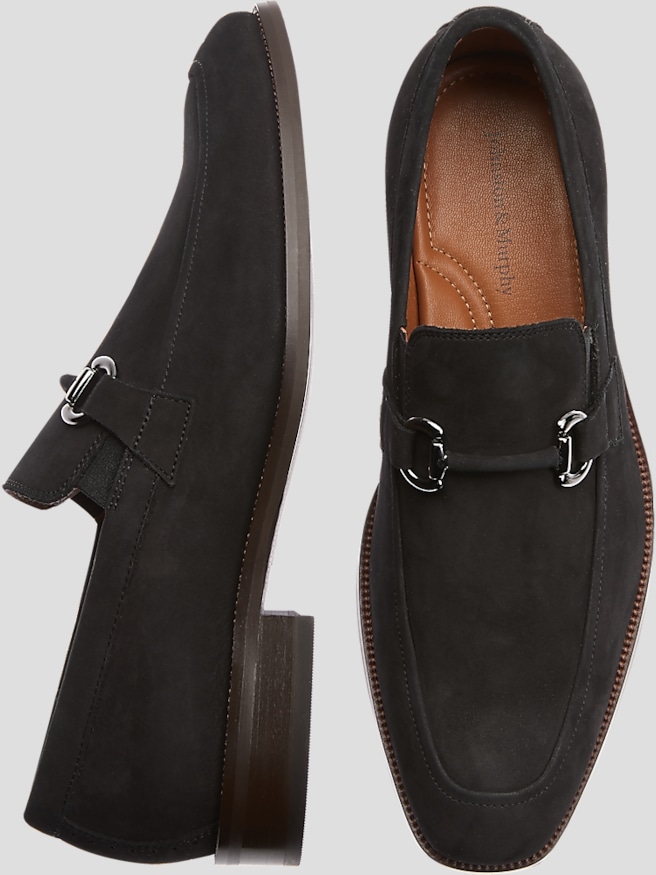
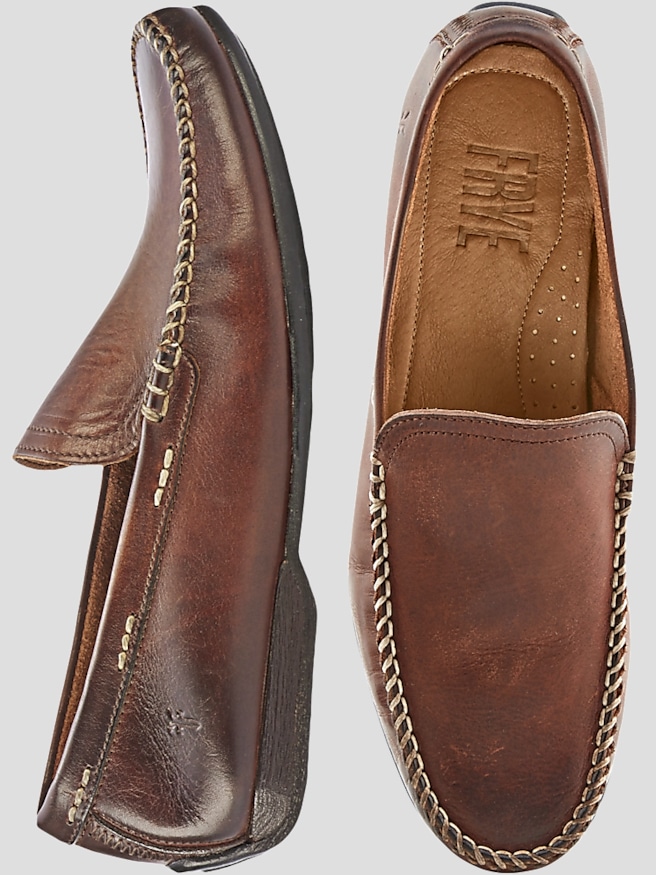
Walking loafers bring the clean appearance of a slip-on shoe to everyday routines that involve time on foot. Their appeal lies in the balance: a streamlined upper that looks at home with tailored trousers, paired with construction that can make the walk between destinations more comfortable. Unlike loafers chosen mainly for dress occasions, styles intended for walking place greater emphasis on secure fit, underfoot cushioning, sole flexibility, and traction. Those details matter during a commute with several blocks between the station and the office, an afternoon exploring a new neighborhood, or a workday spent moving between desks and meeting rooms. A cushioned footbed can soften the feeling of repeated steps, while a shaped heel cup and contoured arch area may help the foot feel more supported. Softness alone, however, does not tell the whole story. A shoe that feels plush for a moment may not provide the stable platform needed for longer stretches of walking, and support preferences vary with foot shape and activity. A useful balance is cushioning that feels comfortable without excessive sinking, a heel that stays seated, and a forefoot that bends naturally as the toes push off. The slip-on design keeps the silhouette uncluttered, making walking loafers easy to pair with chinos, dark denim, or relaxed tailoring. Smooth leather gives the look a sharper edge, while suede adds a softer texture beside corduroy, wool trousers, and knitwear during the cooler months. For those drawn to a particularly understated upper, Plain Loafers offer a related style direction with minimal visual detail. Walking loafers suit people who prefer something more polished than an athletic shoe for ordinary errands, casual office settings, and travel days with moderate walking. They are not substitutes for hiking footwear, running shoes, or footwear designed for slippery winter conditions; their strength is everyday versatility on familiar streets and indoor surfaces.
Materials and construction shape how walking loafers feel at the first step and how they hold up over repeated wear. Leather uppers can gradually conform to the foot, though their weight, finish, and initial suppleness vary. Suede has a soft, textured appearance but calls for extra attention around rain, slush, and road salt. Textile and synthetic uppers can offer lighter weight or easier surface cleaning, depending on their construction; neither category guarantees breathability or weather resistance on its own. The lining deserves equal attention because it sits against the foot through hours of movement. Smooth interior seams, a comfortable heel lining, and moisture-managing materials can make a noticeable difference when a short walk turns into an afternoon out. Underneath, rubber outsoles often provide useful grip and resilience, while foam components can reduce weight and add cushioning. Actual traction depends on the sole compound, tread pattern, surface, and weather, so a substantial-looking bottom should not be mistaken for dependable grip on ice. Flexibility is most useful near the ball of the foot, where the shoe bends during a stride; a sole that folds easily everywhere is not necessarily more comfortable or supportive. Fit is especially important because loafers have no laces to fine-tune the hold. The heel should feel secure without rubbing, the widest part of the foot should sit comfortably within the shoe, and the toes should have room without being pushed against the front. Pressure across the instep, pinching at the little toe, or pronounced heel lifting can indicate a mismatch in size, width, or shape. Leather may soften with wear, but a painful fit should not be treated as a necessary break-in stage. Trying loafers with the socks intended for regular use gives a more realistic sense of fit, particularly when switching between lightweight socks and thicker pairs for cooler days. Anyone who wears an orthotic also needs sufficient interior space and, where appropriate, a removable footbed rather than assuming an insert will fit comfortably.
The most useful walking loafers fit naturally into the wearer's routine, both in appearance and in the amount of walking expected. A darker, low-profile pair can complement an open-collar shirt and tailored pants for a business-casual day, then remain appropriate for dinner without a change of shoes. A more textured upper and a slightly more substantial sole sit comfortably alongside jeans, a sweater, and a casual jacket for errands or a weekend visit. For travel, the slip-on shape is convenient, but familiarity matters more than convenience alone: shoes already worn comfortably on ordinary outings are a more sensible choice than an untested pair for a full day of sightseeing. Long hours of standing can also place different demands on the feet than intermittent walking, making stable cushioning and individual support needs especially relevant. Walking loafers can be a thoughtful gift for someone starting an office role, updating an everyday wardrobe, or looking for a polished alternative to sneakers, provided the recipient's size, width, and style preferences are well understood. Their lasting usefulness depends partly on simple care habits. Dust and surface grit should be removed before they work into creases or collect along the sole edge. Smooth leather generally benefits from gentle cleaning and an appropriate conditioner used according to the care instructions, while suede needs a suitable brush and products intended for its nap. Any protective treatment should be compatible with the upper material and tested discreetly before broader application. Damp shoes should dry naturally away from radiators and other direct heat sources, which can damage materials and adhesives. Giving each pair time to air out between wears helps manage moisture, and properly fitted shoe trees can help leather uppers retain their shape. Periodic checks of the heel lining, stitching, tread, and cushioning reveal wear that may affect comfort before the upper looks worn out. With a secure fit, construction matched to everyday activity, and consistent care, walking loafers can serve as a dependable bridge between dressed-up style and the practical demands of getting from place to place on foot.