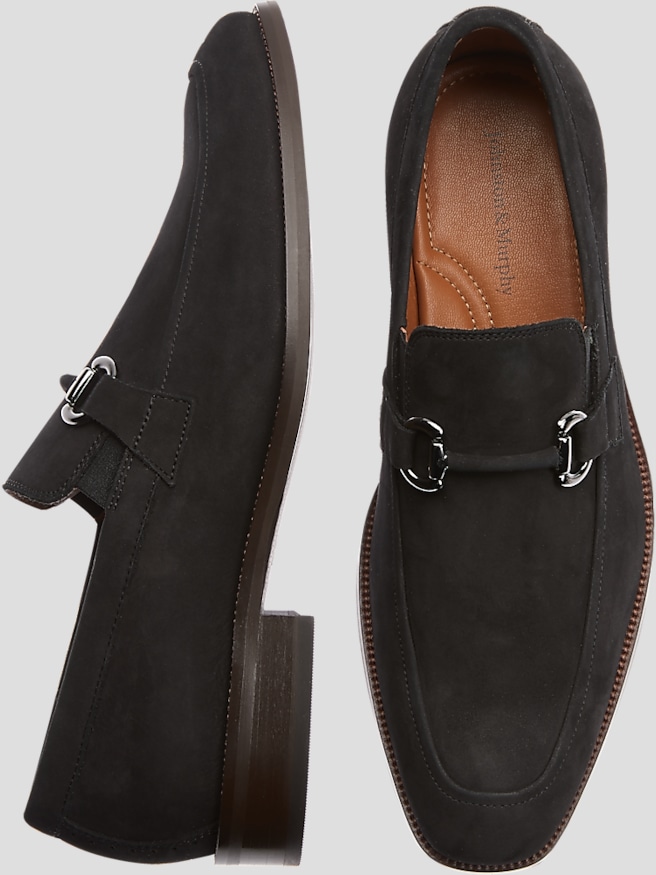
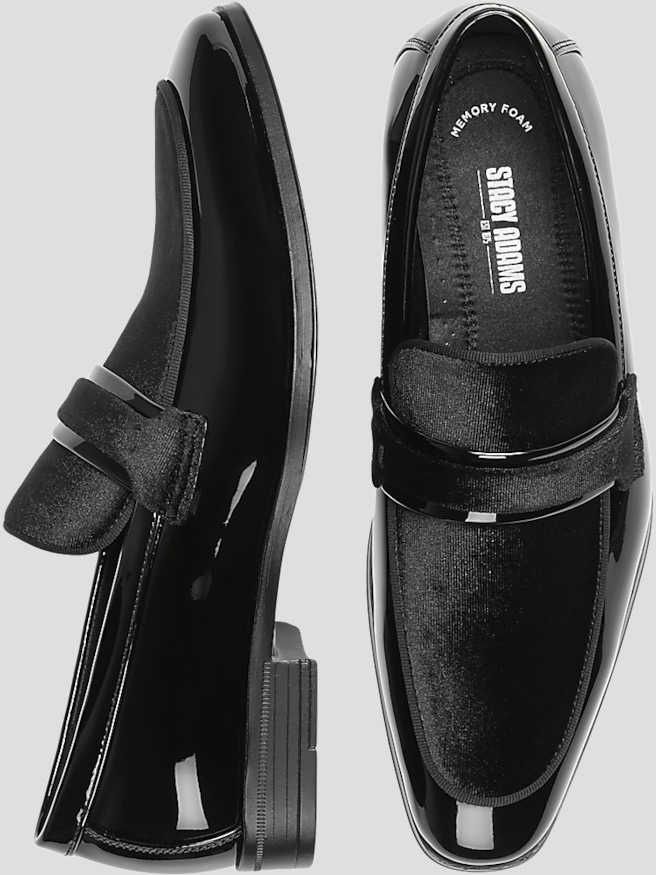
Daily loafers are slip-on shoes designed to bring a polished look to everyday outfits without the formality of traditional lace-up dress shoes. Their low profile and easy entry make them a natural choice for business-casual offices, dinner plans, and days that move between a desk, a commute, and a few stops around town. The appeal is versatility: a well-proportioned loafer can look relaxed with dark denim and a knit polo, then feel more refined with tailored trousers and a button-down shirt. Penny loafers have a strap across the upper with a small opening, creating a recognizable shape that works with a wide range of clothing. Bit loafers introduce metal detailing for a more pronounced accent, while tassel loafers add movement and a traditional dress-shoe character. For a quieter look, Plain Loafers keep attention on the shape, texture, and finish of the shoe rather than decorative details. Color also influences how easily a pair fits into an everyday wardrobe. Black creates a crisp line with charcoal trousers and darker denim; brown pairs naturally with navy, olive, and khaki; deeper burgundy tones can add interest without dominating an outfit. Toe shape and sole thickness matter as much as color. A gently rounded or almond-shaped toe tends to transition comfortably between casual and tailored clothing, while a substantial sole gives the shoe a more grounded, relaxed appearance. Slimmer soles generally create a dressier profile. With trousers, a hem that rests lightly near the top of the shoe lets the loafer’s shape remain visible instead of disappearing beneath excess fabric. Visible socks can connect the shoe to the trousers through color or texture, while no-show socks create a cleaner ankle line with appropriately cut pants. Loafers suit many everyday settings, though formal dress codes may call for a more traditional dress shoe.
Materials help determine how daily loafers feel, how they age, and how much attention they need. Smooth leather provides a defined surface that can be cleaned and polished, making it especially useful when everyday footwear needs to look presentable through repeated wear. Leather can gradually conform to the foot, but that does not mean an uncomfortable pair should be expected to become the correct size. Suede has a soft, textured surface that lends a more relaxed character to chinos, denim, and unstructured tailoring. Its nap needs a different care routine from smooth leather, and marks may be more noticeable without regular brushing. Knit and other textile uppers can offer a lighter, less structured feel, with the exact level of flexibility and support depending on the shoe’s construction. Linings, seams, and the shape of the upper also affect comfort, particularly across the instep where a loafer holds the foot without laces. A suitable fit feels secure through the heel and midfoot, with enough room for the toes to lie naturally rather than curl or press together. Slight movement at the heel can occur in some constructions, but repeated slipping, rubbing, or a need to grip with the toes suggests the fit is not right. Trying loafers with the socks intended for everyday wear gives a more useful impression than switching sock thickness after choosing a size. Width deserves the same attention as length, since sizing up to relieve a tight forefoot may leave too much space at the heel. Underfoot, cushioning can soften contact with hard surfaces, while a stable footbed and secure fit help keep the shoe from feeling loose during longer stretches of standing. Outsole design contributes another layer: rubber can provide flexibility and useful traction, while leather soles offer a traditional profile and a distinct feel underfoot. For frequent walking, tread, weight, and how naturally the sole bends deserve close attention alongside appearance.
The durability of everyday loafers depends on the materials, the way the shoe is assembled, and the habits that follow each wear. Stitched construction may allow certain shoes to be resoled, although repair options depend on the specific construction and condition; cemented construction can create a flexible shoe but may offer fewer options for replacing a worn sole. Neither a prominent seam nor a thick outsole alone establishes how long a loafer will last. Even stitching, neatly finished edges, a secure heel, and a well-attached sole are useful details to examine. Regular care helps preserve those details without requiring an elaborate routine. For smooth leather, removing surface dust with a soft brush or cloth before applying a suitable conditioner helps avoid working dirt into the finish. Polish can restore color and refine the appearance when the leather and finish are compatible with it. Suede benefits from a dedicated brush and products formulated for its textured surface rather than conventional leather cream. Textile shoes need care matched to their materials and construction, so washing should never be assumed safe simply because an upper looks like fabric. Following the maker’s care directions is especially important for mixed-material designs. Between wears, allowing the interior to dry fully and using properly sized shoe trees can help manage moisture and maintain shape. Rotating between pairs also gives linings and footbeds time to recover rather than subjecting the same shoes to continuous use. These practical details matter for anyone who relies on loafers for a regular office schedule, client lunches, or polished casual dressing. They also make loafers a thoughtful gift for a graduate building a work wardrobe, a partner who prefers uncomplicated footwear, or a parent who appreciates familiar style with everyday usefulness. An existing, well-fitting pair provides a better starting point for gift sizing than a guess, though fit can vary between shapes and constructions. The strongest everyday choice is ultimately a loafer that fits securely, complements clothing already worn often, and has a care routine its wearer can comfortably maintain.