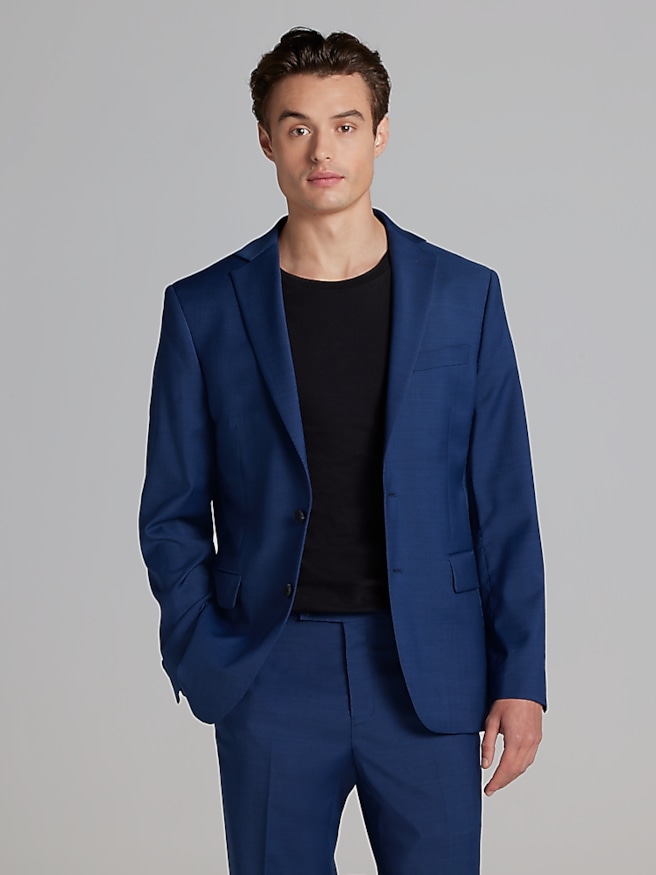
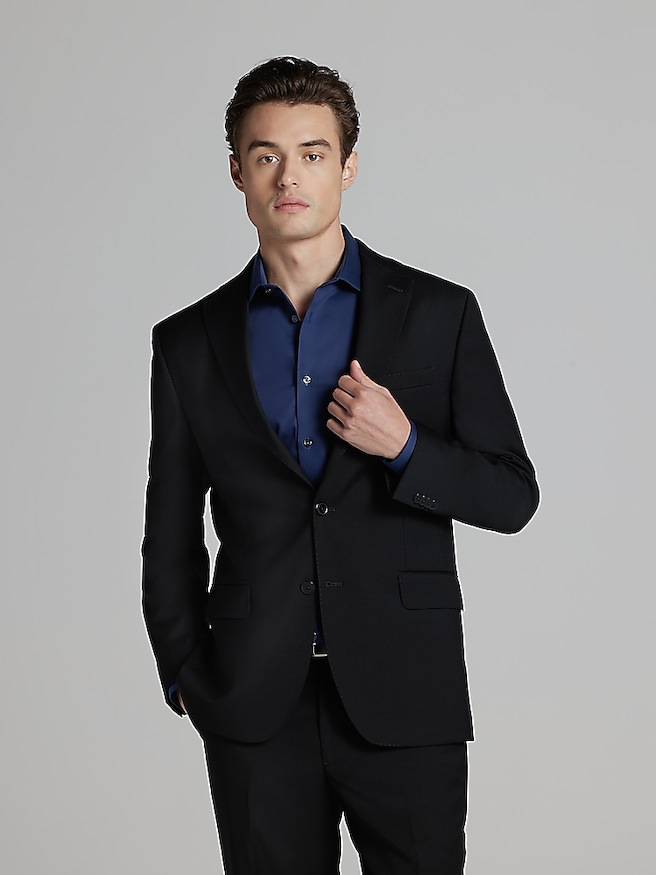
Vintage jackets bring the character of earlier menswear into everyday dressing through distinctive proportions, textured fabrics, and details that stand apart from a plain modern layer. The appeal might be a broad lapel, a softly rounded shoulder, a checked weave, or the substantial feel of a jacket with a defined shape. Some designs recall the clean lines of midcentury tailoring; others take their cues from workwear, aviation, or the more expressive tailoring of the 1970s. Those influences create different impressions without requiring an outfit built entirely around one decade. A textured sport coat over a simple knit can feel relaxed and thoughtful, while a structured jacket with pressed trousers gives a dinner or theater outing a more deliberate finish. Denim, corduroy, leather, and woven wool each bring a different visual language to the category, from utilitarian and understated to polished and richly detailed. Color matters just as much as silhouette: tobacco brown, deep navy, charcoal, and muted olive offer an easy foundation, while checks and herringbone add interest through pattern rather than bright contrast. Vintage can describe an older garment or serve as shorthand for a design influenced by the past, so age, construction, and styling are separate considerations. A vintage-inspired jacket can carry familiar period details without being decades old, and an older jacket can look surprisingly contemporary when its proportions suit the wearer. That flexibility makes the category appealing to men who enjoy traditional tailoring, collectors interested in clothing history, and anyone looking for a distinctive alternative to a standard blazer. The strongest combinations usually give the jacket room to lead: a quiet shirt, uncomplicated trousers, and shoes with a compatible level of formality. The result feels personal rather than theatrical, with enough character for a creative workplace, a gallery visit, or an evening gathering. The jacket becomes part of a familiar wardrobe instead of something reserved for a themed event.
Fabric and construction help determine how a vintage jacket looks, moves, and holds up to repeated wear. Wool can provide a clean drape and a resilient surface, while tweed emphasizes texture through its more pronounced weave. Corduroy has a directional nap that catches the light differently as the wearer moves, and cotton twill often develops softer creases with use. Leather offers another kind of character, with grain, finish, and surface variation shaping its appearance; a smooth, polished hide has a different presence from a matte or visibly worn finish. Fabric names alone do not establish durability, though. Secure stitching, sound seams, firmly attached buttons, and a lining that allows comfortable movement all contribute to a jacket’s useful life. On an older garment, worn cuffs, stressed pocket corners, brittle leather, or weakened lining deserve particular attention because surface character and structural damage are not the same thing. Fit also needs to account for the cut of the original design. A boxier body or fuller sleeve may be intentional, but the jacket should still feel balanced across the shoulders and comfortable through the upper back. A tailored collar generally sits close to the shirt collar, and the front should close without pronounced pulling around the button. Sleeve length can be judged alongside the shirt or knit most likely to be worn beneath it, rather than in isolation. For someone who spends much of the day seated, enough room through the chest and upper arms can matter more than a sharply tapered waist. Shoulder shape and overall length are especially important because substantial changes to those areas can be complicated and may disturb the original proportions. Men comparing distinctive period details with other approaches to everyday dressing can find a broader point of reference in Best Jackets. Across these styles, comfort and proportion matter more than reproducing a historical look exactly.
The intended use of a vintage jacket often determines which details will feel most useful over time. A man who regularly wears collared shirts may appreciate a tailored shape that works with both dress trousers and dark denim, while someone drawn to casual dressing may prefer simpler construction and a less structured body. Frequent driving, commuting, or reaching across a desk can make sleeve mobility and pocket placement noticeable in daily wear. A jacket chosen for dinners and celebrations may emphasize drape, lapel shape, and subtle pattern instead. Care should follow the garment’s label and material rather than a single routine for every jacket. Wool tailoring often benefits from airing between wears and gentle brushing to remove surface dust, with professional cleaning used as appropriate for the fabric and construction. Leather requires products suited to its particular finish, and any treatment is best tested discreetly before wider application. Cotton and corduroy also need attention to their care instructions, especially where washing could affect the lining, color, or shape. A supportive hanger helps preserve the shoulders of a tailored jacket, and avoiding tightly packed storage gives sleeves and lapels room to settle naturally. Emptying heavy pockets after wear reduces strain, while prompt attention to loose buttons or small lining tears can prevent a minor repair from becoming a larger problem. These habits support longevity without trying to erase every sign of use; gentle creasing and subtle variation may be part of the jacket’s appeal. As a birthday, graduation, or milestone gift, a vintage-style jacket can be especially meaningful for someone with an interest in classic films, design, music, or menswear history. The most thoughtful choice reflects the recipient’s established preferences in fit and fabric rather than an unfamiliar decade chosen for novelty alone. Familiar measurements and a sense of how that person dresses make the gesture more practical. Whether worn for an important occasion or worked into an ordinary week, a well-considered vintage jacket offers character that comes from its shape, texture, and details—not from needing an elaborate outfit around it.