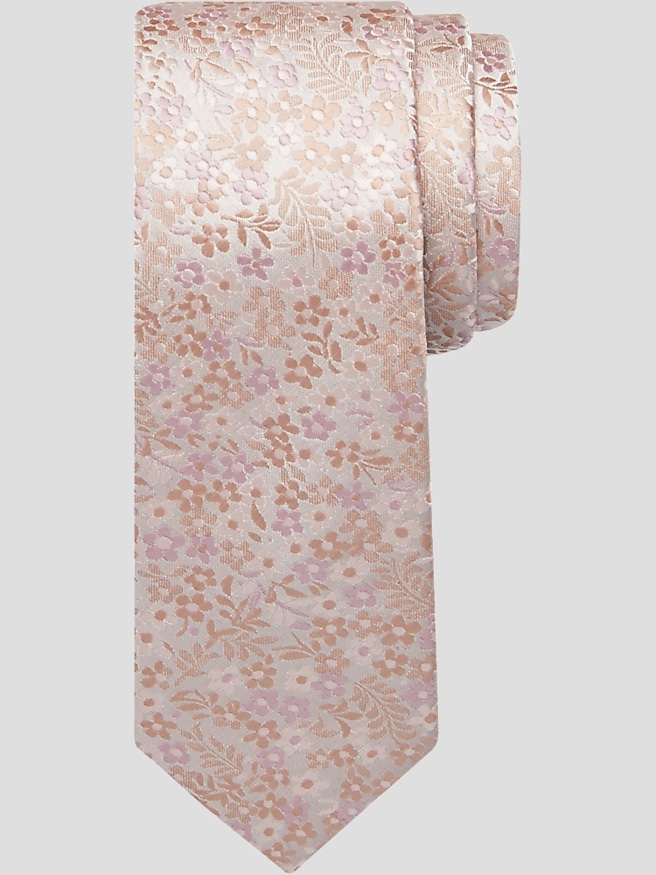
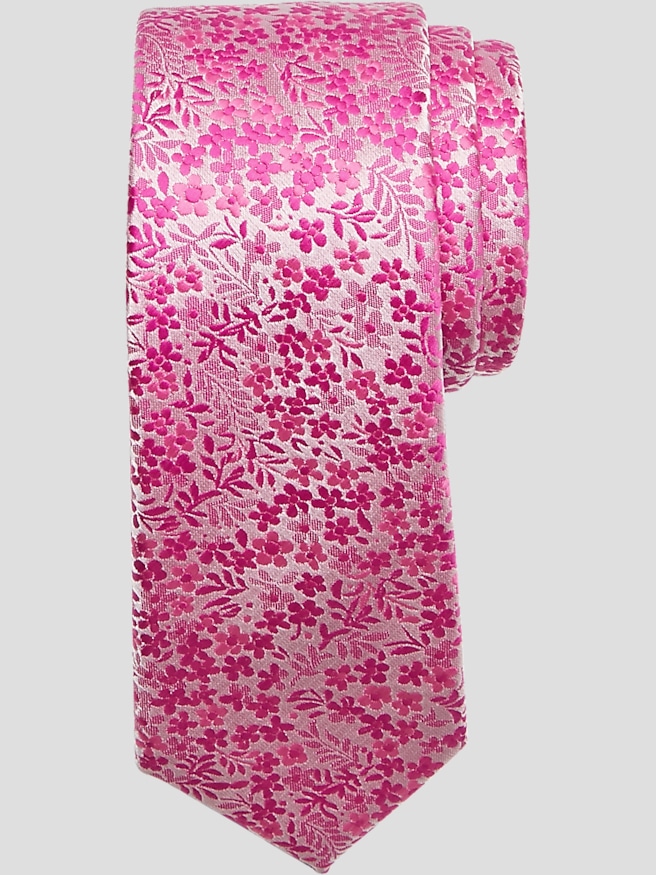
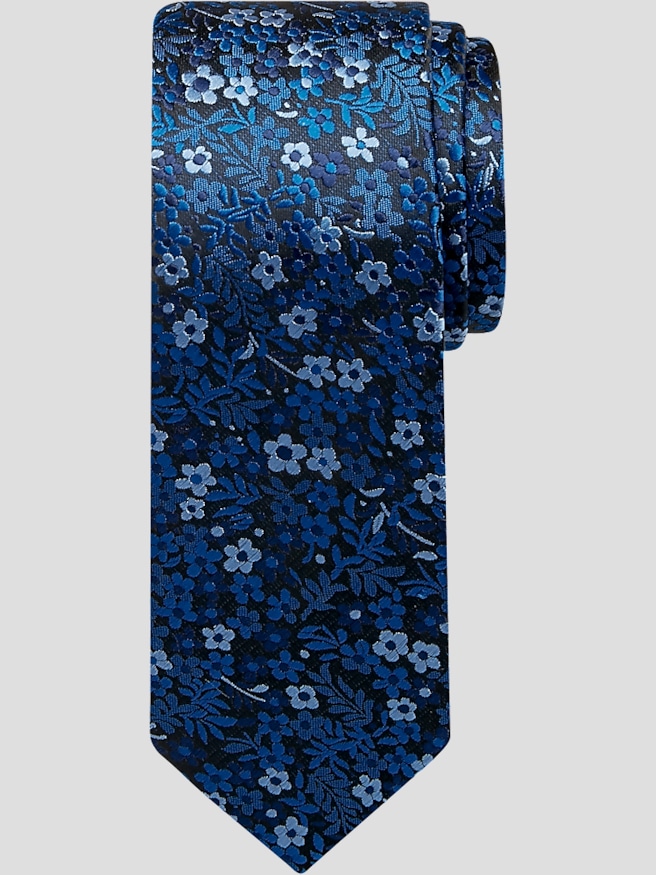
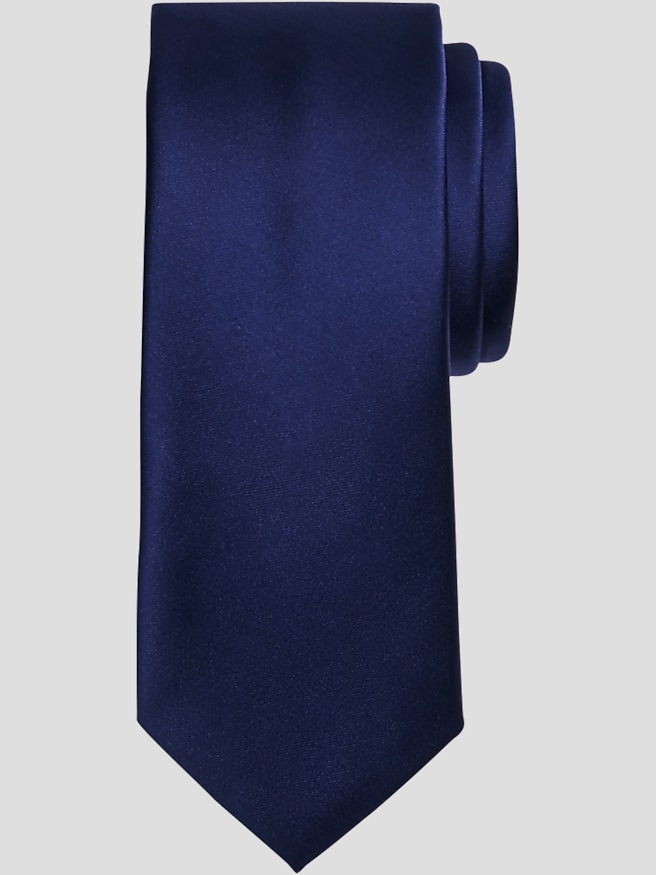
Vines ties bring a polished, playful character to men’s neckwear, pairing the familiar shape of a dress tie with the easy confidence of preppy patterns. In a clothing context, the term refers to neckties associated with colorful prints, repeating motifs, and classic American prep style. Small nautical illustrations, geometric repeats, and conversational designs give this type of neckwear its distinctive personality: orderly enough to complement a tailored jacket, but expressive enough to make an outfit feel personal. From across a room, a closely spaced motif may read as texture; up close, the individual shapes become part of the appeal. That balance makes patterned ties useful for office attire, wedding guest outfits, graduation ceremonies, and dinners where a collared shirt and jacket feel appropriate. A navy suit and white shirt create a clean background for a colorful print, while a light blue shirt softens the contrast and gives a familiar business outfit a more relaxed character. Burgundy, green, pink, and blue accents can connect with other elements of an outfit without requiring an exact match. A pocket square that picks up a secondary color often looks more natural than one that duplicates the tie’s entire pattern. Scale matters as much as color: a compact repeating print tends to feel restrained, while larger illustrations make a stronger statement. Against a checked jacket or striped shirt, a motif with clearly different spacing helps keep the patterns distinct. The result should look coordinated rather than crowded. For someone whose wardrobe centers on solid suits and sport coats, a patterned necktie introduces variety without changing the foundation of the outfit. For someone who already enjoys expressive accessories, it offers another way to bring a favorite color or personal interest into dressed-up occasions. The strongest combinations let the tie contribute character while keeping the overall impression neat, comfortable, and appropriate to the setting.
Material and construction determine how a tie feels in the hand, forms a knot, and hangs against a shirt. Silk is a common choice for printed dress neckwear because it carries fine detail well and has a natural luster that gives colors depth. A smoother silk surface creates a crisp, refined impression, while a more textured finish can make a pattern feel softer and less formal. Fiber content varies, so the composition listed for an individual tie is more useful than assuming every tie within a style category uses the same fabric. The interior matters, too. An interlining gives the outer fabric support, contributes to the fullness of the knot, and helps the blade recover its shape after wear. Some ties use wool or blended interlinings, though construction differs. Fabric cut on the bias supports a fluid drape, and careful stitching helps the tie lie evenly rather than twisting across the shirtfront. For printed motifs, clean edges and consistent color are worthwhile details to notice. Proportion is another part of a successful fit. Many adult neckties measure around 58 inches long and roughly 3 to 3.5 inches at their widest point, but measurements are not universal. Height, torso length, neck size, and knot choice all affect where the tip lands; a finished length near the waistband is a useful reference. A taller wearer or someone who prefers a fuller knot may need additional length. Tie width generally looks most balanced when it relates to the jacket’s lapels rather than competing with them. A moderately sized blade works comfortably with many traditional suit proportions, while a narrower shape gives a slimmer visual line. The shirt collar completes the relationship. A compact four-in-hand knot sits naturally beneath many point collars, and a broader knot can fill the space of a spread collar. A small dimple beneath the knot adds dimension without making the fabric look tightly compressed.
The appeal of vines ties extends beyond a single dress code. A finely spaced print can bring personality to a client lunch without distracting from the conversation, while a more noticeable motif can feel at home at a reception or celebratory dinner. For interviews and other settings where restraint matters, subtle contrast and a small pattern usually keep the focus on the person wearing the tie. Wedding guests can use a patterned tie to add interest to a familiar suit, taking their cue from the invitation’s dress code rather than treating all formal occasions alike. A conventional necktie suits many dressed-up events, but it does not automatically replace the bow tie expected with traditional black-tie attire. As a gift, this kind of neckwear works especially well when the pattern reflects the recipient’s interests and the colors fit shirts or jackets already in regular rotation. A father who favors navy tailoring, a graduate building a professional wardrobe, or a friend known for distinctive accessories may each appreciate a different balance of color and detail. Neckwear with that personal quality also connects naturally with Boutique Ties, where distinctive design can be part of the appeal. Keeping a tie looking good depends on gentle handling as much as construction. After wear, carefully reverse the steps used to tie the knot instead of pulling the narrow end through a tight knot. Letting the fabric relax helps reduce persistent creases and unnecessary strain on seams. Hanging a tie smoothly or storing it loosely rolled prevents sharp folds; drawers should leave enough room that the fabric is not crushed. For travel, a protective tie case or a loose roll cushioned among clothing can help preserve its shape. Always follow the care label, particularly with silk. Rubbing a spill, soaking the fabric, or applying direct heat can damage the surface or leave a visible mark. Prompt attention from a cleaner experienced with neckwear is often the better approach for stains. Thoughtful care protects the drape, color, and small printed details that make a favorite tie worth wearing repeatedly.