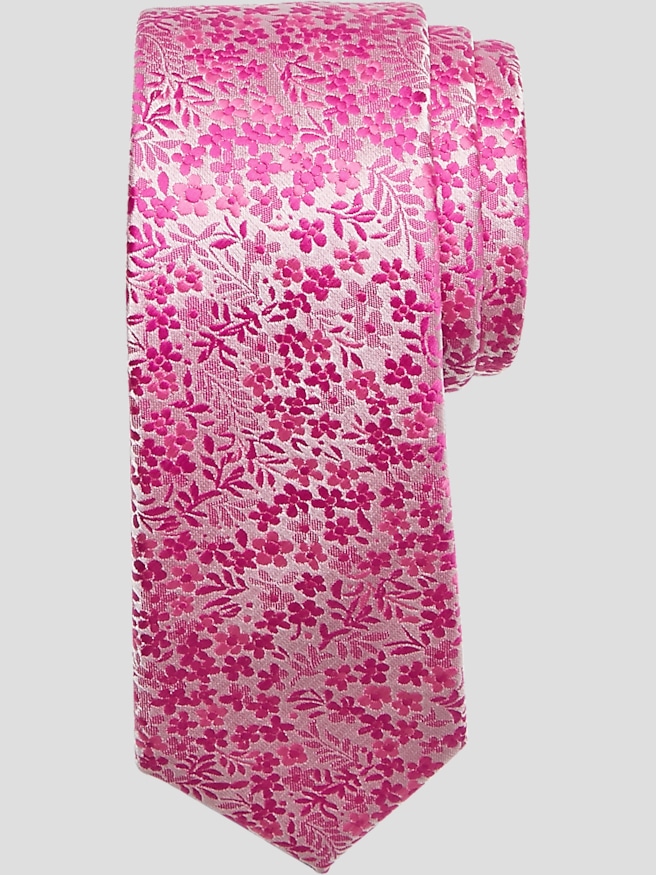
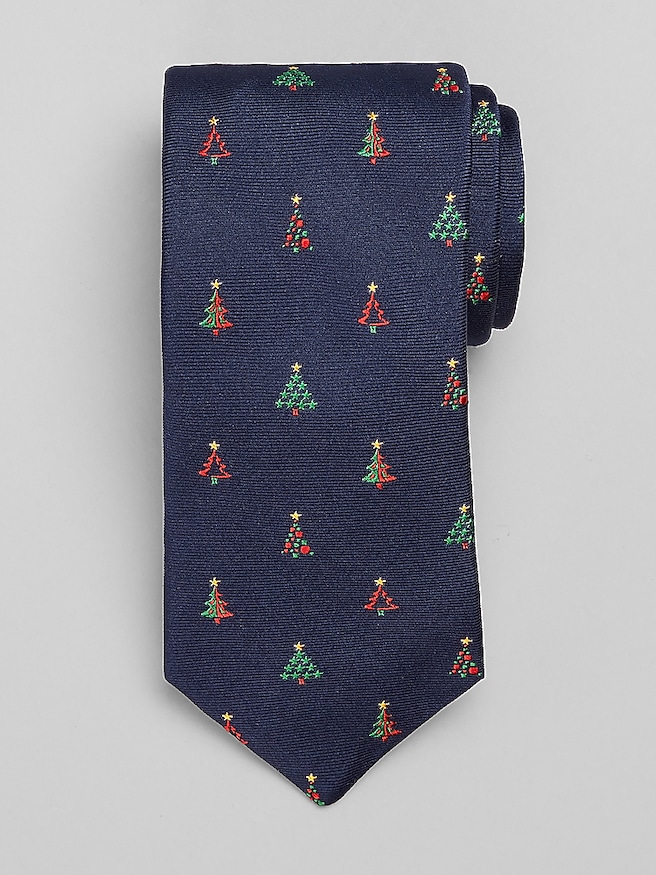
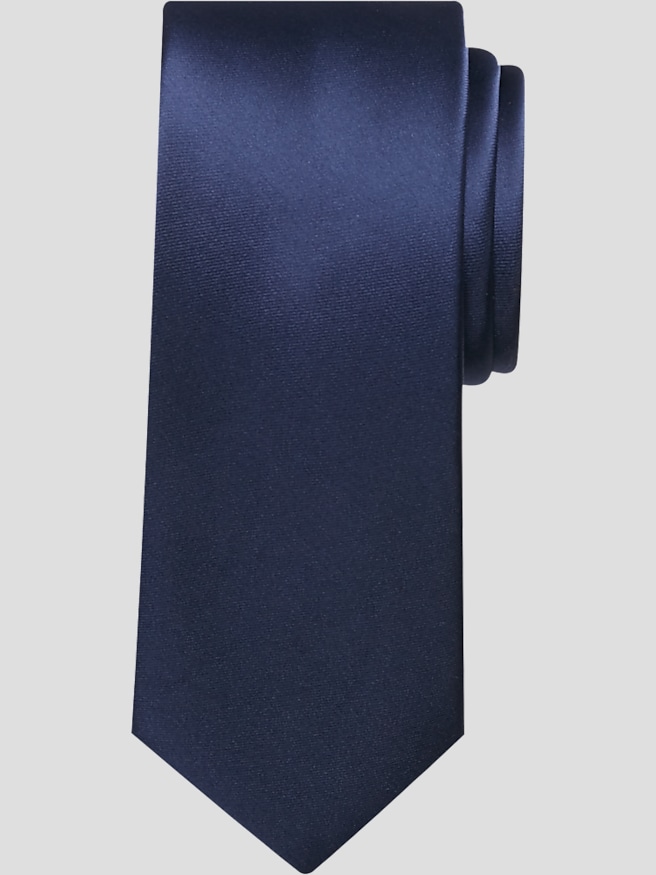
Veterans Day ties add a thoughtful patriotic detail to suits, sport coats, and dress shirts worn to recognize those who have served in the U.S. Armed Forces. Red, white, and blue are familiar choices, but the effect can range from a quiet navy stripe to a more expressive pattern of stars or flag-inspired motifs. The right balance depends on the setting and the person wearing it. A community recognition breakfast may call for a navy suit, a white shirt, and a burgundy tie with a small repeating pattern; a neighborhood gathering or workplace observance can leave more room for brighter color. Veterans Day honors military service, making the occasion an opportunity for appreciation, recognition, and connection rather than a requirement for somber dressing. Veterans, relatives, colleagues, and guests can all choose neckwear that suits their role in the gathering without making the accessory the center of attention. Small patterns tend to look understated across a room while revealing more detail in conversation, and broad stripes create a clear, traditional look against a solid shirt. A navy background can soften a red-and-white design, while a deep red tie adds warmth to charcoal or dark blue tailoring. Patriotic color does not need to appear in every accessory: one well-chosen tie can carry the theme with a plain pocket square and polished dress shoes. Military emblems and unit references carry personal significance, so those details deserve consideration beyond their appearance. For anyone attending in uniform, applicable uniform requirements take precedence over civilian styling preferences. For civilian attire, a Veterans Day necktie can offer a respectful finishing touch that feels appropriate at a recognition ceremony, a luncheon, or a family celebration of someone’s service. The most versatile designs also work beyond the occasion, especially when their patriotic character comes through color, proportion, and restrained pattern rather than a large commemorative graphic.
Fabric and construction influence how a tie looks, knots, and holds up through repeated wear. Silk is valued for its drape and depth of color, with finishes that can appear smooth and luminous or more textured and subdued. A woven silk pattern gives stripes or small motifs visible dimension, while a printed design can provide crisp detail on a smoother surface. Polyester can be a practical choice for frequent use because it generally resists wrinkling and offers straightforward upkeep, although its feel and sheen vary with the weave and finish. Blends combine characteristics from multiple fibers, so the care label and the actual texture matter more than assumptions based on the fiber name alone. For an event with bright overhead lighting or photographs, a restrained finish can keep the focus on the wearer rather than a reflective patch at the chest. The tie’s interlining also contributes to its shape: enough structure helps the knot sit neatly, but excessive bulk can make a narrow collar feel crowded. Width works best in proportion to the shirt collar, jacket lapels, and the wearer’s build. A medium-width tie is an adaptable partner for many tailored outfits, while a narrower shape creates a leaner line and a broader blade can balance wider lapels. Length matters just as much, particularly for taller wearers or anyone who prefers a fuller knot. Once tied, the front blade should generally reach the waistband without extending far below it. A compact four-in-hand knot suits many everyday collars and uses less fabric than a larger knot; a half-Windsor offers a more symmetrical shape when the collar has room for it. These practical details help a patriotic tie feel comfortable through a seated meal, a receiving line, or several hours of conversation. A tie that hangs straight, forms a clean knot, and settles smoothly against the shirt will usually look more polished than an elaborate design that needs constant adjustment.
Thoughtful coordination makes Veterans Day neckwear easier to wear again and easier to give. A solid white shirt provides a clear background for stars, stripes, and other detailed patterns, while pale blue creates a gentler contrast with navy, burgundy, or muted red. With a checked shirt, a tie pattern on a noticeably different scale helps the two designs remain distinct instead of competing. A charcoal suit can anchor a brighter patriotic design, and a navy sport coat with gray trousers offers a less formal option for a daytime gathering. Texture can make an equally important difference: a subtly textured tie gives a plain shirt visual interest without requiring a louder print. For a gift recipient, familiar habits are useful clues. Someone who wears tailored clothing several days a week may appreciate a restrained design that also works for meetings, while someone who dresses up mainly for family occasions may prefer a tie with a more recognizable patriotic theme. A connection to military service can make the gift meaningful, but the recipient’s preferred colors, usual tie width, and shirt collars still deserve attention. Care helps preserve that usefulness. Untying the knot after each wear rather than pulling the narrow end through a tightened knot reduces strain on the fabric and seams. Allowing the tie to rest between outings can help light creases relax, and storing it loosely rolled or hanging without pressure helps protect its shape. Food marks need prompt attention according to the care label; vigorous rubbing can spread a stain or damage a delicate finish. Silk and other sensitive fabrics may need professional cleaning, and direct heat can leave unwanted shine or flatten texture. Keeping neckwear away from crowded drawers and sharp accessories also helps prevent snags. For a separate holiday gathering with its own color palette and mood, Mens Thanksgiving Ties offers another occasion-focused direction. A well-proportioned Veterans Day tie remains a personal detail, chosen to complement the wearer and acknowledge the meaning of the event.