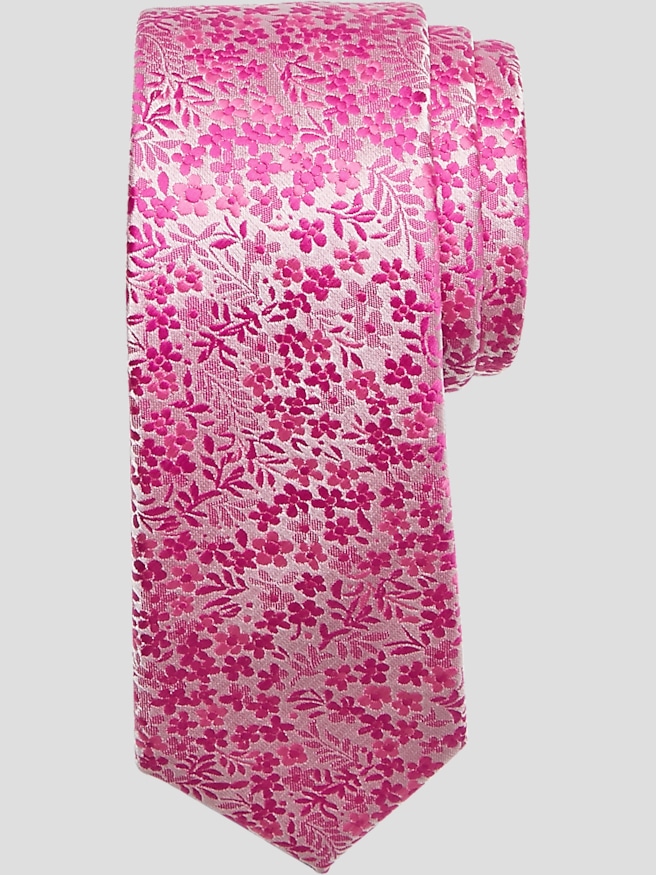
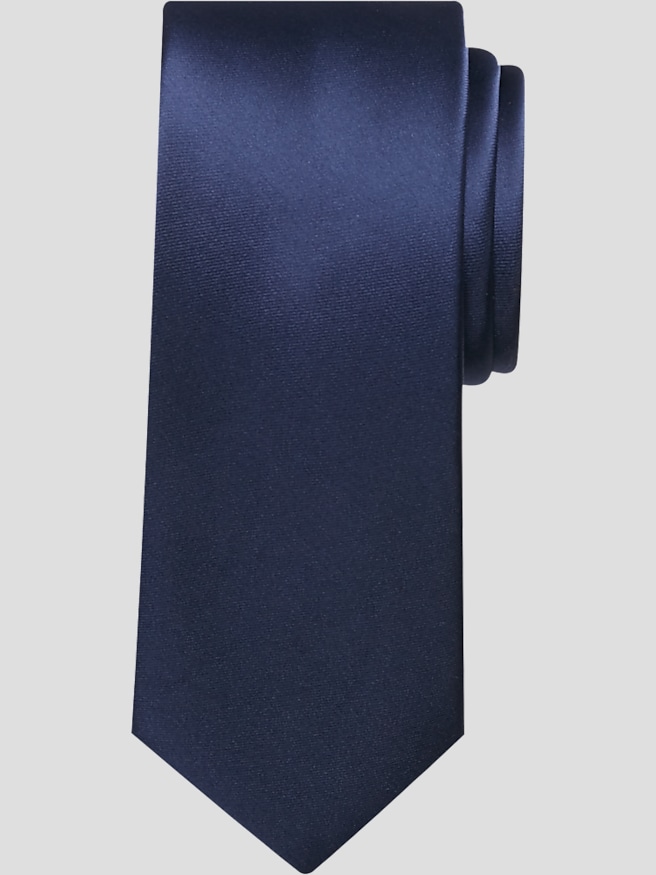
Men’s Thanksgiving ties bring a festive touch to holiday dressing, from small turkey prints and autumn leaf patterns to understated solids in rust, burgundy, mustard, and chocolate brown. The right neckwear can make a familiar shirt and jacket feel ready for a family dinner, a Thanksgiving gathering with friends, or a holiday meal where everyone dresses up for photographs. Novelty designs put the occasion front and center, while warm colors, subtle paisleys, and textured weaves suggest autumn without relying on a recognizable holiday motif. Small, evenly spaced turkeys or pumpkins can read almost like a traditional repeating pattern from a distance, revealing their playful detail across the dinner table. Larger prints make more of a statement and work especially well when the rest of the outfit stays simple. A white dress shirt gives orange, red, and brown patterns a clear background; pale blue offers a softer contrast with burgundy or burnt orange. Navy and charcoal jackets help ground brighter neckwear, while a brown sport coat can complement a tie with gold, cream, or deep red accents. The colors do not need to match exactly. A little contrast keeps the tie visible rather than letting it disappear against the shirt or jacket. For a quieter interpretation, a burgundy tie with a fine geometric pattern or a deep green tie with a muted gold detail can feel appropriate for Thanksgiving and remain useful for other dressed-up occasions. Plaids and restrained floral designs offer another middle ground between a plain solid and a full holiday print. At a casual gathering, a tie worn beneath a V-neck sweater adds definition around the collar without requiring a complete suit. For a more formal dinner, a smooth woven tie and a tailored jacket create a finished look that still leaves room for personal style. The distinction is less about how festive a tie appears on its own and more about how its color, pattern, and texture fit the setting.
Materials influence both the appearance of Thanksgiving neckwear and how it feels through a long meal or an afternoon of visiting. Silk often has a supple hand and a soft luster that brings depth to rich colors, though the weave determines whether the surface looks smooth, crisp, or visibly textured. Polyester and microfiber can produce clear printed details and saturated colors, making them useful materials for intricate seasonal motifs. They are not automatically stainproof or machine washable, so the care label remains important regardless of fiber. Wool and wool-blend ties offer a softer, more matte appearance that pairs naturally with tweed, flannel, and other textured tailoring. Knitted ties introduce a more relaxed finish, particularly with an unstructured jacket or a cardigan, and their open texture can add interest without a large pattern. Construction matters as much as the outer fabric: lining, stitching, and the balance of the finished tie affect its drape, knot, and ability to recover after wear. A tie should lie smoothly down the shirt front rather than twist or pull to one side. Width is largely a matter of proportion and preference. Slim ties tend to suit narrower lapels and a streamlined silhouette, while a more traditional width balances broader lapels and a fuller jacket. Length deserves equal attention, especially for taller wearers or anyone who prefers a substantial knot. With the tie fastened, its tip generally looks most balanced near the top of the waistband. A larger knot uses more fabric, so the same tie may finish at a different length depending on how it is tied. A four-in-hand creates a slightly asymmetrical knot with relatively little bulk; a half-Windsor gives a fuller, more symmetrical shape. The collar opening should accommodate the knot without being pushed out of position. These details make a difference when a tie needs to look comfortable through dinner, conversation, and photographs rather than simply looking good on a hanger.
Thanksgiving ties can also make thoughtful gifts when their design reflects the recipient’s habits. A father who enjoys a playful holiday tradition may appreciate a turkey motif, while a brother, partner, or dinner host with a more understated wardrobe might get more use from a textured burgundy solid or a small autumn-colored pattern. Familiar shirt and jacket colors offer useful clues: someone who wears mostly navy and light blue has plenty of room for rust or gold accents, while charcoal and white provide a neutral setting for deeper reds and greens. A seasonal tie does not have to be reserved for one meal. Leaf patterns, warm-toned stripes, and subtle paisleys can work for other autumn gatherings, and many solid colors carry comfortably into business settings, celebrations, and winter dinners. For more ways to carry that polished look beyond the holiday, explore Best Men's Ties. Care helps preserve that usefulness. Around gravy, cranberry sauce, and other dinner-table spills, prompt attention is better than rubbing a mark into the fabric. Gently blotting with a clean, dry cloth can absorb excess moisture, but any further treatment should follow the tie’s care instructions; delicate fabrics and persistent stains may need professional attention. Heat, harsh scrubbing, and improvised cleaning solutions can damage fibers or alter color. After wearing, loosen the knot carefully and untie it completely rather than pulling the narrow end through a tight knot. Woven ties can generally rest on a suitable tie rack or in a loose roll, while knits are better stored flat to help prevent stretching. Keeping neckwear away from damp spaces and prolonged direct sunlight also helps protect its shape and color. With thoughtful care and proportions that suit the wearer, a Thanksgiving tie can become a familiar part of the holiday outfit—whether its character comes from a tiny turkey, a rich autumn shade, or a texture that makes a simple shirt feel special.