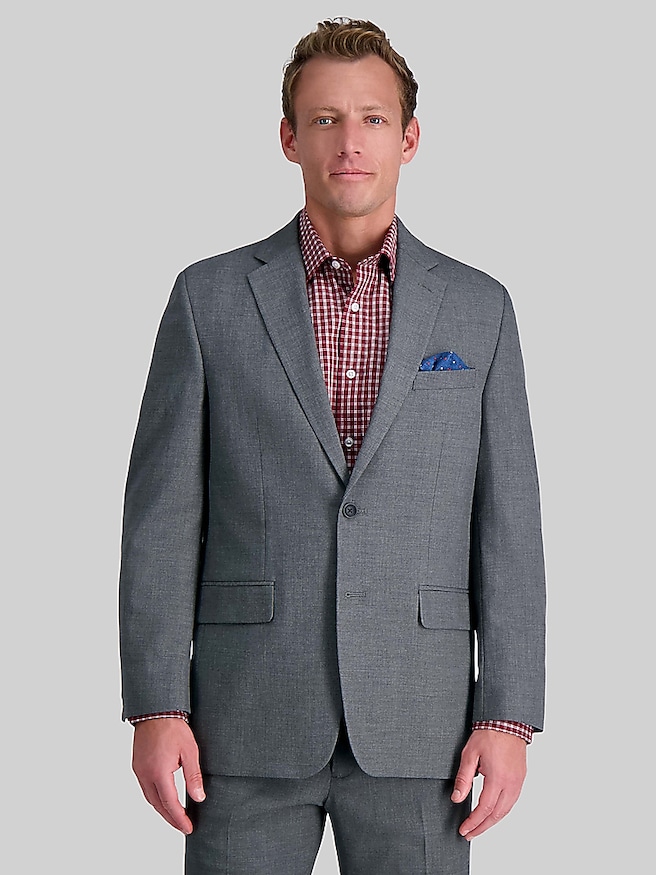
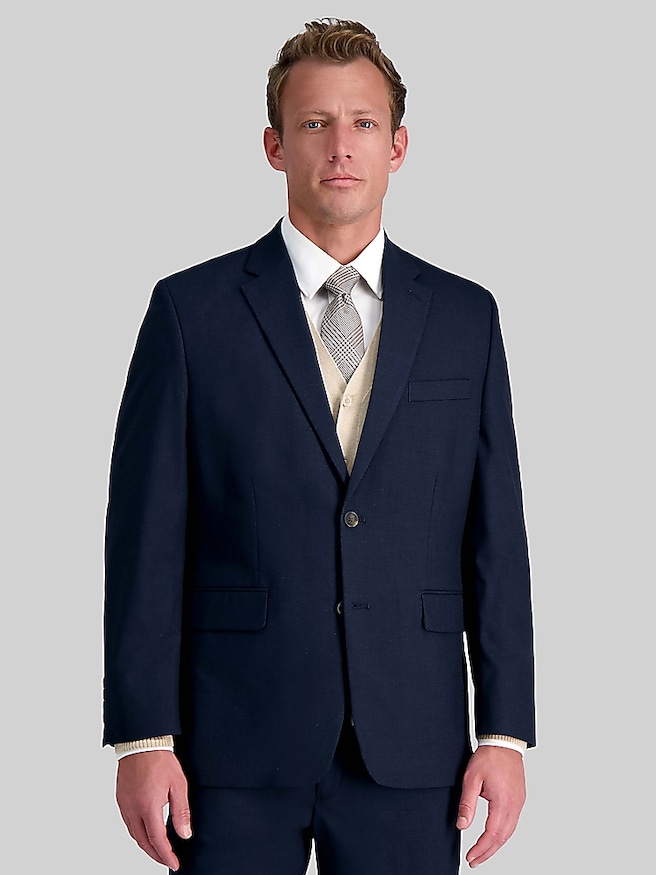
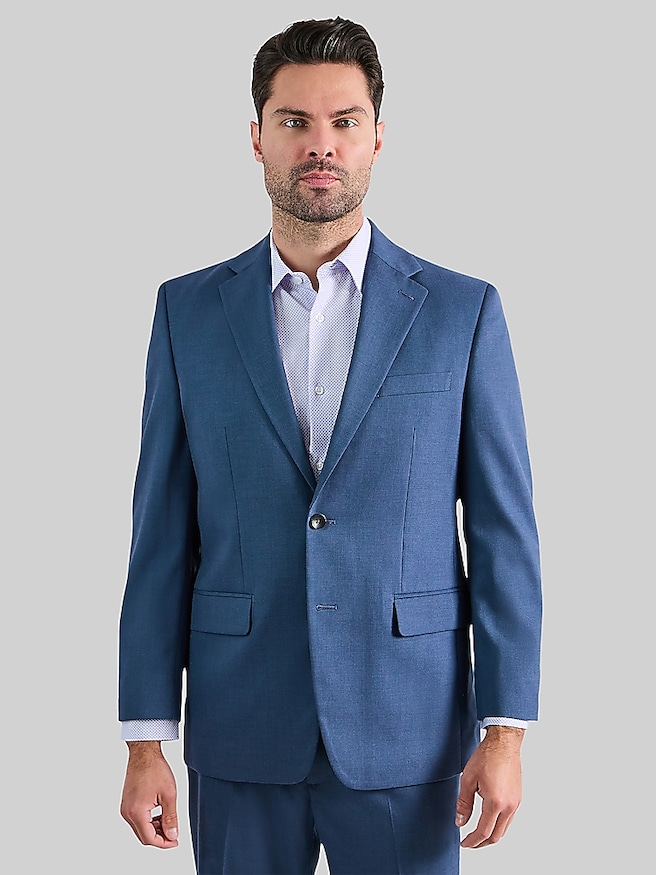
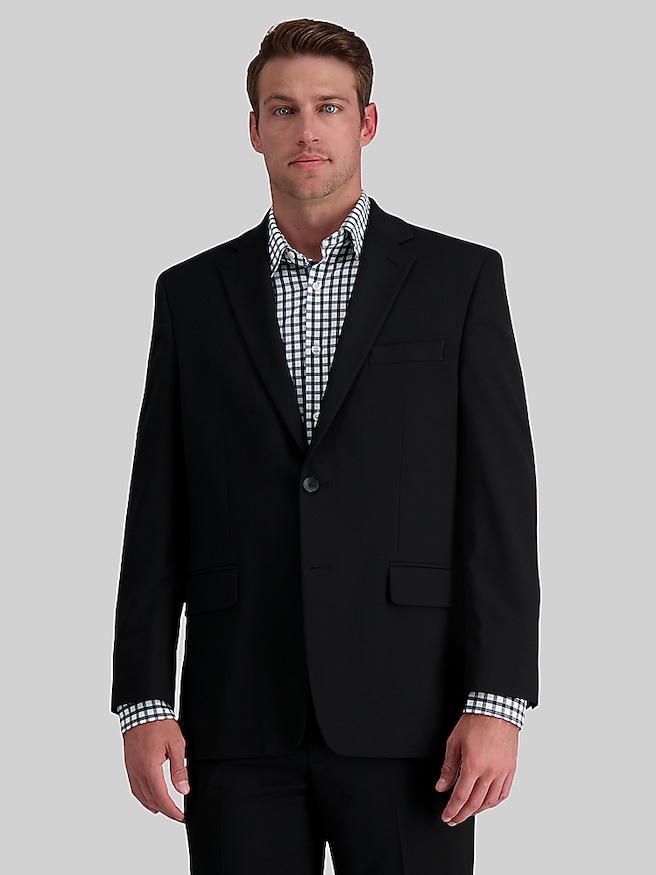
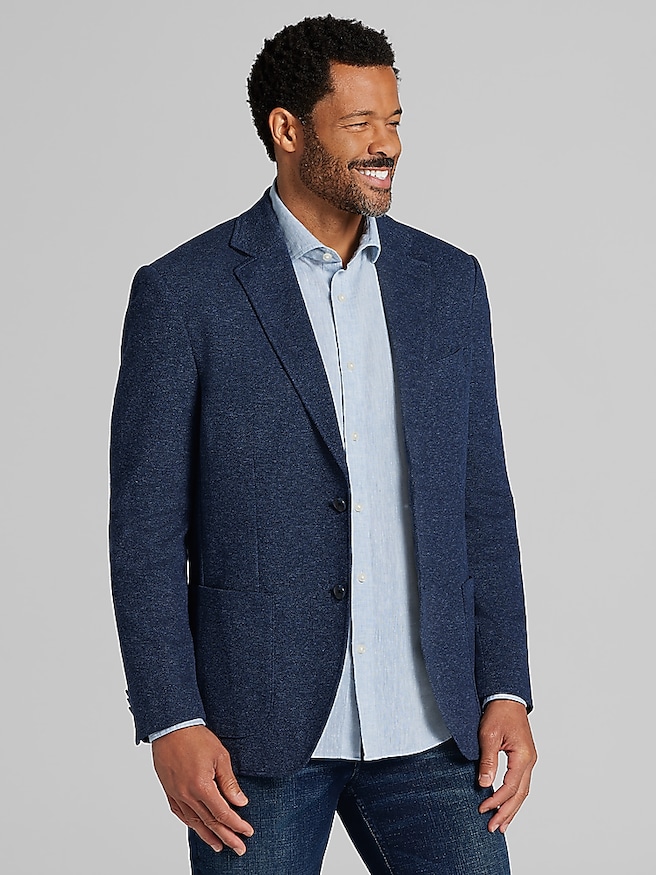
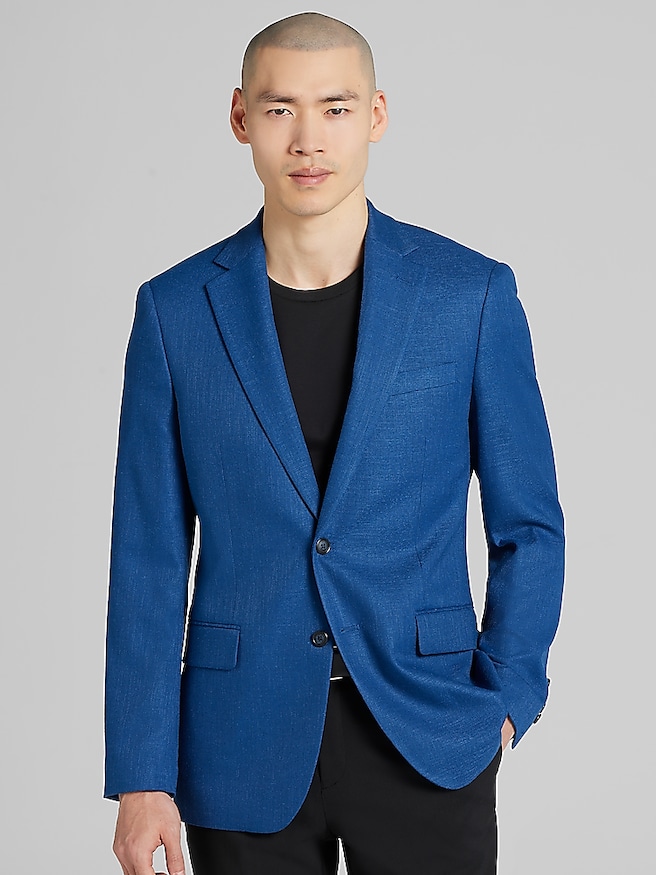
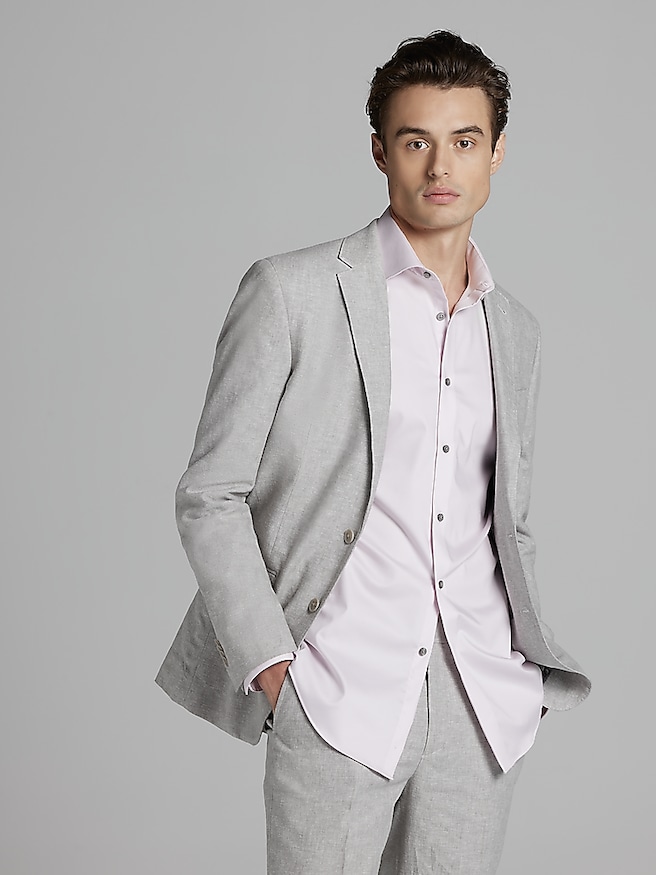
Unique men’s blazers bring individuality to a familiar tailored shape through distinctive fabrics, expressive patterns, rich color, and considered details. A jacket does not need a loud print to stand out: a pronounced herringbone weave, a softly brushed surface, or a deep burgundy shade can make an impression while remaining easy to wear. More expressive statement blazers may feature oversized checks, botanical motifs, abstract prints, embroidery, or contrasting lapels. Each approach creates a particular effect. Jacquard fabrics have patterns woven into their structure rather than applied to the surface, while brocade often has a raised, ornamental appearance that lends itself to evening occasions. Velvet adds depth as its pile catches the light, making even a solid-colored blazer feel distinctive. Corduroy offers visible ribbing and a relaxed character, and textured wool brings dimension to everyday tailoring without relying on strong color contrasts. Embellishments such as sequins or decorative stitching create a more theatrical finish, best suited to celebrations and settings where expressive dressing feels natural. These details make unusual blazers appealing to someone building a signature wardrobe, dressing for a milestone birthday, attending a creative industry reception, or bringing personality to a dinner out. For a wedding guest, the right statement jacket still needs to respect the invitation’s dress code; a decorative blazer is not automatically a substitute for formal attire. In a business setting, a muted windowpane or subtle woven pattern can offer individuality without distracting from the conversation. The distinction lies in the balance of fabric, silhouette, and setting, not simply how much attention a jacket attracts. For a closely related take on updated tailoring, Men's Contemporary Blazers connects this interest in distinctive design with modern proportions and versatile styling. A memorable blazer should feel like a natural extension of the person wearing it, whether that means a quiet texture noticed across a dinner table or an expressive pattern visible from across the room.
Material and construction influence how a distinctive blazer feels throughout the day, how it drapes, and how comfortably it moves between occasions. Wool is valued for its resilience, breathability, and ability to hold a tailored shape, although warmth depends on the fabric’s weight and weave. Wool blends can combine those qualities with added softness, strength, or stretch, depending on their composition. Cotton often creates a more relaxed surface and may develop visible creasing with wear, which can suit an easygoing jacket better than a sharply formal one. Linen has an airy feel and a characteristic rumpled texture; in blends, it can add visual interest without defining the entire character of the cloth. During the cooler months, brushed wool, corduroy, and velvet work naturally with substantial trousers and fine-knit layers. A lighter jacket may remain comfortable indoors, especially at crowded receptions or in heated offices. Lining also matters: a fully lined blazer provides a smooth interior over shirts and knitwear, while partial lining can reduce weight and allow a softer feel. Neither construction alone determines quality. Even seams, secure buttons, smooth lining, and neatly finished pockets are more useful details to consider alongside the fabric. Fit gives bold design its polish. On a conventionally tailored blazer, the shoulder should sit close to the wearer’s natural shoulder without collapsing or jutting outward. Lapels should lie smoothly against the chest, and the buttoned front should not pull into a pronounced X. There should be enough room to sit, reach forward, and move comfortably without excessive fabric gathering around the waist. Slim fits create a closer outline, while roomier cuts accommodate broader builds or additional layers; neither is inherently more distinctive or more flattering. Trying a blazer over the type of shirt or sweater intended for regular wear gives a more realistic sense of fit. Sleeve and body length should look balanced with the wearer’s proportions, especially when a large-scale print makes the jacket’s outline particularly noticeable.
Styling a unique blazer is often a matter of giving its strongest feature enough space. A burgundy velvet jacket over a charcoal fine-gauge knit has depth without needing several competing accessories, while a graphic patterned blazer can sit comfortably above plain dark trousers and clean leather shoes. Dark denim brings a textured sport coat into a more relaxed setting, provided the occasion allows it and the denim has a tidy finish. For a dinner followed by an evening performance, a subtly patterned jacket, an open-collar shirt, and tailored trousers can feel polished without the formality of a matching suit. At a festive gathering, a bolder woven motif may work well with a solid shirt that picks up one understated color from the pattern. The supporting pieces do not have to match exactly; shared tones and compatible fabric weights usually create a more convincing outfit. A small-scale shirt pattern can work beneath a larger check, but leaving a clear distinction between the two keeps the combination from looking crowded. Shoes, belts, and pocket squares are best considered together so that decorative details do not compete for attention. Care is equally important to keeping these jackets wearable beyond a single occasion. Follow the garment’s care label, since wool, velvet, coated fabrics, embroidery, and embellished surfaces may require distinct cleaning methods. A broad, shaped hanger supports the shoulders, and space in the closet helps prevent crushing the lapels or flattening textured cloth. Let the jacket air after wear, empty the pockets, and avoid leaving heavy objects inside them. Brushing may help suitable wool fabrics, but delicate decoration calls for gentler handling. Direct heat and aggressive pressing can damage some finishes, so pressing or stain treatment may be best left to a cleaner experienced with the material. Frequent wear also makes durable seams, secure trim, and a fabric suited to the intended setting especially valuable. As a gift, a distinctive blazer is most successful when the recipient’s measurements, preferred fit, and actual occasions are well understood. Thoughtful fabric, comfortable proportions, and personal relevance make an unusual jacket worth wearing repeatedly.