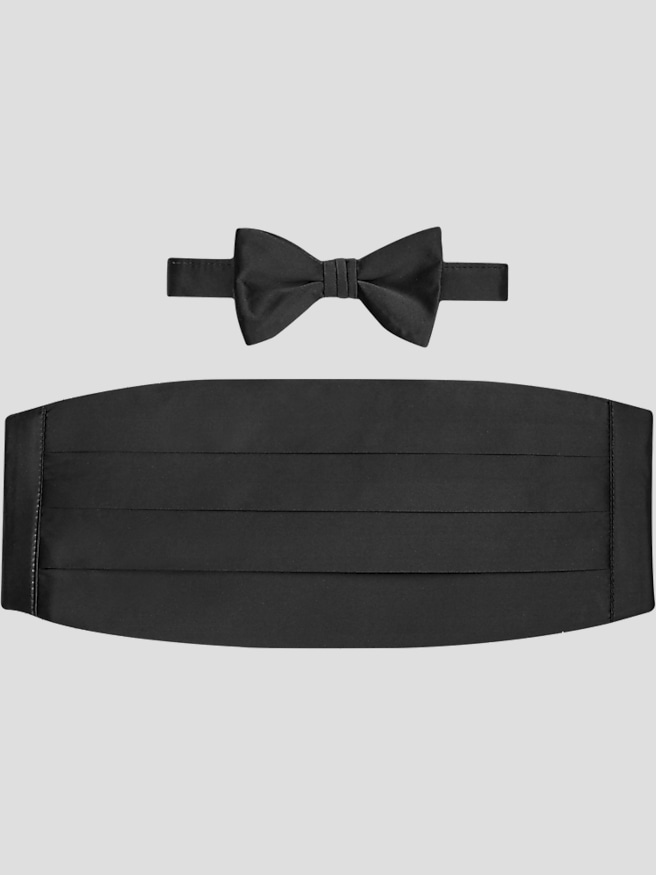
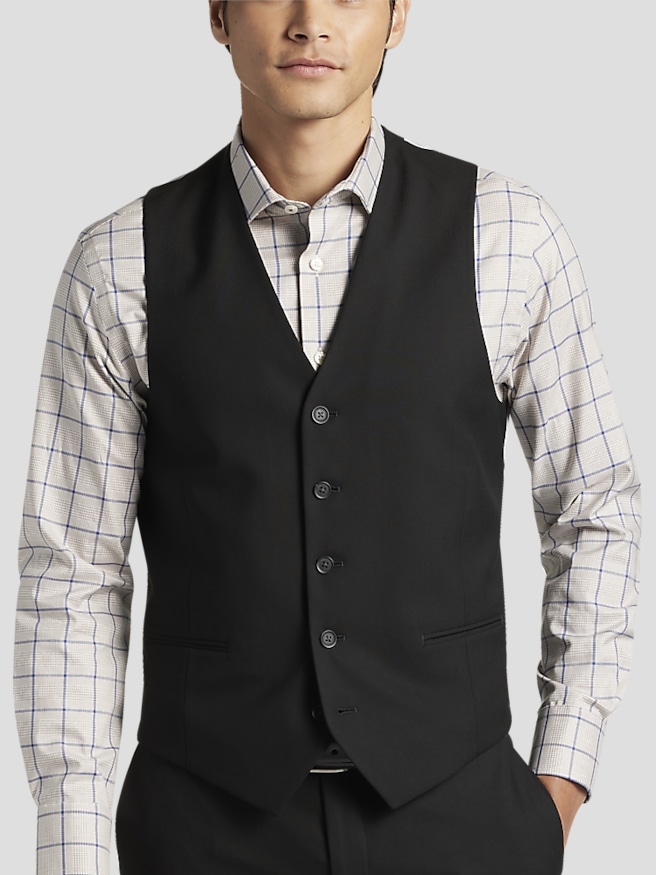
Tuxedo vests and formal vest sets add a finished layer to formalwear for weddings, proms, galas, and other dress-up occasions. A tuxedo vest covers the waistband of the trousers and creates a smooth transition between the shirt and jacket, while a formal vest set pairs the vest with coordinating accessories, which may include a bow tie, necktie, or pocket square. The components vary by set, but the purpose is consistent: bringing the central elements of an outfit together through color, fabric, and proportion. Beneath an open tuxedo jacket, a well-proportioned vest frames the shirtfront without competing with the lapels. When the jacket comes off at a reception, the vest keeps the outfit looking composed rather than unfinished. Traditional evening styles often have a lower neckline that leaves more of the formal shirt visible, while higher-cut designs create a fuller panel of color or texture across the chest. That distinction matters when pairing a vest with a particular jacket and shirt, especially if the shirt has pleats, studs, or a textured bib. For a conventional black-tie event, an understated vest designed for evening wear maintains the formality of the tuxedo; more expressive colors and patterns work best when the invitation and hosts allow flexibility. Wedding attire may use a vest to connect the groom’s look with the wedding party, while a prom outfit might feature a subtle woven pattern that becomes noticeable up close. Deep, restrained colors tend to recede beneath a jacket, while lighter shades create a stronger contrast against dark lapels. The effect can be quiet and traditional or more personal, but the vest should still feel like part of the outfit. Coordinated accessories help establish that relationship without requiring every visible detail to have the same finish. A smooth bow tie, a lightly textured vest, and a crisp shirt can look cohesive because their proportions and tones work together.
Fabric and construction influence how a formal vest looks in photographs, how it feels through a long event, and how well it holds its shape afterward. Common formalwear fabrics include wool, polyester, silk, and blends, with smooth satin finishes or woven jacquard patterns adding varying degrees of sheen and texture. Satin describes a weave rather than a single fiber, so the fiber content and care label provide useful information beyond the surface appearance. A lustrous fabric catches light across the chest, while a matte weave gives the outfit a quieter finish. Small-scale patterns can add depth without becoming the focal point, particularly when the jacket already has satin or grosgrain lapels. Fabric weight, lining, and construction also affect comfort; a smooth lining helps the vest move over a dress shirt rather than cling to it when sitting or reaching. Fit should look close and deliberate without pulling at the buttons. The front needs enough length to cover the trouser waistband during normal movement, with no strip of shirt showing between the vest and trousers. At the same time, excess length can bunch at the lap or distort the pointed hem. Armholes should sit neatly without cutting into the underarm, and the neckline should complement the shirt collar and neckwear. An adjustable back strap can refine the waist, but it cannot correct a chest or shoulder area that is fundamentally too large or too small. A useful fit check includes sitting at a dinner table, raising the arms for a greeting, and fastening the jacket over the vest. The fabric should remain reasonably smooth through those movements, with no sharp horizontal creases radiating from the buttons. For someone between sizes, chest measurements, torso length, and the intended shirt all matter more than relying on a familiar casual-clothing size. Neat buttonholes, secure buttons, even stitching, and a lining that lies flat are practical details worth attention, especially for a vest intended to accompany several formal occasions.
Coordinating a formal vest set is as much about balance as matching. A patterned vest usually benefits from simpler neckwear, while a solid vest leaves more room for texture in the tie or pocket square. If a set includes matching accessories, the jacket, shirt, and shoes can provide the contrast that keeps the outfit from looking flat. The event’s dress code remains the starting point: traditional black tie calls for a tuxedo and appropriate evening accessories, whereas other formal celebrations may allow a tailored suit with a vest and necktie. A vest does not turn a business suit into a tuxedo, but it can give suitable wedding or occasion attire a more complete appearance. For a broader view of coordinated tailoring, Suits and Vests connects this finishing layer with the rest of a dressed-up wardrobe. Thoughtful care helps preserve that appearance beyond a single celebration. Follow the garment’s care label, since the shell fabric, lining, and any decorative details may have different cleaning requirements. Avoid treating every vest as machine washable, and leave stain removal to a qualified cleaner when the label or fabric calls for professional care. After wearing, empty the pockets, let the vest air out, and store it without crowding or crushing the front. A suitable hanger helps maintain its shape, while ties and pocket squares benefit from storage that avoids tight knots and deep creases. Pressing should follow the labeled temperature guidance, with particular care around shiny fabrics that can develop marks under direct heat. These habits are especially useful for people who attend recurring formal dinners, perform onstage, or keep occasionwear ready for family celebrations. A vest set can also be a thoughtful gift for a graduate, groom, or partner with an upcoming formal event, provided the recipient’s measurements, preferred colors, and dress requirements are known. The most useful choice fits the person as well as the occasion, allowing the vest and accessories to become dependable parts of a formal wardrobe.