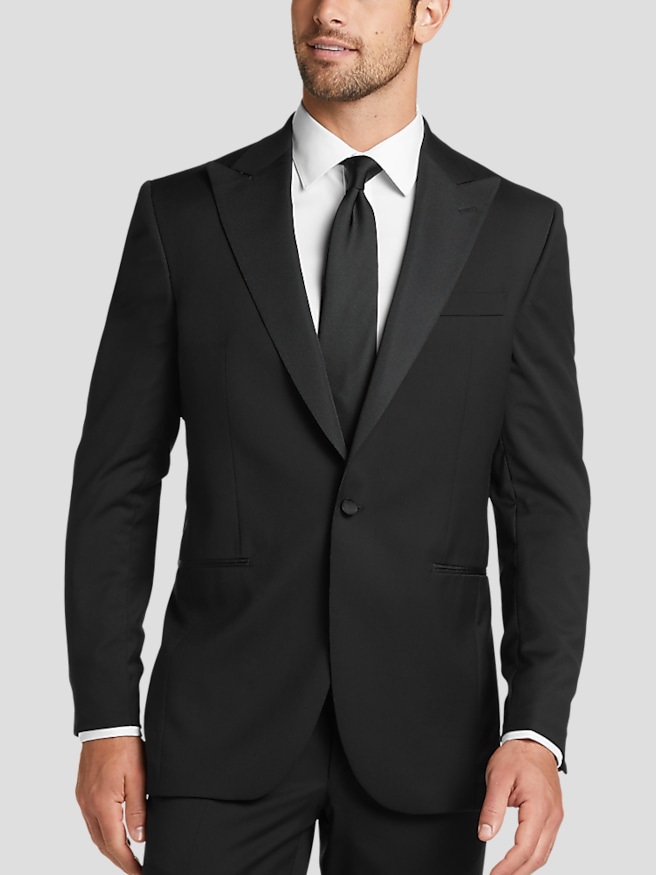
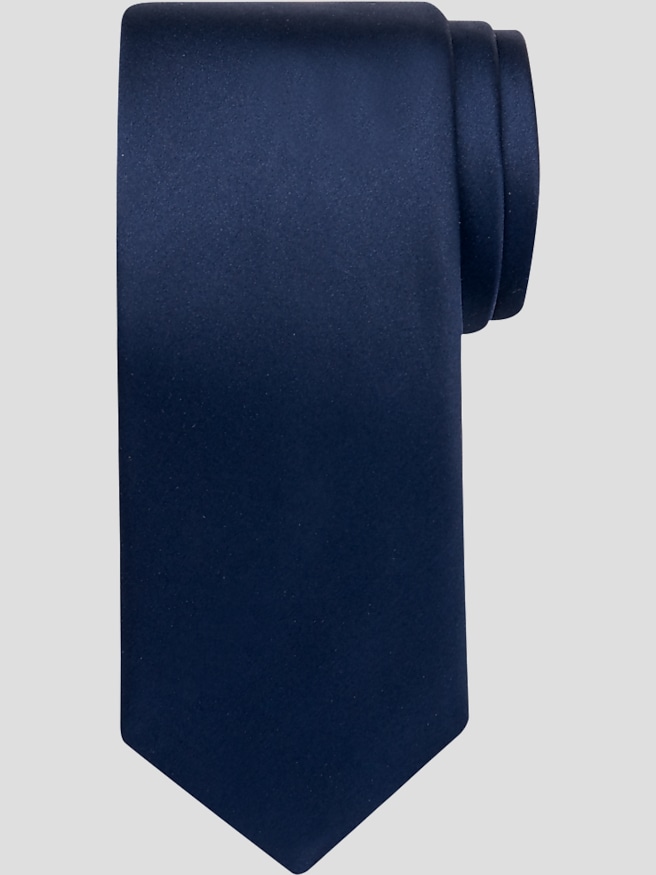
Trendy smart casual suits for prom night combine the clean lines of tailoring with relaxed styling, such as an open-collar shirt, a fine-knit polo, or understated footwear. The result feels dressed for the occasion without relying on a tuxedo’s satin details or a fully formal shirt-and-tie combination. For students whose prom dress code allows a more relaxed approach, a coordinated jacket and trousers create a clear foundation: polished enough for portraits, comfortable enough for dinner, and easy to make personal. A two-piece suit keeps the overall look cohesive, while the cut determines much of its character. Slim-fit tailoring sits closer through the chest, waist, and leg for a defined outline; a modern fit offers a little more room while maintaining a shaped silhouette. A straighter trouser can give the same suit a more relaxed attitude, particularly when the hem falls neatly over the shoe instead of gathering around it. The most convincing fit is not necessarily the narrowest one. Jacket shoulders should follow the natural shoulder line, lapels should lie flat, and the front should close without pulling into an X-shaped crease around the button. Trousers need enough room through the seat and thigh for sitting through dinner or stepping onto the dance floor. Sleeve length matters in photographs, too: a small glimpse of shirt cuff adds definition when a long-sleeve dress shirt is part of the outfit. For someone wearing a suit for the first time, these proportions can make tailored clothing feel familiar rather than restrictive. Smart casual prom dressing leaves space for personality, whether that means a muted color, a textured fabric, or a simpler shirt beneath the jacket. The strongest combinations still look intentional from head to toe, with a consistent level of polish rather than a formal jacket paired with pieces that look ready for the gym. A little ease belongs in the fit; excess fabric and pulling seams do not.
Color and texture give smart casual prom suits much of their appeal. Navy and charcoal offer a grounded backdrop for lighter shirts, while medium gray, tan, cream, and muted blue create a softer visual effect. Earth tones can feel distinctive without depending on a bold print, and a pale shirt can introduce color without competing with the suit itself. Subtle checks, woven texture, and tonal patterns add depth that becomes more noticeable up close; solid fabrics tend to keep attention on the silhouette and the person wearing it. Fabric composition also affects how a suit feels throughout a long evening. Wool has natural resilience and can drape cleanly without looking stiff, while wool blends bring together different fibers for a balance of structure, texture, and wear. Cotton often has a more matte, relaxed appearance. Linen and linen blends contribute visible texture, though natural creasing is part of their character rather than a flaw. Fabrics containing a small amount of stretch may provide additional give, but a stretch label does not replace adequate room through the shoulders and legs. Lining and jacket construction matter alongside fiber content: a softly constructed jacket can feel less rigid, while a more structured chest creates a sharper outline. Underneath, a smooth knit polo gives the neckline definition without a tie, and an open-collar dress shirt keeps the look closer to traditional occasionwear. A plain, substantial crewneck can work for a deliberately relaxed outfit when the event permits it, but thin, faded, or graphic tees pull attention away from the tailoring. Clean, minimal sneakers belong only where the dress code supports them; loafers and simple lace-up dress shoes offer a more polished alternative. For another take on this balance of tailored clothing and relaxed details, Dressy Casual Prom Evening Style explores a closely related aesthetic. Whatever the combination, prom’s stated expectations take priority over a trend, especially when the invitation calls for formal or black-tie attire.
The finishing details help a smart casual suit feel complete without making it fussy. A leather belt in a compatible tone with the shoes creates continuity, while trousers designed with side adjusters can keep the waistline visually simple. Socks can blend with the trousers for an uninterrupted line or add a restrained touch of color that appears when seated. A pocket square is optional, and a soft fold usually suits this relaxed direction better than an elaborate arrangement. Keeping patterns limited allows fabric, fit, and proportion to do more of the work. Practical comfort deserves the same attention as appearance: a shirt should stay comfortably tucked when reaching forward, a collar should sit neatly beneath the jacket, and shoes should feel secure during more than a few steps across a bedroom floor. Photos, dinner, and dancing ask different things of the same outfit, so ease of movement matters throughout. Quality construction supports repeated wear beyond prom, with secure buttons, tidy seams, and pocket openings that lie flat. A versatile suit can move on to graduation celebrations, family occasions, college presentations, or other events with a change of shirt and shoes, provided its styling suits the setting. Care helps preserve that usefulness. The garment’s care label should determine cleaning methods, since fiber blends, linings, and internal construction can require different treatment. After wear, emptying the pockets and placing the jacket on a broad, shaped hanger helps it retain its form; trousers benefit from hanging neatly rather than remaining folded over a chair. Light brushing can remove surface dust, while stains deserve attention appropriate to the fabric instead of aggressive rubbing. Cleaning when needed, rather than automatically after every outing, limits unnecessary treatment. A breathable garment bag provides protection between occasions once the suit is clean and dry. These details support the lasting appeal of smart casual tailoring: an outfit with enough presence for prom pictures and enough versatility to become part of a useful occasionwear wardrobe.