Black ties have a place in nearly every well-rounded wardrobe, from everyday business dressing to the most formal evening occasions. A classic black necktie creates a clean, dependable finish against a white, blue, or subtly patterned dress shirt, while a black bow tie brings the polished character expected for black-tie events. When selecting a black tie, consider more than color alone. Fabric, finish, width, length, and texture all influence the impression it makes. Smooth silk offers a traditional, refined appearance that works well in professional settings, weddings, ceremonies, and evening celebrations. A matte weave can feel more understated and versatile, while a subtle pattern, ribbed texture, or woven surface adds dimension without sacrificing the easy coordination that makes black so useful. For a balanced silhouette, the tie should generally complement the lapel width of the suit jacket, and the finished length should reach the waistband or belt area. A neatly centered knot, a crisp collar, and a properly adjusted blade can make even a simple outfit look intentional. Black ties are also practical additions to a gift wardrobe. They suit graduates beginning a first professional job, members of a wedding party, fathers attending formal family celebrations, and anyone building a dependable collection of dress accessories. Because black coordinates naturally with charcoal, navy, gray, and black tailoring, it gives the recipient an accessory they can wear repeatedly rather than reserving for one occasion. During the cooler months, a black tie can sharpen a heavier wool suit or textured sport coat, while its straightforward color remains appropriate for indoor events, business gatherings, and formal dinners throughout the season.
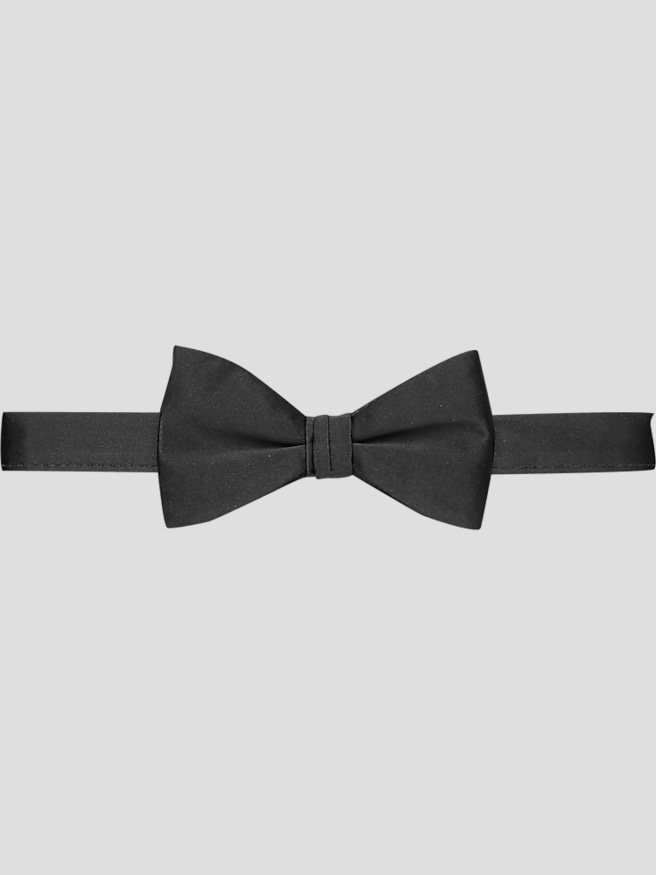
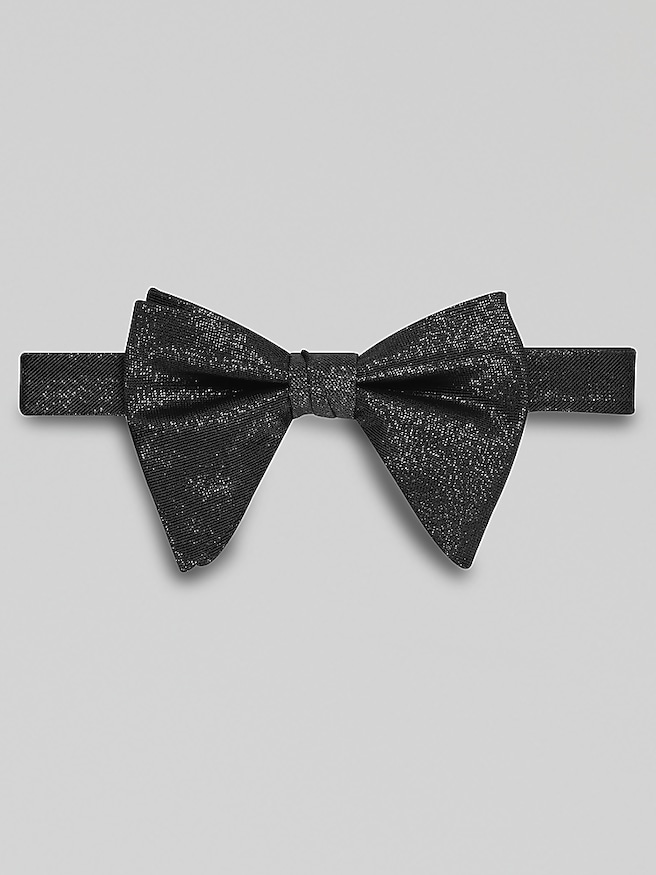
For an invitation that specifies black tie, the neckwear choice is part of a complete formal system rather than an isolated accessory. Traditional black-tie attire for men typically includes a black or midnight blue tuxedo jacket with satin or grosgrain lapels, matching trousers with a coordinating stripe along the outer seam, a crisp white formal dress shirt, and a black bow tie. A cummerbund or low-cut evening waistcoat may be worn to create a clean transition at the waist, and formal cufflinks, shirt studs, and polished black evening shoes complete the presentation. A self-tied bow tie has a naturally elegant shape and small variations that make the outfit feel personal, while a pre-tied style offers convenience and a consistently neat appearance. The bow should sit securely at the collar without pulling the shirt upward or leaving excess space at the neck. For guidance on coordinating formal neckwear with dark tailoring, explore Bow Tie On Black Suit. Even when an event is not strictly black tie, a black bow tie can be useful for galas, formal receptions, milestone anniversaries, evening weddings, and other celebrations where a traditional tuxedo-inspired look is appropriate. The distinction between a standard black tie and a black-tie bow tie matters: a long necktie is generally associated with business or semiformal suiting, while a bow tie is the conventional choice when the invitation calls for black tie. Checking the dress code, venue, time of day, and level of formality before purchasing helps ensure the accessory feels appropriate rather than overly dressed or too casual.
Fit and finish are especially important when an accessory is used for photographs, ceremonies, and events where small details remain visible at close range. Look for construction that allows the tie to hold its shape without appearing stiff, and consider how the material works with the rest of the outfit. A glossy finish can echo the satin details on a tuxedo, whereas a more subdued texture may blend naturally with a matte suit or a less formal evening jacket. Keep other accessories restrained so the black tie remains part of a cohesive look: a simple pocket square, understated cufflinks, and well-maintained shoes often provide enough detail. For a long necktie, learn one reliable knot and adjust it until the dimple rests neatly beneath the knot; for a bow tie, center the band and check that the ends sit evenly on either side of the collar. Storing ties flat or loosely rolled, rather than crushed beneath heavier clothing, helps preserve their shape between wears. A black tie can be packed for a destination wedding, kept at the office for unexpected formal obligations, or presented as a thoughtful gift for someone entering a new stage of work and social life. It is equally at home beneath a tailored suit at a daytime ceremony and beneath formal eveningwear at a candlelit reception. Choosing the right proportion and finish turns a simple dark accessory into a reliable foundation for dressing with confidence across professional occasions, celebrations, and formal events.