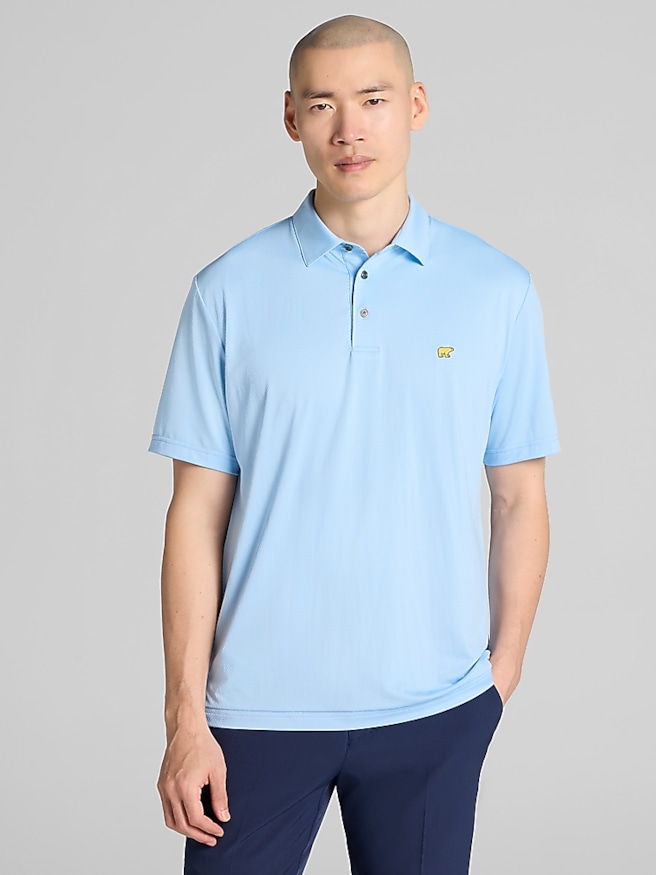
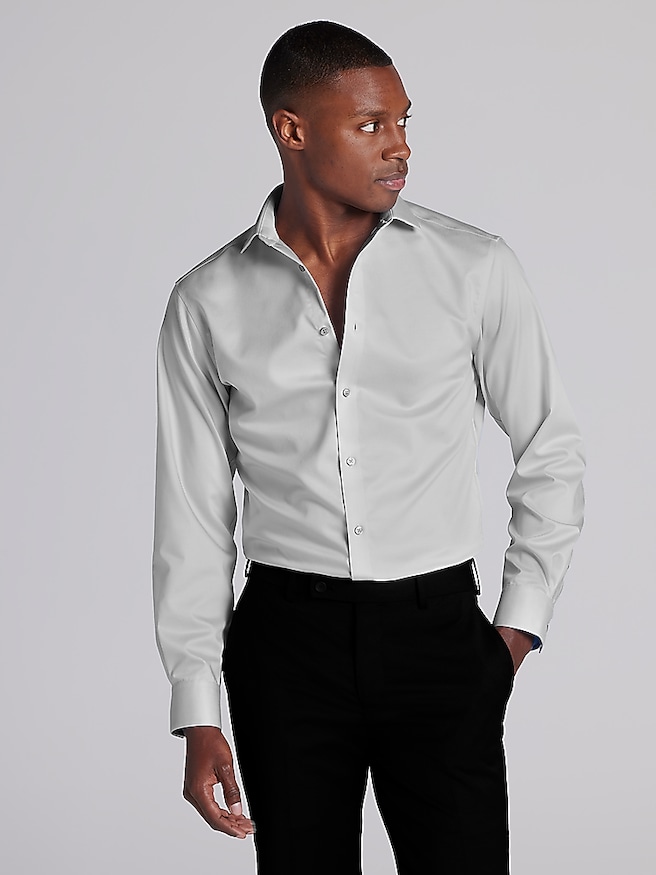
Textured shirts bring depth to an outfit without relying on a bold print or a bright color. A raised weave, a softly grained surface, or a subtle pattern worked into the fabric gives a shirt character that becomes more noticeable up close. From across a room, the look can remain clean and understated; at a dinner table or in a meeting, the detail adds another point of interest. That balance makes texture useful for men who want something beyond a smooth solid shirt while keeping their clothing easy to combine. The effect depends on both the fabric and the way it is constructed. Dobby weaves can create small geometric details, while jacquard construction allows patterns to become part of the cloth rather than sit on its surface. Twill introduces diagonal lines, and slub yarns create irregularities that give fabric a more relaxed appearance. Some textures are crisp and defined; others are subtle enough to read almost as a solid. Cotton often provides a familiar, breathable feel, while linen contributes natural variation and a less uniform finish. Blended fabrics may add stretch, help a shirt retain its shape, or simplify care, depending on their composition. Fabric weight matters, too: a fine, lightly textured weave generally layers more smoothly beneath a jacket, while a more substantial construction can give a shirt presence when worn on its own. Texture and pattern are not the same thing, although they can work together. A single-color shirt may have considerable surface detail, while a patterned shirt can feel perfectly smooth. For an understated wardrobe, tonal texture offers a way to introduce variety without making every piece compete for attention. White, blue, gray, and other versatile shades let the weave do much of the work, while deeper colors can make raised details appear more pronounced through light and shadow. The result can feel refined, relaxed, or somewhere between the two, depending on the construction and the rest of the outfit.
Fit determines how that texture looks once the shirt is in motion. A shoulder seam that sits near the edge of the shoulder helps the upper body look balanced, while enough room across the chest allows the fabric to lie naturally rather than pull between buttons. A close fit can look sharp, but it should still allow comfortable reaching, sitting, and bending. Fuller cuts offer more ease through the torso, and shaped cuts reduce excess fabric around the waist; neither replaces the need for comfortable shoulders and sleeves. With textured cloth, especially, excessive tightness can distort the weave and draw attention to tension across the body. The collar should frame the face without feeling restrictive when fastened, and cuffs should sit neatly at the wrist without disappearing over the hand. Length also affects the finish. A shirt intended to stay tucked needs enough fabric below the waistband to remain secure through ordinary movement, while an untucked shape should end at a proportion that complements the trousers rather than cover most of them. The appeal of Textured Button Ups lies in their balance of familiar structure and visible detail. Paired with tailored trousers and leather shoes, a subtle weave can feel appropriate for an office presentation or a restaurant dinner. With chinos or dark denim, that same kind of shirt can look more relaxed without seeming unfinished. Beneath a smooth jacket, texture adds contrast without requiring another pattern. When the shirt has a pronounced surface, quieter trousers and accessories give it space to stand out; when the texture is barely visible, a patterned tie or jacket can add definition. The intended setting still matters, and a textured shirt should complement the expected level of dress rather than substitute for it. For a gift marking a graduation, a new job, or a birthday, a versatile color and a familiar fit can make the choice more personal and easier to wear.
Long-term satisfaction comes from how the fabric feels, how the shirt is made, and how well its care requirements fit everyday routines. Texture alone does not determine durability. A raised or open surface may need more attention around rough bag straps, sharp jewelry, or other sources of friction, while a dense weave can behave differently from a loose one even when the fiber content is similar. Neat stitching, secure buttons, and well-finished seams are useful details to consider because they support the shirt through repeated wear and cleaning. The care label remains the best starting point: cotton, linen, stretch blends, and more intricate constructions do not all respond to the same wash and drying methods. When machine washing is permitted, fastening buttons as directed, separating clothing with exposed hooks or rough hardware, and avoiding an overloaded machine can help reduce unnecessary abrasion. Promptly removing a shirt after washing or drying can limit deep creases, although some fabrics naturally retain more wrinkles than others. Pressing also deserves care. Heavy pressure may flatten a raised surface, and excessive heat can affect certain fibers or finishes, so the recommended setting and a pressing cloth can matter. Steaming may help release light wrinkles when the care instructions allow it, but the goal is not always a perfectly flat finish; natural variation is often part of the fabric’s appeal. A suitable hanger helps preserve the shoulders between wears, and giving the shirt room in the closet keeps its surface from being tightly compressed. These practical details make a difference for someone wearing textured shirts to work several days a week, packing one for a business trip, or choosing a more polished option for an evening out. A comfortable fit, a weave that suits the occasion, and manageable care needs give texture a lasting place in a wardrobe rather than making it a detail reserved for occasional wear.