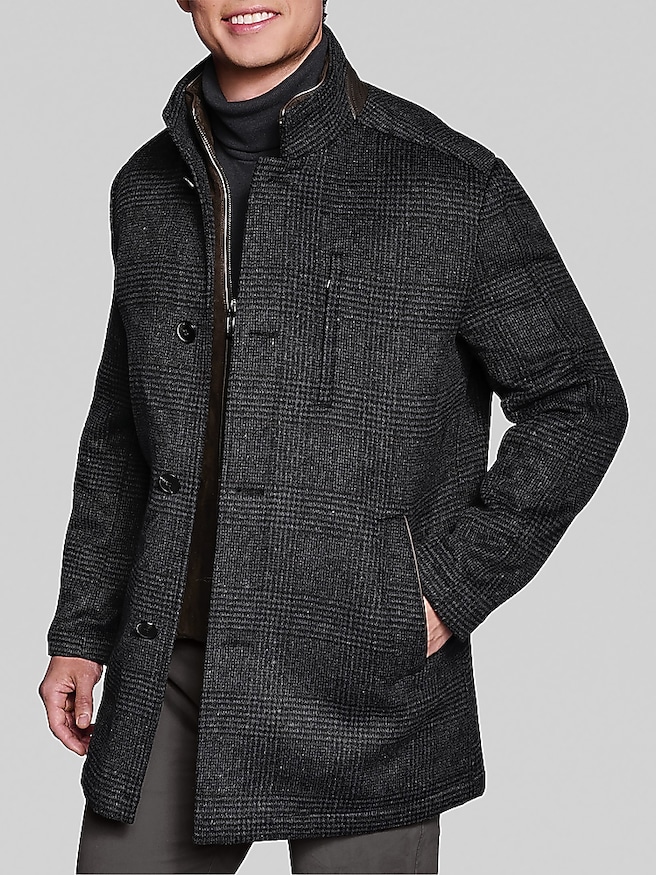
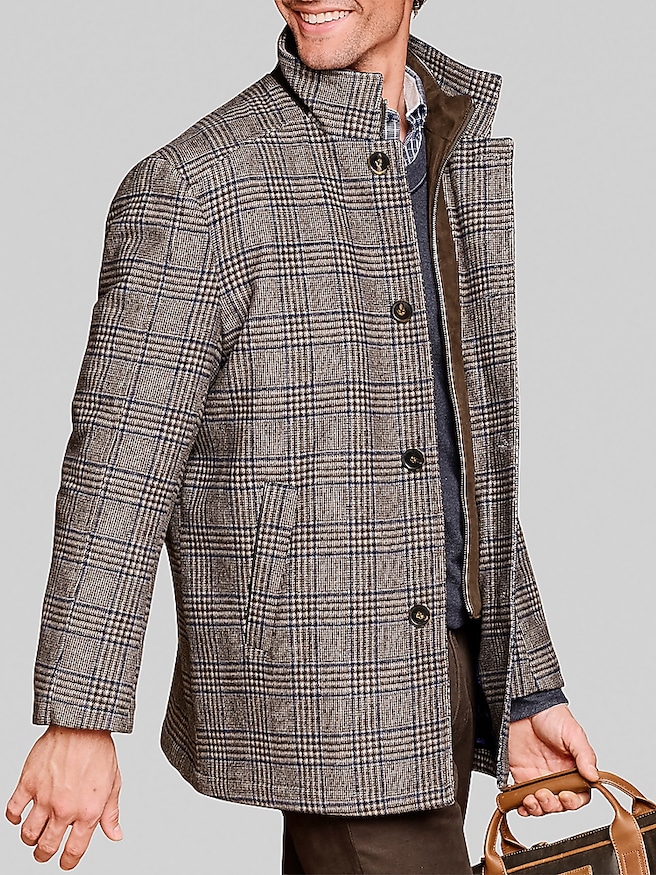
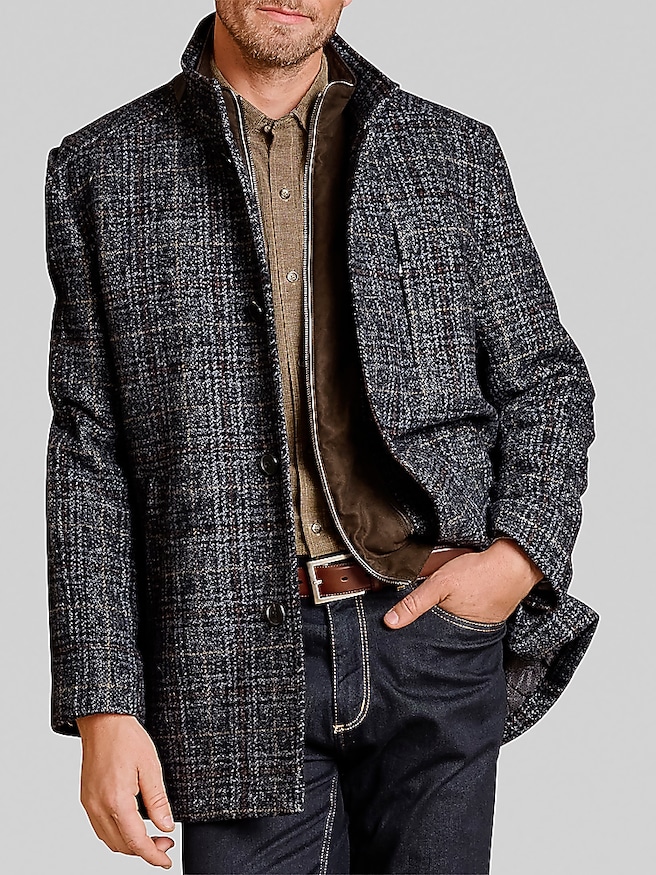
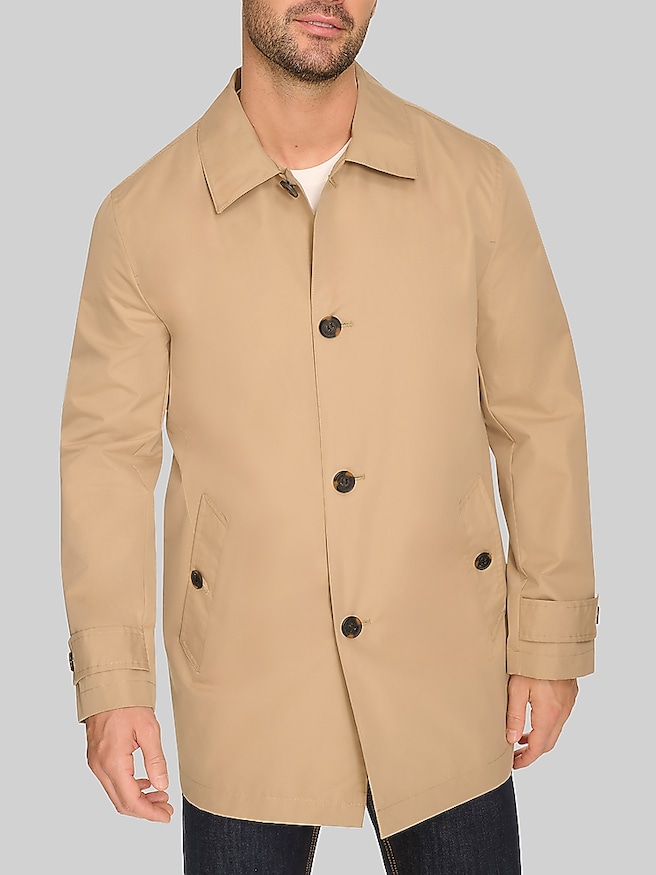
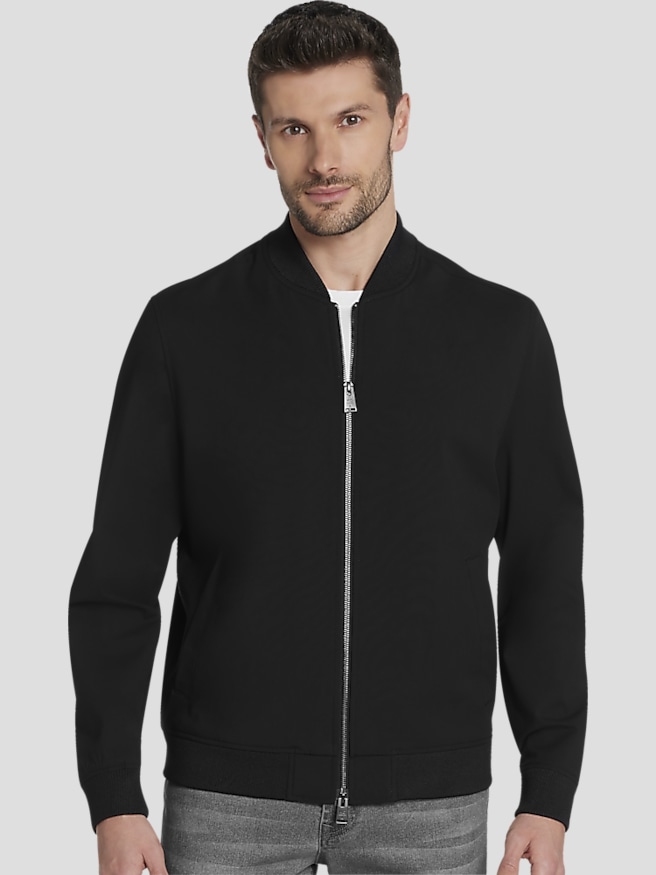
Tech jackets are outerwear designed to combine technical fabrics, practical construction, and a streamlined appearance for everyday movement. Rather than relying on a rugged look alone, they emphasize useful performance: stretch for reaching and sitting, pockets that keep essentials secure, and fabrics selected for properties such as abrasion resistance, breathability, or protection from wind and light rain. The term covers a broad range of designs, so a tech jacket is not automatically waterproof, insulated, or suited to demanding outdoor activity. Its capabilities depend on the fabric, construction, and stated performance features. Nylon and polyester are common shell materials because they can provide strength without excessive weight, while elastane blends add flexibility. A woven stretch shell may feel smooth and structured; a softer knit construction may move more like a sweatshirt. Some designs have a bonded backing or brushed interior for added comfort, while others use a separate lining that slides easily over a shirt. Water-resistant finishes help moisture bead on the surface, but they do not provide the same protection as a waterproof construction with sealed seams. Likewise, a water-resistant zipper does not make an entire jacket waterproof. Breathability matters when walking briskly between a train station and an office, especially with a backpack over one shoulder. A highly protective shell can feel less comfortable during sustained movement if moisture has nowhere to escape. Ventilation openings, mesh-lined sections, and adjustable closures can help manage comfort, although their presence varies by design. These distinctions make tech jackets useful for commuters, travelers, and anyone who prefers everyday clothing with a practical purpose. The appeal is often quiet rather than futuristic: a clean front, discreet pockets, and a shape that works with chinos or jeans. More visibly technical silhouettes can serve the same everyday needs, but extra hardware and numerous compartments are not requirements. What matters is how the construction supports the way the jacket will actually be worn, whether that means driving to work, walking across a campus, or carrying a few essentials through an airport.
Fit gives a tech jacket much of its usefulness. The shoulders should sit comfortably without pulling across the upper back, and the sleeves should allow an easy reach toward a steering wheel or an overhead luggage compartment. Stretch fabric helps, but it cannot fully compensate for a jacket that is too narrow through the chest or upper arms. With the front closed, there should be enough room for the intended layers without a strained zipper or horizontal lines across the torso. A closer fit can look sharp over a polo or button-down shirt, while a slightly roomier cut accommodates a sweater without compressing the sleeves. The hem also changes how a jacket feels in motion. A shorter length can be comfortable when seated, while a longer cut offers more coverage when bending or reaching. Adjustable cuffs help keep sleeves from sliding over the hands, and a hem adjustment can refine the shape without requiring an overly tight fit through the body. Collar construction deserves attention, too: a soft inner facing or zipper guard can prevent rubbing when the jacket is fully fastened. A hood may be useful for exposed walks, but its fit should allow a clear view to either side. Pocket placement is another small detail with a noticeable effect. Hand pockets should be easy to reach, and secure chest or interior pockets can keep a phone or wallet from shifting around. Bulky contents can distort a streamlined silhouette, so more pockets do not always mean better organization. For everyday styling, matte finishes and restrained detailing pair easily with textured knits, cotton shirts, and straight-leg trousers. A sleek technical shell can complement business-casual clothing without trying to imitate a tailored blazer. For travel, a flexible jacket that feels comfortable while seated and keeps essentials accessible can earn its place in a carry-on. Those comparing technical outerwear with lighter seasonal layers can also explore spring jackets, keeping fabric weight, lining, and intended use in mind rather than assuming that similar silhouettes offer identical performance.
Durability in tech jackets comes from the combination of material quality, construction, and appropriate care—not simply from a thick shell or a heavy zipper. High-friction areas such as cuffs, pocket edges, and the fabric beneath backpack straps tend to show wear first. Tightly woven shells can offer good resistance to everyday abrasion, while stretch panels may improve comfort in areas that move repeatedly. Ripstop construction can help limit the spread of a small tear, but it does not make fabric impossible to damage. Even stitching, neatly finished seams, and securely attached pocket openings are useful signs of careful construction. Hardware should move smoothly without catching the lining, and closures should feel secure without requiring force. Care requirements vary considerably, especially when a jacket includes a membrane, bonded layers, insulation, or a water-repellent finish. The care label should determine whether it can be machine washed, which cycle and detergent are appropriate, and how it should be dried. Fabric softeners can interfere with some technical finishes, and high heat can damage certain fabrics or components. For designs with a durable water-repellent treatment, surface beading may diminish with wear and dirt buildup; cleaning or renewing that finish should follow the manufacturer's instructions rather than a general household remedy. Emptying pockets, securing closures as directed, and letting the jacket dry completely before storage help protect both the fabric and its shape. Intended use should remain the deciding factor when comparing features. A comfortable everyday shell may be well suited to errands and commuting without having the protective construction needed for prolonged exposure or strenuous outdoor pursuits. Insulation adds warmth but also changes bulk and packability, while an uninsulated jacket leaves more flexibility for adjusting layers underneath. As a gift, a tech jacket can be a practical choice for a frequent traveler, an active commuter, or someone who favors uncomplicated casual clothing. Familiarity with the recipient's usual fit, preferred colors, and daily routine is more helpful than choosing the longest feature list. The strongest choice is a jacket whose fabric, fit, and details work together naturally, making it easy to reach for and comfortable to keep wearing.