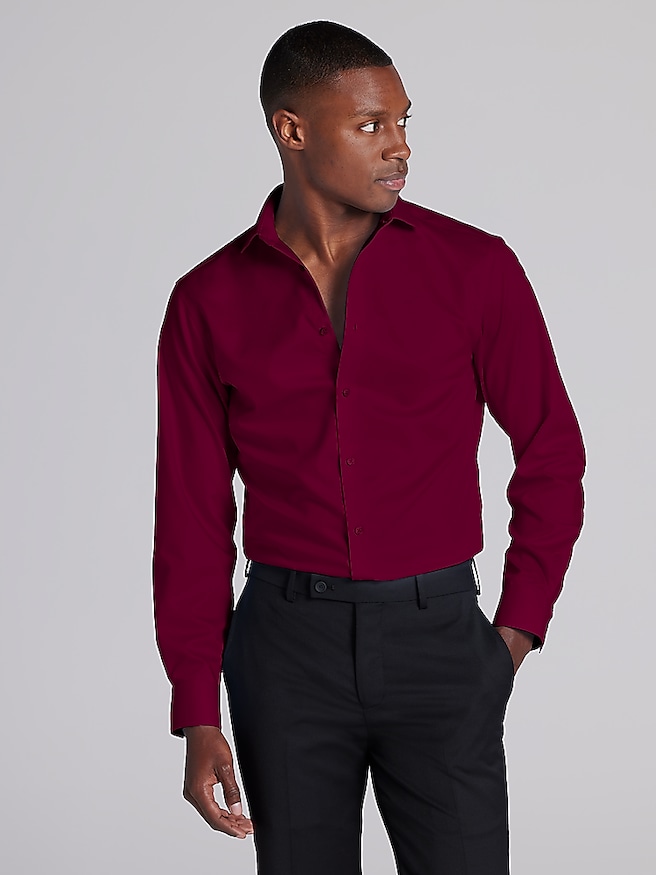
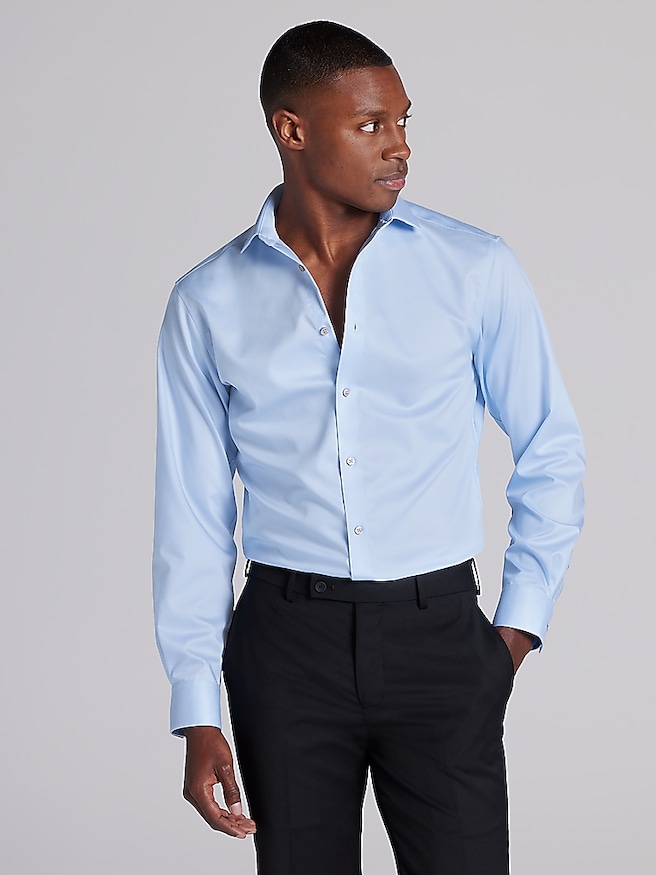
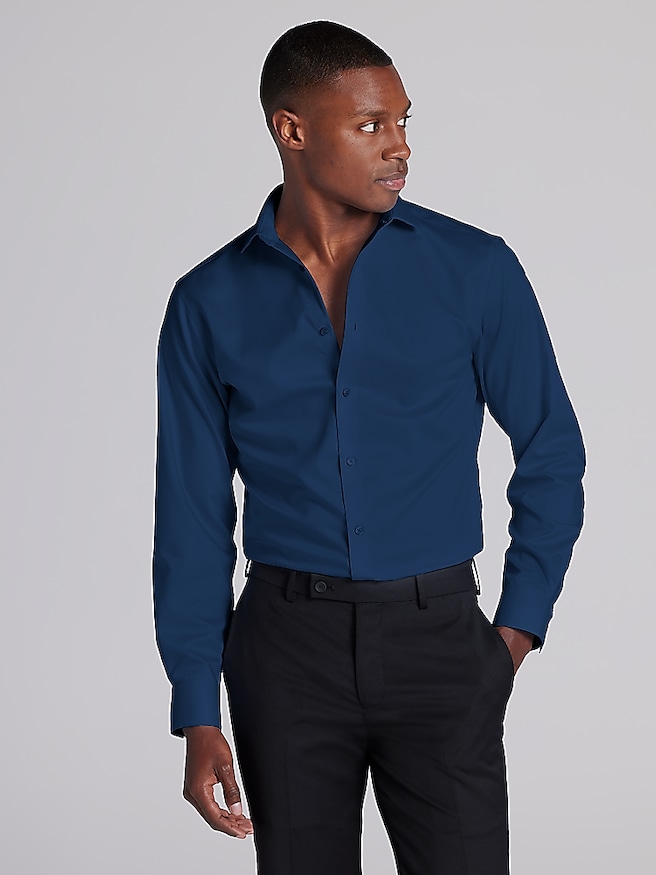
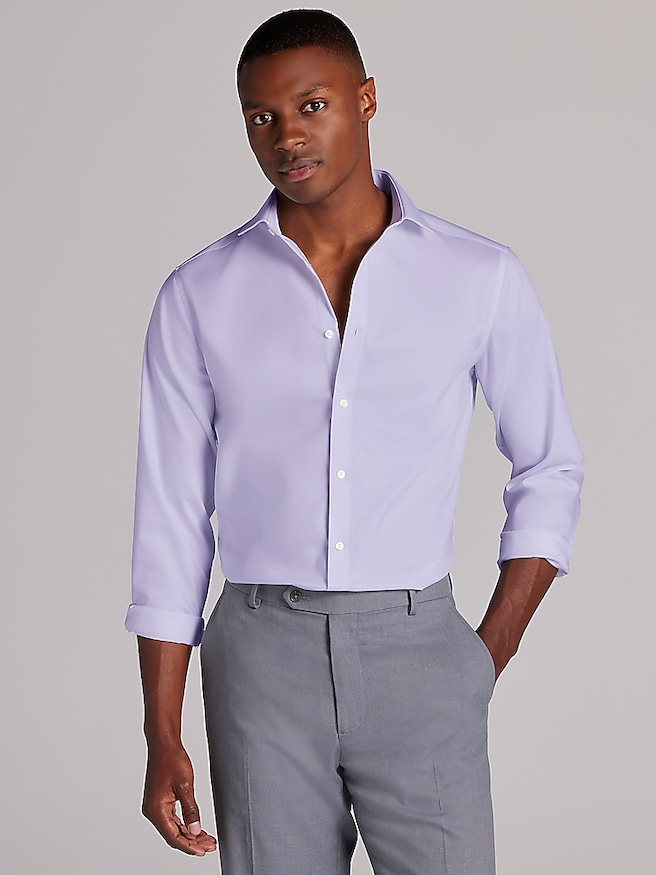
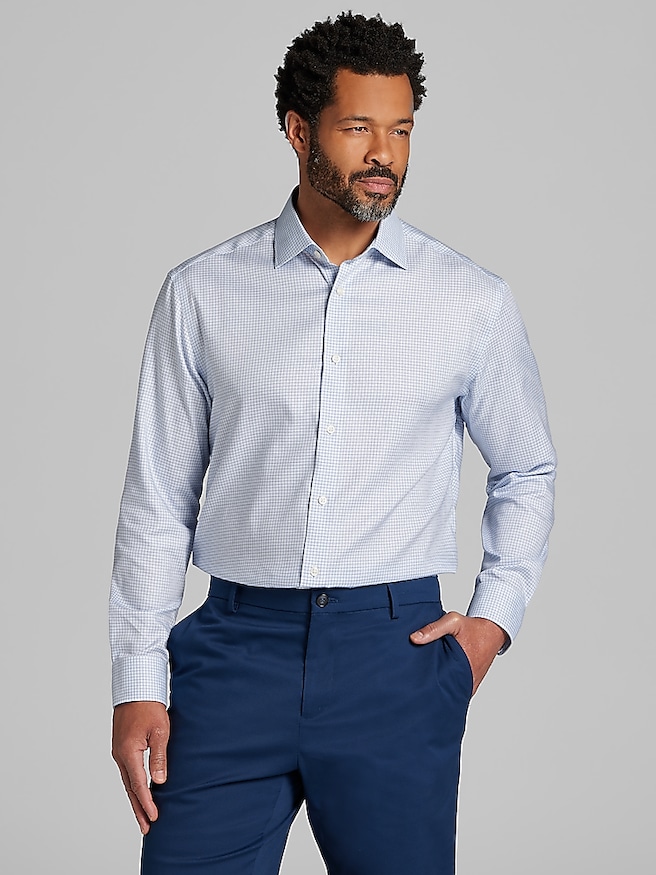
A tattersall shirt is a checked shirt distinguished by thin, evenly spaced horizontal and vertical lines, usually in two alternating colors, against a white, cream, or other light background. The intersecting lines form a regular grid of small squares, giving the fabric more detail than a solid shirt without the broad blocks of color associated with gingham or many plaids. Traditional tattersall checks are woven into the fabric, and cotton is a common choice for its breathability and comfortable feel. The pattern takes its name from Tattersall’s, the London horse market founded by Richard Tattersall in 1766, where checked horse blankets became associated with the business. That equestrian connection helped establish tattersall as part of British country clothing before it found a lasting place in everyday wardrobes. Today, men’s tattersall shirts can look equally natural beneath a textured sport coat or with chinos and rolled sleeves. Their appeal lies in the balance between a crisp, orderly pattern and an easygoing character. A blue-and-brown check on cream has a softer effect than sharply contrasting lines on bright white, while a closely spaced grid can appear almost solid from across a room. Up close, the individual colors give a jacket, sweater, or pair of trousers something to pick up on. Fabric construction influences that impression as much as color does: a smooth cotton weave tends to look cleaner and more polished, while a brushed surface lends softness and a more casual appearance. Lightweight fabrics are useful in heated offices and beneath layers during the cooler months; more substantial cloth provides a fuller feel without necessarily looking bulky. Tattersall describes the pattern rather than a single fabric weight, collar shape, or level of formality, so shirts within the category can serve quite distinct purposes. That flexibility makes the check a practical choice for anyone who likes the precision of a patterned shirt but wants something quieter than a large plaid.
Fit determines how well that versatility carries through a full day. A tattersall shirt should have enough room across the upper back and chest for reaching toward a steering wheel or sitting through a meeting without the placket pulling open. Shoulder seams generally sit near the natural edge of the shoulders, and sleeves should allow the elbows to bend comfortably without drawing the cuffs far up the arms. A trim cut creates a neat line beneath a blazer, while a classic or relaxed cut offers more space through the torso. Neither needs to look tight or oversized; the useful distinction is how the shirt sits on the body and under the clothing worn with it. For a shirt worn with a tie, a collar that closes comfortably matters just as much as chest room. A button-down collar brings a relaxed, traditional character and helps keep the points in place under a sweater, while a spread or point collar can give the same check a dressier appearance. Longer shirttails generally stay tucked more securely during movement, whereas a shorter hem may suit casual, untucked wear. These details shape the occasions where tattersall feels most at home. For an office with a business-casual dress code, a small blue check works comfortably with charcoal trousers, a navy blazer, and brown leather shoes. For dinner after work, the jacket can come off without leaving the outfit looking unfinished. On a cool weekend, a cream-ground check pairs naturally with corduroy pants and a plain crewneck sweater, with just the collar and a narrow section of cuff showing. Texture adds depth, but competing patterns need some separation in scale: a fine tattersall check is usually easier to combine with a broad jacket pattern than with another equally small grid. A solid tie that echoes one line in the check keeps the overall effect composed. Within the broader category of
Men's Fine Shirts, tattersall offers a distinctive option for everyday tailoring and relaxed occasions, though its country character generally makes it less suited to the strictest formal dress codes.
Materials, construction, and care all influence how a tattersall shirt wears over time. All-cotton fabric offers breathability and absorbency, with a feel that varies according to yarn, weave, and finishing. Cotton blends may offer easier maintenance or better wrinkle resistance, and a small amount of stretch can support movement in a closer cut. No fiber description alone guarantees softness or durability; fabric density, seam quality, and the treatment the shirt receives also matter. Even stitching, firmly attached buttons, and neatly finished seams are useful signs of careful construction. The collar edge and cuffs deserve particular attention because they see frequent friction and contact with skin. For routine care, the sewn-in label remains the best reference for washing temperature, drying method, and whether ironing is appropriate. Washing with similar colors and avoiding excessive heat can help preserve the light background and the clarity of the colored lines. Prompt attention to marks at the neck and wrists helps prevent buildup, while removing a washable shirt promptly after its cycle can reduce stubborn creasing. Where the care instructions permit, light pressing restores a crisp collar and placket; a brushed casual fabric may look better with a softer finish. Hanging shirts with room between them helps keep sleeves and collars from becoming crushed, and rotating everyday shirts gives each one a break from repeated wear and washing. Those practical qualities also make tattersall a thoughtful gift for someone whose wardrobe moves between office clothes and comfortable weekend layers. A familiar collar size, sleeve length, and preferred fit are more useful starting points than guessing from a general size alone. Subtle checks in colors already present in the recipient’s sweaters or jackets are especially easy to work into an established wardrobe. For the person who routinely reaches for a plain blue or white shirt, tattersall introduces pattern without requiring a new approach to getting dressed. Its fine lines bring interest to familiar combinations, whether the day calls for a jacket and trousers or soft knitwear and well-worn chinos.