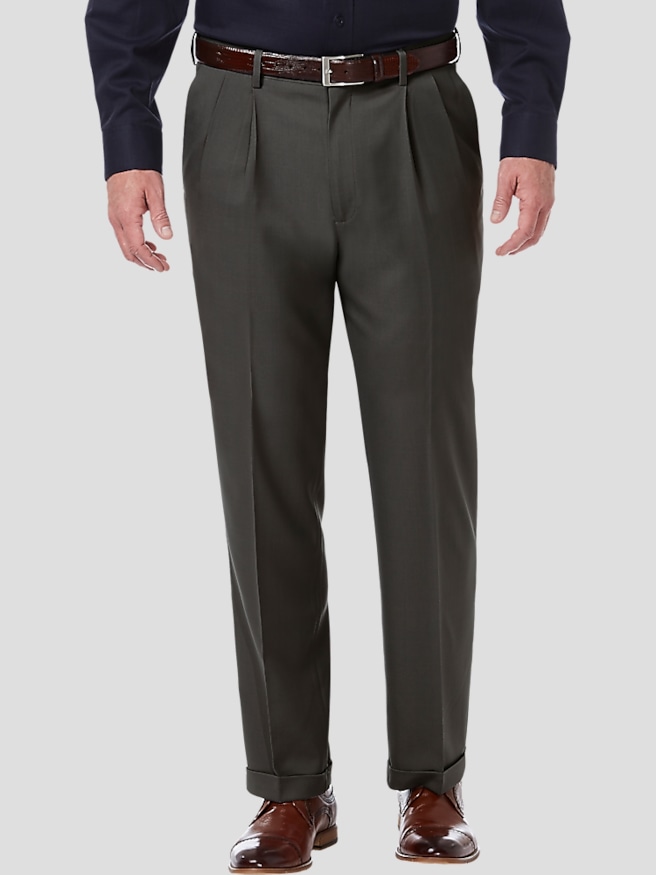
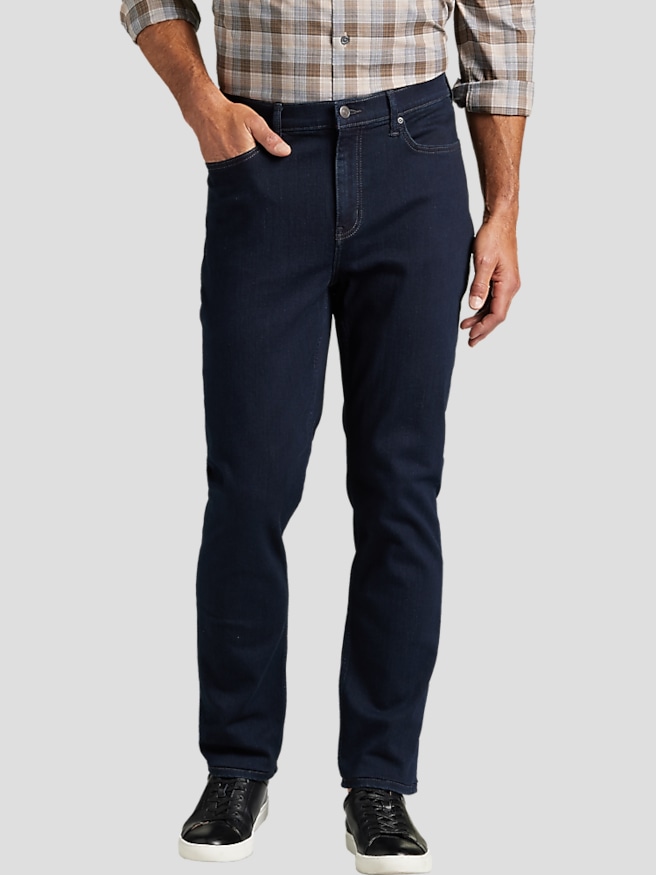
Tapered jeans for muscular legs combine extra room through the seat and thighs with a leg that narrows toward the ankle, creating a clean outline without requiring a tight fit everywhere. That balance matters for men with developed quads, fuller glutes, or substantial calves, whether their build comes from weight training, sports, physical work, or natural proportions. A waist that fits correctly should not mean thighs that feel squeezed, and comfortable thigh room should not require excess fabric pooling around the shoes. Athletic taper cuts address those competing needs by distributing room where a muscular build typically needs it. The proportions associated with Tapered Athletic Fit Jeans are especially relevant: a fuller upper leg paired with a narrower lower leg can look neat with a tucked shirt while remaining comfortable for everyday movement. Fit names are a useful starting point, though the actual measurements and feel matter more than the label alone. A tapered leg describes the shape, not necessarily how much space exists through the hips or thighs. Rise also affects comfort, particularly when a fuller seat pulls a low waistband downward while sitting. A mid-rise or higher-rise design may provide better coverage, depending on torso length and personal preference. Across the front, pockets should lie reasonably flat rather than flare outward under tension. Through the seat, the fabric should follow the body without pulling tightly across it or leaving a deep fold of unused material. Calf room deserves equal attention, since a strong taper can catch below the knee even when the thighs fit well. The most comfortable silhouette lets the denim fall past the calf instead of gripping it. An appropriate inseam finishes the shape, with a slight break or a clean hem near the top of the shoe rather than heavy stacking that hides the taper. There should still be enough ease to sit on a low bench, climb stairs, or take a full stride without the waistband digging in.
Fabric makes a noticeable difference in how that shape feels throughout the day. Cotton gives denim its familiar texture and structure, while a small amount of elastane or spandex can add stretch for bending, sitting, and walking. The stretch percentage alone does not tell the whole story: yarn construction, fabric weight, weave, and recovery all influence whether jeans feel supportive, soft, flexible, or loose after several hours. Recovery is particularly useful for muscular legs because fabric that stretches across the thighs should also return toward its original shape rather than remain baggy at the knees and seat. Stretch works best as a complement to sufficient room, not as a substitute for it. Jeans that rely on constant tension to accommodate the body can feel restrictive even when the denim is highly flexible. Cotton-rich blends with lyocell may offer a softer feel and more fluid drape, although lyocell itself should not be confused with an elastic fiber. More structured denim can hold a crisp outline, while a softer construction may feel easier during a long commute or an afternoon spent moving between errands. Neither fabric weight nor softness alone guarantees durability. Secure stitching, reinforced stress points, and a fit that avoids excessive rubbing all contribute to everyday wear. The inner thighs are a practical consideration for athletic builds, since repeated friction can gradually wear the fabric regardless of how substantial it initially feels. Care should follow the garment label, with washing inside out and avoiding unnecessary heat often helping preserve color and stretch performance. Washing with similar colors can reduce unwanted color transfer, and a gentle drying approach can limit shrinkage when the care instructions allow it. A clean hem that stays clear of the ground also avoids the abrasion that comes from repeatedly stepping on denim. With suitable care, the appeal is denim that remains comfortable and keeps its intended shape through regular use.
The narrower finish of tapered denim makes it easy to build outfits around a muscular frame without making the legs the sole focus. A smooth dark wash with minimal fading creates a more understated look for a casual office, a dinner reservation, or an evening out where jeans suit the setting. A medium blue wash feels relaxed with a crewneck T-shirt, an untucked button-down, or a textured polo. More visible fading brings a casual character, while a consistent wash keeps the line of the leg visually uninterrupted. Footwear changes the effect, too. Low-profile sneakers sit neatly beneath a tapered opening, and loafers can give dark denim a sharper finish without making the outfit feel formal. Boots need enough space at the hem for the shaft to sit comfortably; an opening that catches on the boot can cause the denim to bunch above it. The upper half of the outfit benefits from the same balance as the jeans. A shirt with comfortable room across the chest and shoulders generally looks more considered than one pulled taut against a fuller upper body, especially when the lower leg has a defined taper. A belt can finish the outfit, but it should not have to gather several inches of loose waistband simply to make room for the thighs. For men who alternate between a desk, a car seat, and time on their feet, this combination of shape and mobility is the real appeal of athletic proportions. The jeans can feel relaxed enough for a weekend lunch while looking tidy enough for everyday plans that call for more than workout clothes. As a gift, denim is most personal when the recipient’s waist, inseam, preferred rise, and usual thigh fit are already known; the same waist measurement can fit quite differently across cuts. Ultimately, well-proportioned tapered jeans give muscular legs room to move while maintaining a defined line from hip to hem, without forcing a choice between comfort above the knee and a neat finish below it.