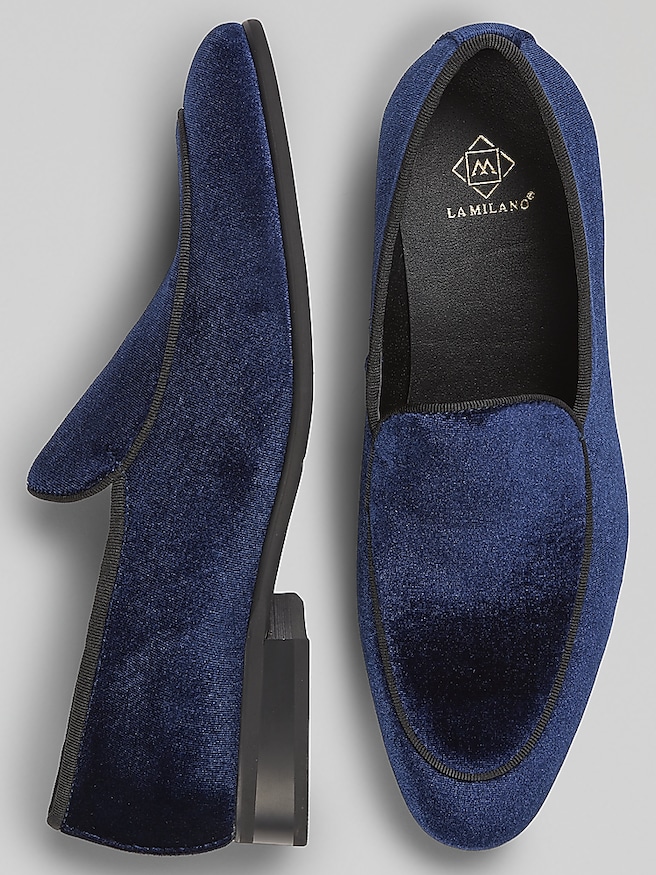
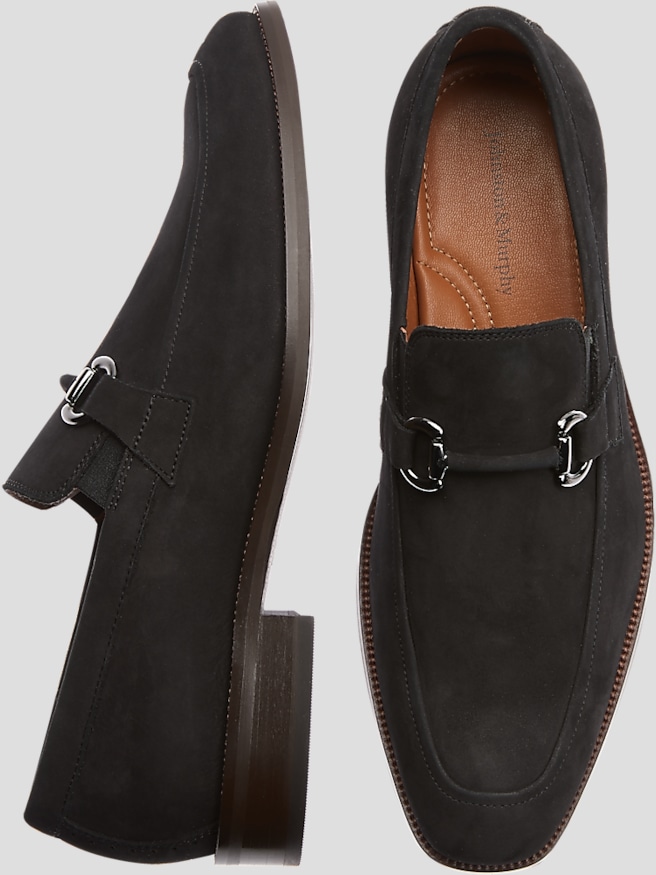
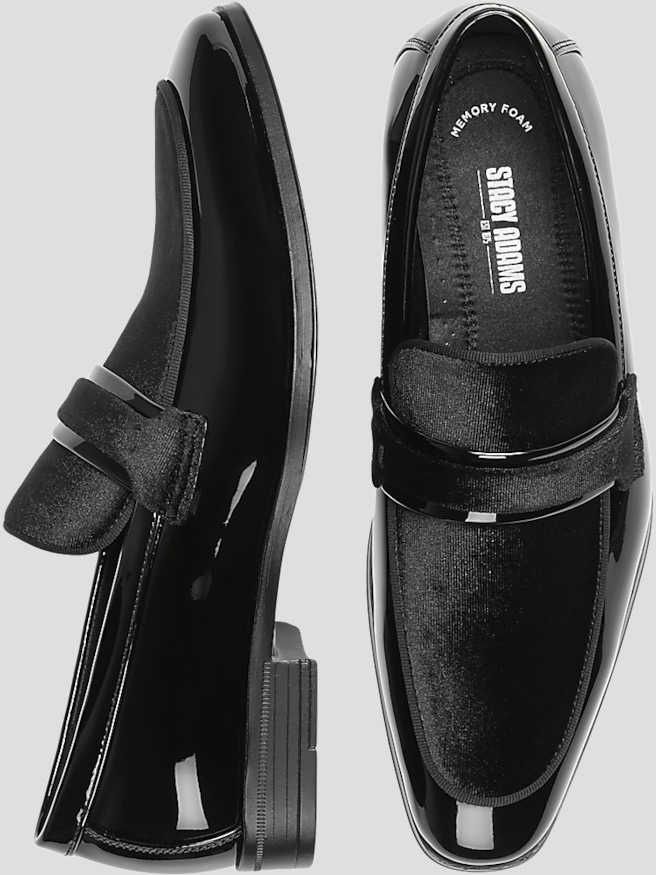
Tan loafers for men are slip-on shoes in light brown tones that bring a relaxed, polished finish to casual and business-casual clothing. Their defining appeal is the balance between a clean dress-shoe profile and the ease of a laceless design. Shades can range from pale sand and golden honey to caramel, giving tan loafers enough depth to complement tailored clothing without the visual weight of a much darker shoe. With navy chinos and a tucked-in button-down shirt, they create an outfit that feels appropriate for an office with a business-casual dress code. Paired with straight-leg dark denim and a knit polo, the same general silhouette looks comfortable at dinner or a family gathering. Light gray trousers offer a softer contrast, while olive and cream bring out the earthy character of tan leather or suede. The shape and details help establish the level of formality: a streamlined toe and restrained stitching tend to look dressier, while a rounded shape, visible apron seam, or substantial sole leans casual. Penny loafers feature a strap across the top of the foot, tassel loafers add movement and decorative detail, and metal-bit styles introduce a more noticeable accent. Each gives the color a distinct personality without changing its easy-to-coordinate character. For a wedding or another dressed-up occasion, tan loafers can work with lighter tailoring when the invitation and setting allow, though they are not a substitute for formal footwear when a strict dress code applies. Trouser length matters, too. A hem with little excess fabric keeps the shoe visible and avoids a heavy stack of cloth around the ankle. A tan or medium-brown belt can help connect the outfit without requiring an exact shade match. For those who prefer a deeper tone alongside the same slip-on shape, brown loafers for men offer another way to coordinate with denim, chinos, and tailored trousers.
Materials give tan loafers much of their character, influencing how they look, feel, and develop with wear. Smooth leather has a defined surface that highlights the lines of the shoe and can often be refreshed with appropriate conditioning and polish. On lighter tan shades, subtle creases and changes in tone may become more noticeable over time, giving well-cared-for leather an individual appearance. Suede has a soft, napped texture that diffuses light and creates a more relaxed impression, making it a natural companion to textured trousers, denim, and knitwear. Pebbled leather brings visible grain to the surface and can make minor marks less conspicuous, although the finish and quality of the leather still affect how it wears. Leather quality is not determined by softness alone; the upper should also feel supportive enough to hold its shape around the foot. Inside, smooth linings, neatly finished seams, and a comfortable footbed can make a meaningful difference during repeated wear. Cushioning may soften each step, while a structured footbed can provide a more stable feel. The outsole also changes the experience. Leather soles often create a slim, traditional profile, while rubber soles can add flexibility and grip, depending on their tread and composition. Neither material guarantees all-day comfort by itself; the combination of fit, construction, support, and intended use matters more. A pair worn mainly for seated office work has a different job from one expected to handle a long walk between a train station and a workplace. Low-profile soles keep the look close to classic dress footwear, while thicker soles give the shoe a more grounded, casual presence. Secure stitching, clean joins, and a well-attached sole contribute to durability, but repair options depend on how the shoe is made. Some construction methods allow professional resoling, while others do not. These practical details help distinguish a loafer chosen for occasional dinners from one intended to become part of a regular workday rotation.
A good fit is especially important with loafers because there are no laces to adjust the hold across the foot. The heel should sit securely, the widest part of the foot should align with the widest part of the shoe, and the toes should have room without sliding forward. Slight movement can occur as a new sole flexes, but repeated heel lift, rubbing, or the need to curl the toes to keep the shoe on suggests a fit problem. Pressure over the instep deserves attention as well: the upper should feel comfortably close rather than tight enough to cause pain or numbness. Leather may soften with wear, but break-in should not be expected to correct the wrong length or width. Trying loafers with the socks intended for everyday wear gives a more useful sense of fit than judging them with unusually thick or thin socks. Fine-gauge dress socks create a polished line with trousers, while low-cut liners can provide a bare-ankle appearance without putting the foot directly against the lining. Keeping tan loafers looking their best calls for care suited to the material. Dust and loose dirt should be removed before they settle into seams or surface texture. Smooth leather generally benefits from a soft cloth and a compatible leather-care product, tested first on an inconspicuous area because some formulas can darken light finishes. Suede needs its own brush and appropriate cleaning products rather than ordinary shoe polish. Following the maker’s care directions helps protect both color and texture. A shoehorn reduces strain on the heel, and correctly sized shoe trees can help preserve shape between wears. Allowing shoes to dry naturally, away from direct heat, and giving them time to air out supports the lining and upper. For a graduation, birthday, or career milestone, tan loafers can also make a useful gift for someone whose wardrobe includes chinos, denim, or relaxed tailoring. Knowing the recipient’s size, width, preferred materials, and usual dress code makes the choice more personal. The strongest appeal is everyday usefulness: an understated shoe that can finish a thoughtful outfit without making it feel overly formal.