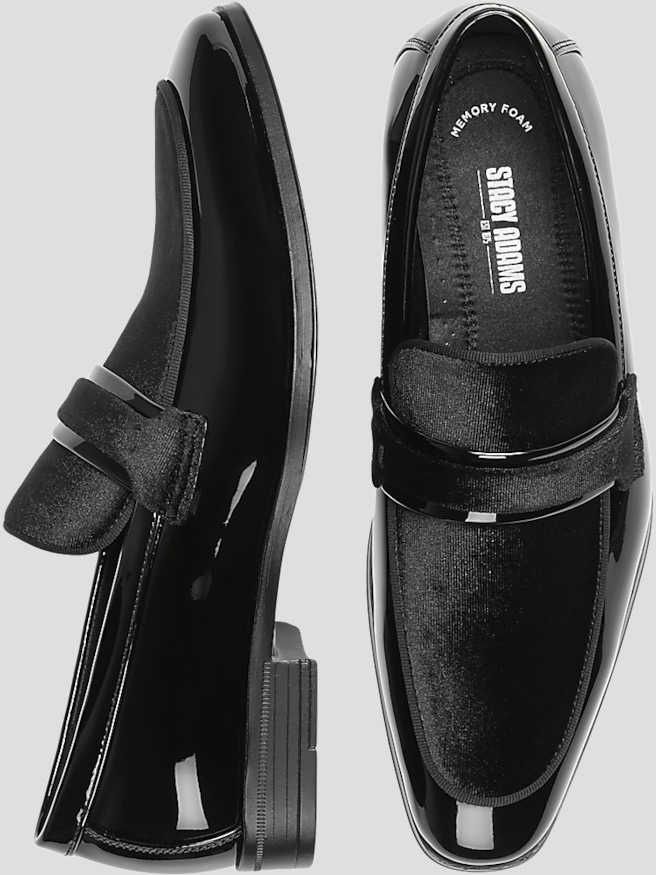
Brown loafers for men bring an easy, polished finish to outfits that fall between relaxed and dressed up. Their low profile and slip-on shape keep the look clean, while the color offers more variation than it might first suggest. Light tan has a casual character that works naturally with chinos and denim; chestnut and cognac add a richer accent to navy trousers; deep brown creates a quieter contrast with gray tailoring. The texture matters just as much as the shade. Smooth leather can look crisp beneath a pressed trouser hem, while suede softens the appearance of an outfit without making it seem unfinished. A penny loafer’s simple strap gives it a familiar, understated shape, and tassels introduce a little more movement and personality. Neither needs a complicated outfit to feel considered. Straight-leg jeans, an Oxford shirt, and a brown loafer make a dependable combination for dinner or a casual office, while tailored trousers and a sport coat take the same general shoe style in a more dressed-up direction. For business meetings, graduation celebrations, or weddings with a dress code that permits loafers, a streamlined silhouette tends to sit comfortably alongside tailored clothing. More formal occasions may call for a traditional lace-up dress shoe instead, so the setting still matters. Proportion helps pull everything together: a substantial sole has enough visual weight for fuller trousers, while a slimmer shoe often pairs neatly with a tapered leg. Trouser hems should leave the shoe visible without bunching heavily over the vamp, the upper section that covers the top of the foot. Socks can echo the trousers for a continuous line or introduce a restrained pattern when the rest of the outfit is simple. A brown leather belt in a similar depth of color adds cohesion, although an exact shade match is not necessary. The result is footwear that can feel equally at home beneath a desk, across a restaurant table, or on the way into a celebration.
Materials and construction shape how brown loafers feel over a full day, not just how they look when first slipped on. The appeal of brown leather slip-on loafers for men lies partly in the way smooth leather balances a defined shape with the ability to soften through regular wear. Leather varies in thickness, finish, and flexibility, so two similar-looking loafers can feel noticeably different on the foot. Suede has a softer visual texture and requires its own approach to cleaning, while other upper materials may have different care requirements. Interior details also matter. A smooth lining, a neatly finished heel area, and seams that do not press against the foot can make a meaningful difference during a commute or a long afternoon at the office. Cushioning may reduce the feeling of a firm surface underfoot, but softness alone does not establish a comfortable fit; the shoe’s shape and support need to suit the wearer as well. Because loafers have no laces to adjust, the fit across the instep is especially important. The vamp should hold the foot securely without creating pressure, and the toes need room to rest naturally rather than being squeezed toward the front. The heel should feel stable during a normal stride, without repeated slipping that forces the wearer to grip with the toes. Leather may ease slightly with wear, but a painful or cramped fit should not be treated as something that will automatically improve. Trying loafers with the socks intended for everyday use gives a more useful sense of fit than trying them with an unfamiliar thickness. Sole construction influences the experience, too. Leather soles often have a sleek appearance and a firmer feel, while rubber soles can provide flexibility and traction, depending on their design. Men who spend much of the day standing or walking may place greater emphasis on cushioning, sole grip, and secure heel placement than someone choosing footwear mainly for seated events.
Regular care helps brown loafers retain both their appearance and their shape, particularly when they become a frequent part of an office or social wardrobe. Surface dust is easier to manage before it settles into creases or around the stitching, so a gentle brushing or wipe with a suitable cloth can become a simple habit after wear. Smooth leather generally benefits from cleaning and conditioning products intended for its finish, used according to the manufacturer’s instructions. Polish can refresh color and add shine where appropriate, but it should be tested in an inconspicuous area first, especially on lighter brown leather where a mismatched shade may show clearly. Suede needs a dedicated brush and compatible cleaning products rather than ordinary leather cream or polish. Allowing footwear to air out between wears helps the interior dry naturally, and shoe trees can help maintain the shape while reducing deep creasing. Shoes should dry away from direct heat, which can damage leather and adhesives. A shoehorn also reduces strain on the heel counter, the structured area at the back of the shoe, when slipping into a snug pair. Over time, wear at the heel, a thinning outsole, or loose stitching deserves attention before it affects comfort or stability. Some constructions allow repairs or resoling, while others do not, making the shoe’s construction relevant to long-term use. Brown loafers can also be a thoughtful gift for a man who regularly wears chinos, dress trousers, or tailored denim, whether he is starting a new role, celebrating a graduation, or refining an established wardrobe. A successful footwear gift depends on more than knowing a usual size: width, instep height, preferred sock thickness, and the shape of shoes he already finds comfortable all help narrow the choice. His routine matters just as much. An understated leather loafer may suit someone who moves between client meetings and evening plans, while a softer-textured style may fit a more relaxed dress code. Those practical details give brown loafers their lasting usefulness: a familiar silhouette, adaptable color, and a comfortable fit that supports the way the wearer actually dresses and moves.