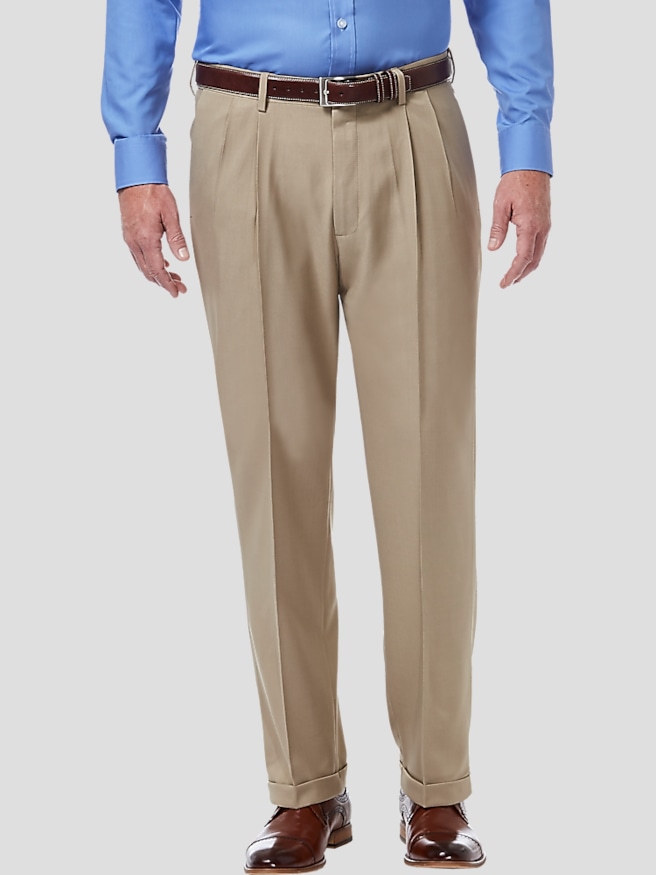
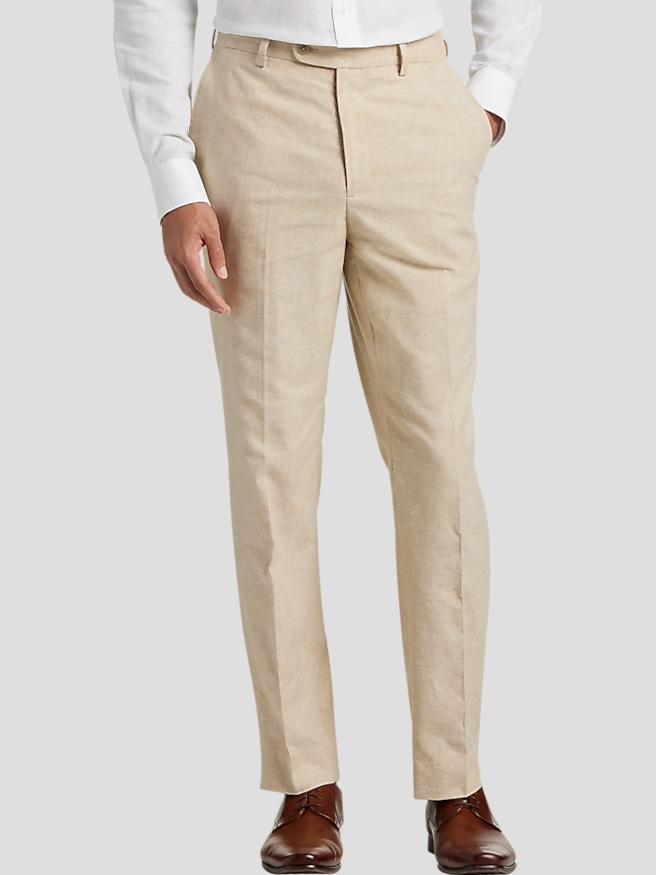
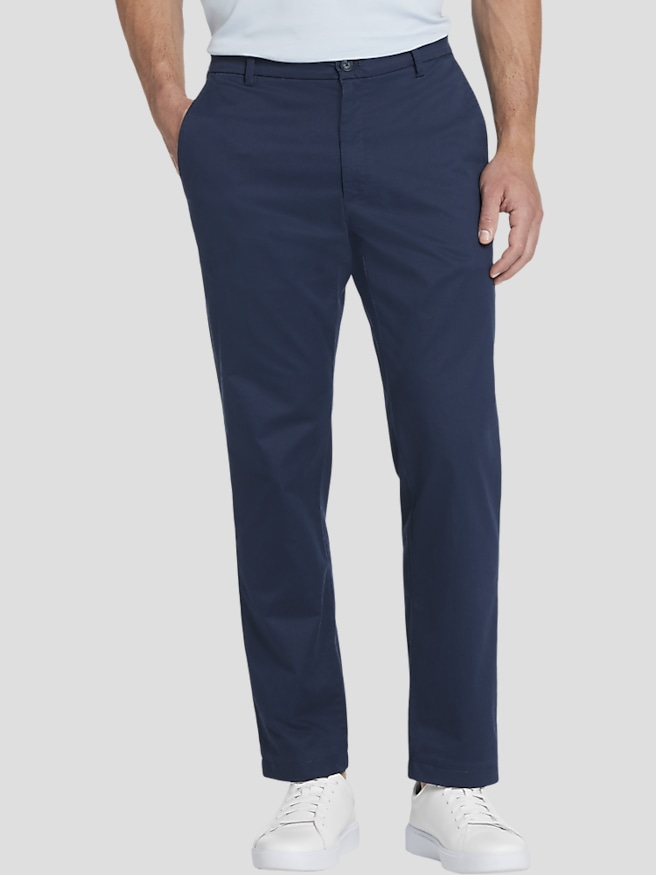
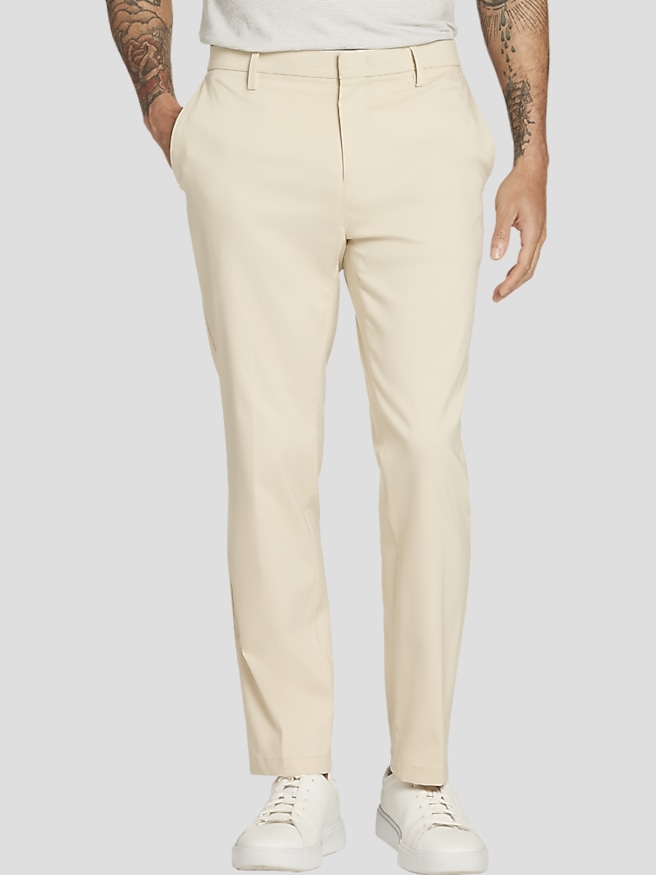
Tan chambray pants combine a sandy neutral color with the subtle texture of a plain-weave fabric, creating a look that sits comfortably between casual khakis and tailored trousers. Chambray traditionally uses colored yarns in one direction and white yarns in the other, giving the surface a softly varied appearance rather than a completely flat shade. In tan, that woven contrast can resemble fine flecks of cream against beige, adding depth without the visual weight of a bold pattern. Although chambray is sometimes confused with denim, its plain weave differs from denim’s diagonal twill construction. The result is a distinct texture, with weight, softness, and drape depending on the fibers and how tightly the cloth is woven. Cotton chambray typically has a soft hand and breathable feel, while cotton-linen blends can introduce a slightly irregular surface and a more relaxed drape. Blends containing synthetic fibers may improve shape retention, and a small amount of stretch can make sitting and bending more comfortable. The fabric composition matters more than the color name when judging how a pair will feel through a full day. Tan itself spans pale sand, muted khaki, and deeper beige, so the undertone also influences the overall impression. A golden shade looks rich beside dark brown leather, while a more subdued beige creates a gentle contrast with navy or charcoal. This balance of texture and neutral color makes tan chambray trousers useful for office settings with a relaxed dress code, dinners out, daytime celebrations, and everyday outfits that call for something more polished than jeans. Their appeal is not limited to one age or personal style: a clean, narrow silhouette can feel contemporary, while a straighter leg offers a familiar tailored shape. For someone building a versatile wardrobe, the interest comes from the fabric itself, allowing simple shirts and understated accessories to feel considered rather than plain.
Fit determines whether tan chambray pants look relaxed, tailored, or somewhere in between. A slim fit generally follows the seat and thigh more closely before narrowing toward the ankle, while a straight fit gives the leg a more consistent line. Neither should require pulling at the waistband or leave pronounced horizontal strain across the front. Comfortable trousers sit securely at the intended waist position, with enough space through the seat and thighs to sit at a desk, step into a car, or walk without restriction. The rise deserves attention alongside the waist measurement: a mid-rise shape often works well with tucked shirts, while other rises can change where the waistband sits and how the outfit’s proportions come together. Stretch can add flexibility, but it does not replace adequate room in the cut. Length has an equally visible effect. A hem that just meets the top of a loafer creates a clean finish, while a slight break over a lace-up shoe gives the trousers a more traditional appearance. Excess fabric pooling at the ankle can obscure the shape, particularly in a softly draping cloth. Details such as flat fronts, pleats, pocket placement, and waistband construction further influence the character of the pants. Flat fronts offer an uninterrupted surface; pleats can provide extra room and a fuller line when properly fitted. Side pockets should lie reasonably flat rather than flare outward, and a smooth waistband helps a tucked shirt stay neat. For an office-to-dinner outfit, tan chambray pants pair naturally with a pale blue button-down shirt and brown loafers. A white crewneck and clean leather sneakers bring the same fabric into a more casual setting, while a navy polo creates contrast without looking overly formal. Olive, burgundy, cream, and muted blue also complement the sandy base. When both the shirt and pants have visible texture, keeping patterns restrained lets each fabric remain distinct. A belt close in color to the shoes can give the outfit a cohesive finish without requiring an exact match.
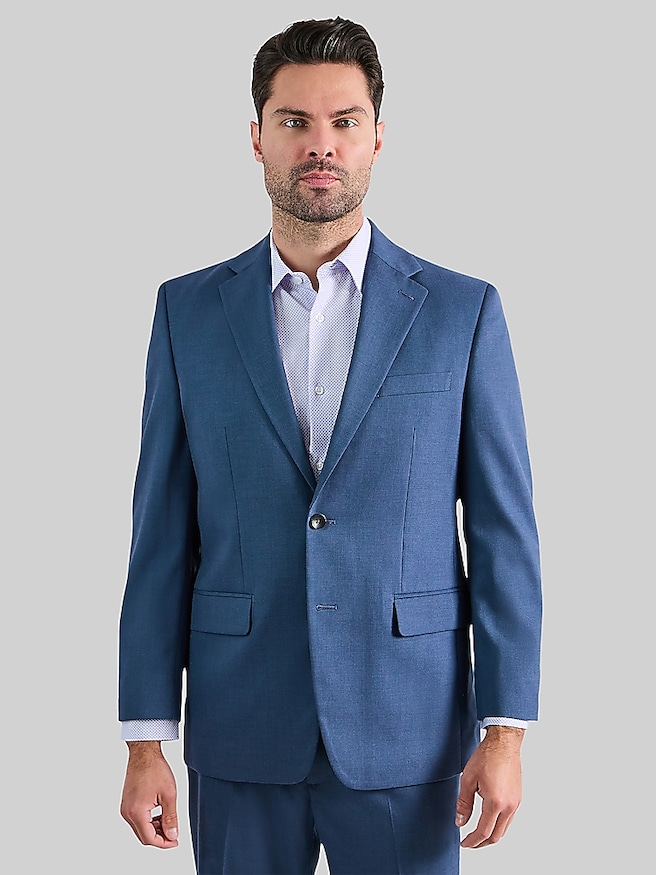
For more dressed-up occasions, tan chambray trousers can serve as the foundation of an outfit built around a sport coat, a crisp shirt, and polished shoes. A navy jacket provides clear contrast, while a tonal jacket creates a softer effect. A coordinated suit requires more than two pieces described as tan: the shade, weave, fabric composition, and proportions need to work together. The Chambray Suits collection offers a related direction for occasions that call for a coordinated jacket-and-trouser look. Separate trousers remain useful for a business-casual meeting, a restaurant dinner, or a celebration with a relaxed dress code, although chambray should not be assumed to meet formal attire requirements. Practical details matter just as much after the outfit is chosen. Care instructions vary by composition and construction, so the garment label should determine whether the pants can be machine washed or require professional cleaning. A washable cotton fabric and a structured trouser with an internal waistband may need distinct treatment, even when their outer surfaces look similar. Following the recommended wash temperature and drying method helps limit shrinkage and preserve the intended fit. Prompt attention to marks is especially helpful on a light neutral color, with any spot treatment tested in an inconspicuous area first. Pressing or steaming should also follow the label; excessive heat can damage some blends, and a pressing cloth can help protect the surface when ironing is permitted. Linen-containing chambray may develop natural creases with wear, which are part of its relaxed character rather than necessarily a sign of poor quality. Durability depends on fabric density, seam construction, and regular care, not simply whether the pants feel substantial in the hand. Secure stitching at pockets and stress points, neatly finished seams, and a waistband that maintains its shape are useful construction details. Hanging trousers neatly and avoiding overfilled pockets can help preserve their line between wears. As a gift, tan chambray pants suit someone who enjoys understated clothing and has a known fit preference, especially when the waist, inseam, and preferred leg shape are familiar. Their lasting usefulness comes from that combination of comfortable proportions, tactile fabric, and a neutral shade that works across many everyday occasions.