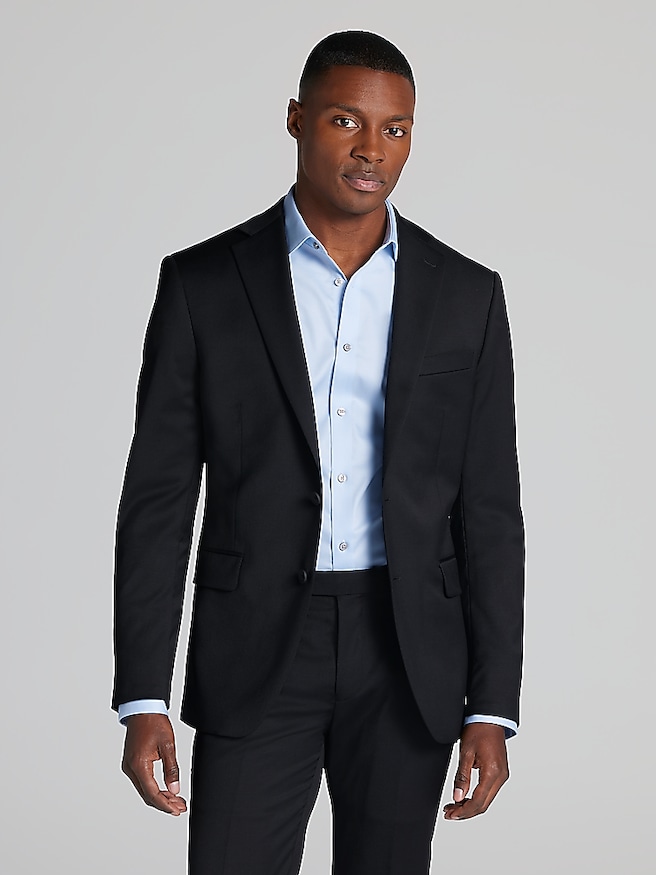
Tailored wool suits combine the natural drape of wool with a shaped silhouette that gives a jacket and trousers a clean, coordinated appearance. The fabric follows the body without needing to cling, while the cut defines the shoulders, waist, and leg line. In clothing descriptions, “tailored” often refers to this balanced shape rather than to a suit made from an individual pattern; a tailored-fit suit may still benefit from alterations to its sleeves, waist, or trouser length. Wool is especially well suited to structured clothing because its fibers have natural crimp and resilience, helping the cloth recover from minor creasing after time to rest. Its ability to absorb moisture vapor also contributes to comfort during extended wear, whether the day involves a presentation, a ceremony, or several hours at a dinner table. Fabric composition and construction matter as much as the word “wool” on a label. Pure wool emphasizes the fiber’s natural handling and drape, while wool blends can introduce other qualities, such as added stretch or a distinct surface texture, depending on the accompanying fibers. Worsted wool, made with combed fibers spun into smooth yarns, typically has a refined surface that works well for business and dress occasions. Woolen fabrics generally have a softer, fuller texture, giving tailoring more visual depth. Twill weaves show a subtle diagonal line; other weaves may appear flatter or more visibly textured. None of these characteristics alone determines quality, but each affects how a suit looks and feels in use. A smooth navy cloth reads differently from a textured charcoal even when both suits share the same cut. Higher Super numbers, when provided, describe wool fiber fineness, not a universal ranking of durability or overall construction. Very fine cloth can feel exceptionally soft, but frequent wear calls for attention to fabric strength, sound seams, and a weave suited to regular movement. A dependable everyday wool suit balances a pleasing hand with enough substance to hold its shape.
Fit gives tailored wool suits their character, and the most useful distinction is not simply slim versus roomy but how evenly the garment sits on the body. Jacket shoulders should follow the natural shoulder line without pronounced overhang or deep indentations beneath the sleeve head. The collar should lie close to the shirt collar, and the lapels should rest smoothly against the chest instead of bowing outward. With the jacket fastened, the waist can show definition without creating an obvious X-shaped pull across the button. Someone who spends much of the day seated may appreciate a little more room through the middle and upper leg than someone judging the suit only while standing before a mirror. Reaching forward to greet a colleague, sitting through a meeting, and walking up stairs are useful checks for practical ease. A clean silhouette should still allow ordinary movement. Jacket length also contributes to proportion: the hem generally covers the seat, while sleeve length leaves a small amount of shirt cuff visible. Exact preferences vary with build and styling, but balance usually looks more convincing than an exaggeratedly short jacket or an overly narrow sleeve. Trousers should sit securely at their intended waist position, with enough room through the seat and thigh to avoid pulling at the pockets or creating tight horizontal lines. The hem can meet the shoe with little break for a crisp line or a modest break for a more traditional finish. Excess cloth pooling over the shoes can distract from otherwise precise tailoring. Alterations often refine trouser hems, sleeve length, and moderate waist shaping, while substantial changes to the shoulders or overall jacket proportions are more complex. Starting with a compatible cut makes those finishing adjustments more effective. For a related look at streamlined proportions, Modern Tailored Suits provides another point of comparison. Interior construction matters, too: canvas, fused components, and lining all influence structure and feel, although no single construction term replaces checking how comfortably and smoothly the finished jacket rests on the body.
The appeal of a tailored wool suit lies in how naturally it can move between professional responsibilities and meaningful personal occasions. A solid navy or charcoal suit creates a restrained foundation for interviews, client meetings, graduation ceremonies, and many wedding dress codes. Subtle stripes suggest a more business-focused character, while a quiet check adds interest without relying on a bold color. Dress-code wording still matters: an invitation specifying black tie generally calls for a tuxedo rather than a conventional wool suit. For business formal settings, a crisp dress shirt, a neatly knotted tie, and polished leather shoes reinforce the suit’s structure. At an event with a less formal dress code, a simple shirt and thoughtfully chosen accessories can keep the same silhouette composed without making it feel overly ceremonial. The finishing details should support the cloth rather than compete with it; a textured tie can bring depth to a smooth worsted fabric, while a restrained pocket square leaves a patterned suit room to stand on its own. For someone marking a first professional role or a major achievement, a wool suit can also be a meaningful gift, especially when the recipient participates in choosing the fit and arranging any alterations. Long-term appearance depends on care as well as initial selection. Follow the garment’s care label, address stains promptly, and use professional cleaning when needed rather than automatically after every wearing. Excessive cleaning can be hard on fabric and components. After use, empty the pockets, gently brush away surface dust with a clothing brush, and let the suit air before putting it away. A broad, supportive jacket hanger helps preserve the shoulders, while trousers benefit from hanging neatly along their crease or from suitable clips that do not mark the cloth. Allowing rest between wearings gives minor wrinkles time to relax. Avoid pressing directly with high heat, which can leave shine or damage the finish. With sensible rotation, careful storage, and timely repairs to loose buttons or small seam issues, tailored wool suits can remain a reliable part of a well-considered wardrobe.