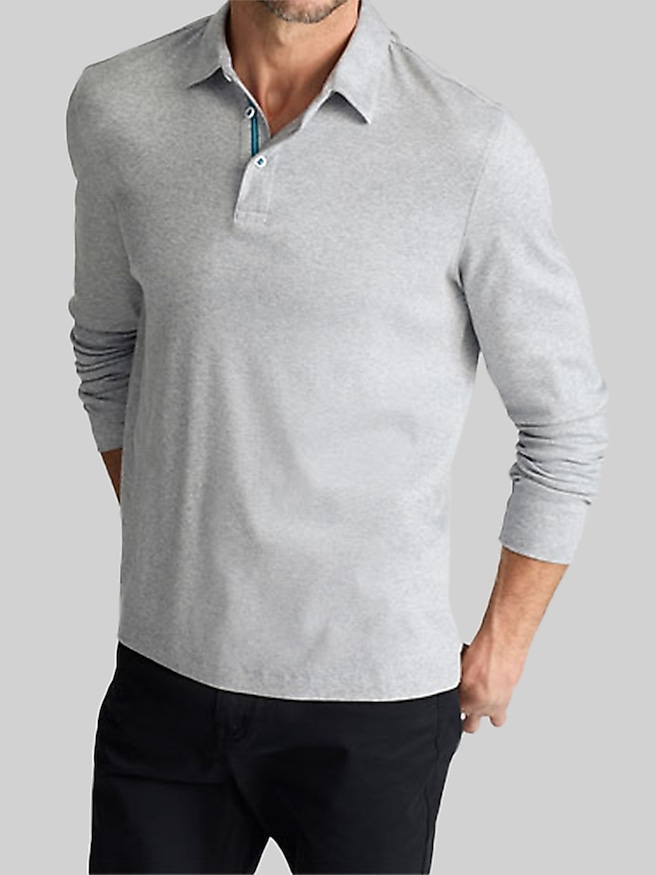
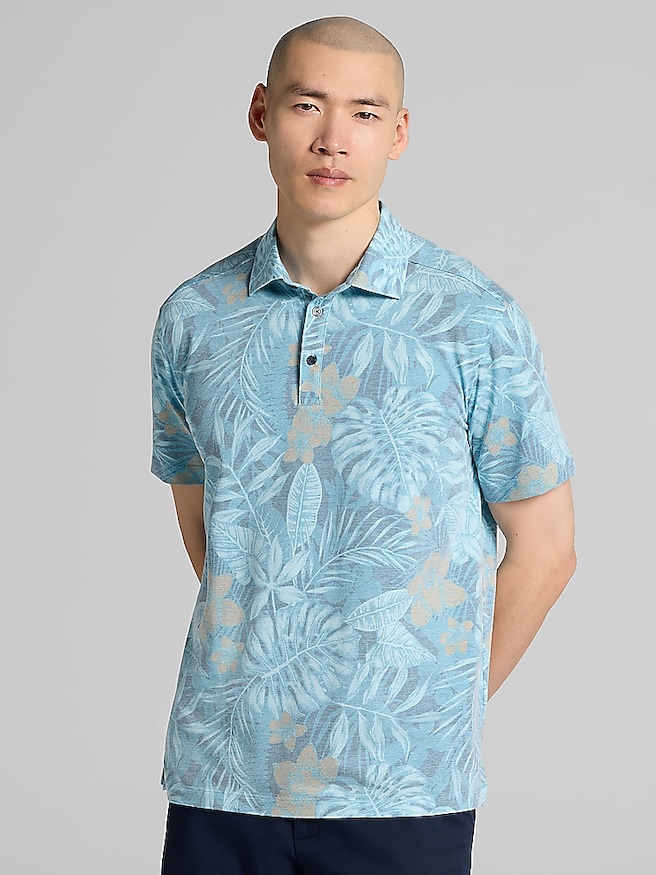
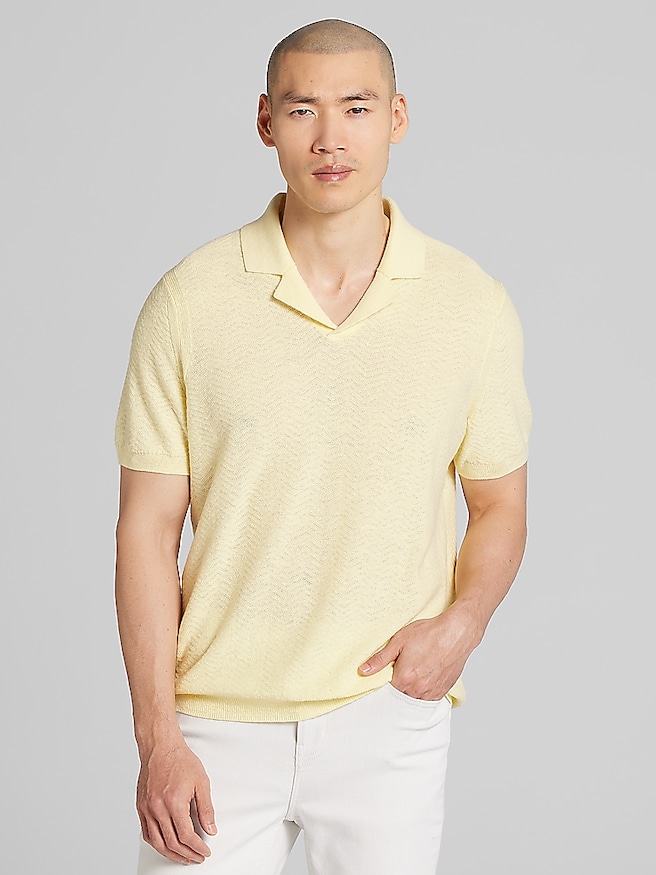
Summer polo shirts combine the ease of a short-sleeve shirt with the definition of a collar, making them a practical choice for warm-weather workdays, weekend plans, and travel. Their appeal starts with the fabric: a polo should feel comfortable against the skin while offering the texture and structure that suit the occasion. Cotton piqué has a subtly raised, mesh-like surface that allows airflow and gives a classic polo its familiar shape. Cotton jersey has a smoother face and a softer drape, with a relaxed feel that works well for everyday wear. Neither fabric needs to feel heavy to look substantial; fabric weight, knit density, and construction all influence how a shirt hangs. Linen-cotton blends can bring an airy feel and a lightly textured appearance, with natural creasing that suits casual summer outfits. Performance blends often use polyester, sometimes with added stretch, and may include moisture-wicking or quick-drying properties when specified on the garment label. Those features can be useful for a round of golf, a long walk across a resort, or a commute that includes time outdoors. Moisture-wicking fabric moves perspiration away from the skin to help it evaporate, while quick-drying construction can make a shirt more convenient after activity or washing. Breathability, moisture management, and stretch are separate qualities, so a smooth athletic knit will not necessarily feel the same as an open cotton piqué. Lightweight sweater-knit polos offer another approach, adding visible stitch texture and a softer silhouette for dinners, gatherings, and other occasions that call for something more considered than a T-shirt. An open stitch may feel breezier, while a dense knit can hold more warmth, even when the yarn itself is fine. For extended time in the sun, fabric coverage alone does not establish a shirt’s level of sun protection; a stated UPF rating provides more specific information. Together, these fabric distinctions give summer polos a broad range of uses without making every style interchangeable.
Fit gives a summer polo much of its character. A regular fit generally leaves more room through the chest and waist, while a slim fit follows the torso more closely; the exact proportions vary by maker and style. Enough space to reach forward, sit comfortably, and lift the arms matters more than the name on the fit label. Shoulder seams that sit near the shoulder edge usually create a clean outline, and sleeves that fall around the middle of the upper arm offer a familiar balance of coverage and ease. A sleeve opening should rest comfortably rather than squeeze, particularly when the fabric contains little stretch. Through the body, a polo can skim without clinging, with enough room that the button placket lies relatively flat. Length also changes how a shirt works in an outfit. A shorter, even hem often looks natural untucked with shorts or casual pants, while a longer hem provides more coverage when tucked into chinos or golf pants. Small side vents can help the hem move more freely when sitting or walking. Collar construction adds another distinction: a ribbed collar has a classic sporting feel, a self-fabric collar can look understated, and an open neckline without buttons creates a relaxed alternative to the traditional placket. Solid colors make the fabric and fit more noticeable, while narrow stripes, subtle patterns, and contrast trim add detail without requiring elaborate styling. A navy cotton polo with stone-colored chinos feels at home at a casual office lunch; a textured knit with lightweight trousers can suit an outdoor dinner where a jacket would feel unnecessary. Brighter shades and washed tones pair naturally with simple shorts for vacations and backyard gatherings. Dress expectations still matter, since a polo is a polished casual shirt rather than a substitute for formal attire. The same balance of ease and structure makes it useful for a graduation celebration, an informal birthday dinner, or a weekend visit where the day moves from errands to a meal out.
Everyday durability depends on more than whether a summer polo feels soft at first touch. Even stitching, securely attached buttons, neatly finished seams, and a stable placket help a shirt stand up to repeated wear. Fabric that stretches should also recover reasonably well, rather than remaining pulled out of shape at the elbows, hem, or neckline. Cotton may shrink with heat, textured knits can catch on rough surfaces, and some fabrics develop pilling where a bag strap or seat belt repeatedly rubs. The care label remains the best reference because fiber blends, dyes, trims, and finishes can require distinct treatment. When machine washing is permitted, a gentle cycle, similar colors, and a moderate load can reduce unnecessary friction. Turning a polo inside out may help protect its outer surface, while pretreating a small mark according to the care instructions can limit the need for repeated washing. High dryer heat can contribute to shrinkage or affect stretch fibers, so the recommended drying method deserves attention. Some polos can be reshaped and dried flat; others tolerate low tumble drying. A structured or heavier knit may stretch on a hanger, making folded storage a better choice when indicated. These details matter for shirts worn frequently to work, packed for trips, or rotated through active weekends. For travel, a polo that coordinates with several bottoms can simplify packing, though wrinkle resistance should be treated as a stated fabric feature rather than assumed. There is also useful overlap with men's spring polo shirts, especially in lighter fabrics and colors that pair easily with chinos and shorts. As a gift for a dad, partner, friend, or recent graduate, a summer polo feels more personal when its fit, texture, and care needs match the recipient’s habits. A familiar color and comfortable silhouette can make it a dependable part of a warm-weather wardrobe, whether the usual setting is a golf course, a casual workplace, or a shaded patio table.