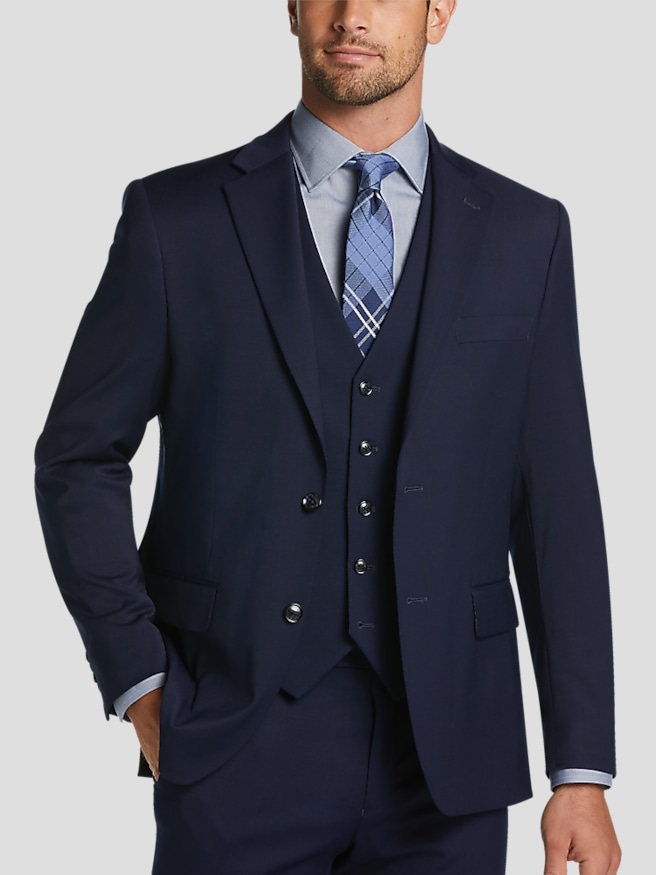
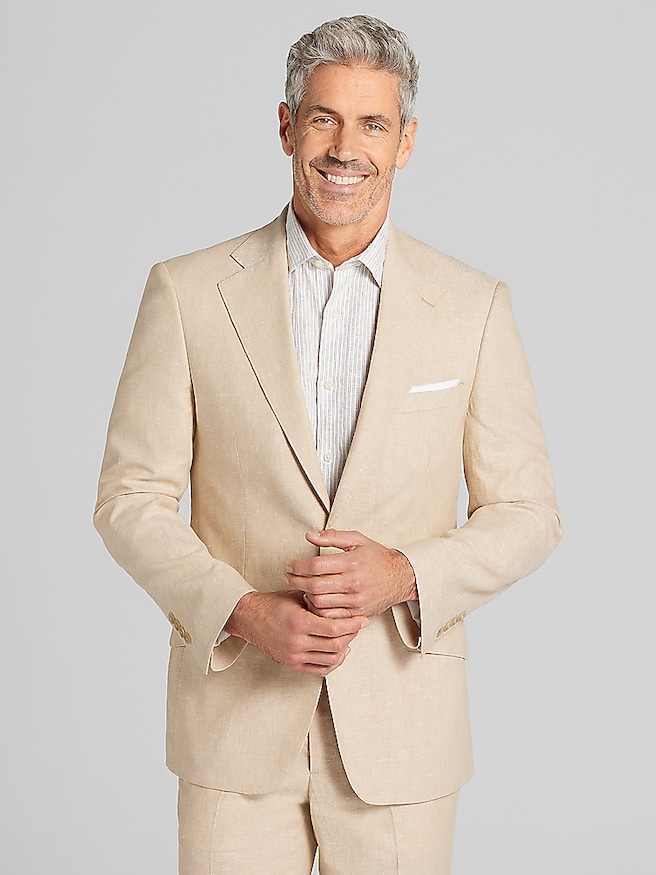
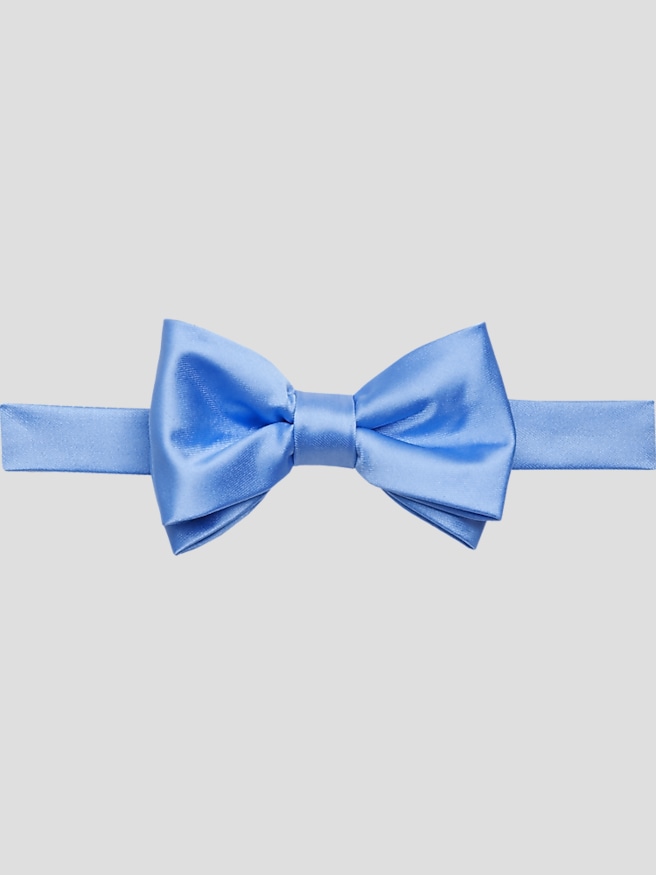
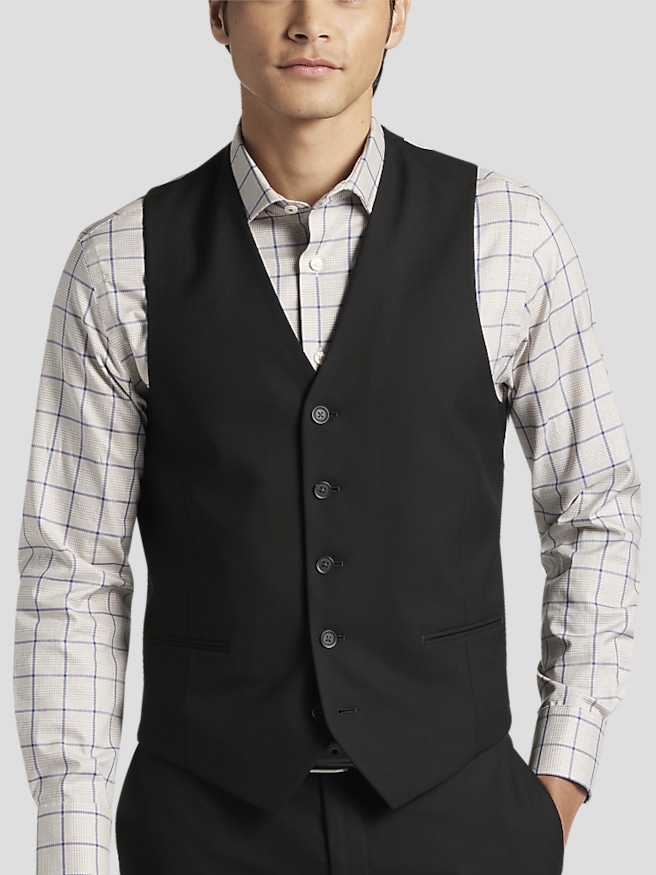
Choosing a suit and tie color combination is one of the simplest ways to shape the impression an outfit makes. The right pairing can feel polished and intentional before a word is spoken, whether it is being worn for a wedding, homecoming, a business presentation, a formal dinner, or a meaningful celebration during the cooler months. This collection brings together recommended options for coordinating color, contrast, and occasion, making it easier to find a combination that suits the moment and the person wearing it. Classic navy, charcoal, black, and gray suits offer a dependable foundation because they work with a wide range of tie colors and can be worn again in different settings. A crisp white or pale blue shirt keeps the look clean, while a tie in burgundy, forest green, deep blue, plum, or another rich tone adds depth without overwhelming the outfit. Lighter neutrals and softer shades can create an approachable appearance for daytime events, while darker, more saturated colors often feel especially at home at evening gatherings and formal celebrations. When selecting from the products on this page, consider the level of contrast you want. A tie that is noticeably darker than the shirt tends to frame the face and gives a traditional, refined finish; a closer color relationship feels more subtle and contemporary. Pattern scale matters as well. Small dots, restrained stripes, and understated geometric designs can bring interest to a solid suit, while a patterned suit or shirt is usually best balanced with a simpler tie. Texture adds another layer: a smooth silk-like finish has a dressier character, whereas a woven or subtly textured appearance can lend warmth and dimension when the weather turns cooler. Fit and proportion deserve equal attention. A tie should complement the width of the suit’s lapels and reach the waistband or belt area when tied, while the suit itself should sit comfortably at the shoulders and allow natural movement. These details help the colors look purposeful rather than accidental, especially in photographs where small imbalances become more noticeable. For shoppers building a wardrobe, versatile color combinations offer the most value, since one well-chosen suit can support several tie options and move easily from an office setting to a reception. For someone shopping for a homecoming outfit, a coordinated set can make preparation feel less complicated while leaving room for personal style. Additional ideas for pairing shades by suit color can be found in Best Men's Homecoming Tie Colors For Every Suit.
These suit and tie combinations can also make thoughtful gifts for a graduate, partner, son, brother, father, or friend who is preparing for a formal occasion or refreshing his wardrobe. A tie is especially useful when you know the recipient’s suit colors, preferred shirt shades, or general style, and a coordinated choice can turn a practical gift into something he will reach for repeatedly. If the suit color is unknown, neutral and adaptable tones are often a safe direction, particularly when paired with a classic pattern that does not depend on one specific season or event. For a complete outfit, think about how the colors will work alongside the rest of the wardrobe: brown or black footwear, a matching belt, a pocket square that repeats one small accent from the tie, and dress socks that bridge the trouser and shoe colors. The goal is balance, not perfect matching. A navy suit with a burgundy tie may feel confident and traditional, while a charcoal suit with a muted blue tie can create a calm, sophisticated effect. Black suits and darker ties offer a formal finish, and gray suits provide a flexible backdrop for both bright accents and understated neutrals. For outdoor ceremonies, daytime receptions, and transitional-season events, medium blues, warm browns, muted greens, and other softened tones can complement natural surroundings without appearing too casual. During the cooler months, deeper shades and tactile fabrics often look at home under heavier coats and layered outerwear, while still transitioning neatly indoors. It is also worth considering how often the outfit may be worn after the original occasion. A combination selected for a school dance can later serve at interviews, family celebrations, dinners, or formal gatherings when the pieces are chosen with restraint. Likewise, a wedding guest may prefer a tie that coordinates with the overall dress code without matching the wedding party too closely. Proper care helps preserve the appearance of every color pairing: hang the suit on a broad-shouldered hanger, loosen and untie the tie after wear, and follow the care instructions for cleaning and storage. With thoughtful color selection, comfortable fit, and a few adaptable accessories, the products in this collection can make dressing for an important occasion feel composed, personal, and comfortably prepared.