Best Men's Homecoming Tie Colors For Every Suit
What to look for in men's homecoming tie colors
The best men's homecoming tie colors complement your suit and shirt while adding a personal touch to your look.
1. Suit Color
2. Shirt Color
3. Pattern and Texture
4. Personal Touches
-
1
Egara Men's Skinny Solid Tie -, Summer Sand / Brown
About this productA smooth satin finish tie in summer sand/brown with lustrous shine, perfect for special events.
What customers like- Great fit
- Smooth texture
- Attractive appearance
$39.99 -
2
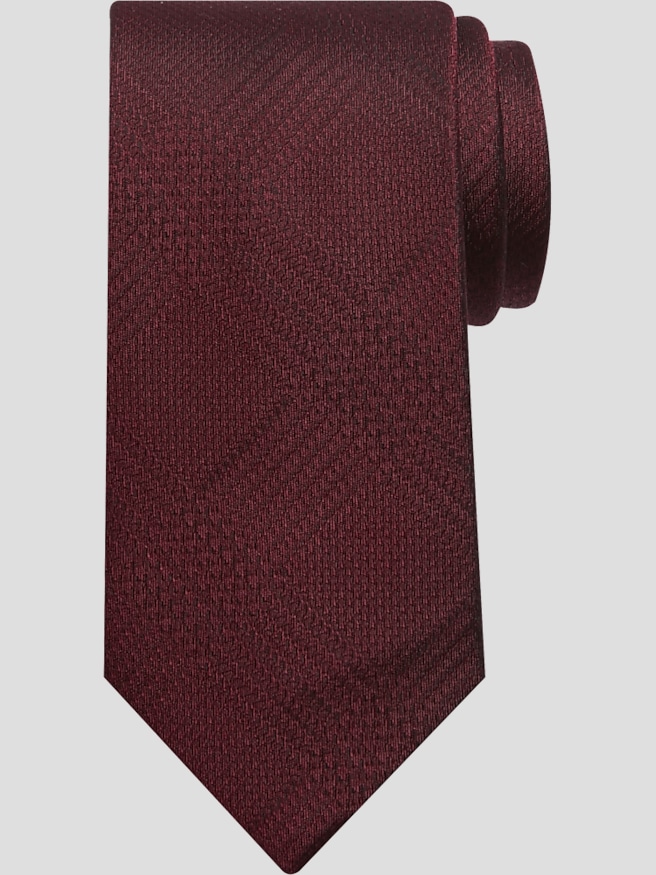
Pronto Uomo Big & Tall Men's Narrow Plaid Tie - Purple, Wine / Burgundy
About this productA purple and wine-colored silk tie with a subtle plaid pattern for an understated touch of elegance.
$54.99 -
3
Pronto Uomo Men's Narrow Plaid Tie -, Black
About this productA tonal black plaid tie in silk, offering understated elegance and refinement to any look.
$49.99 -
4
Egara Men's Large Floral Tie -, Purple Pattern
About this productA vibrant purple polyester tie featuring a bold floral pattern for a stylish, modern accent.
$39.99 -
5
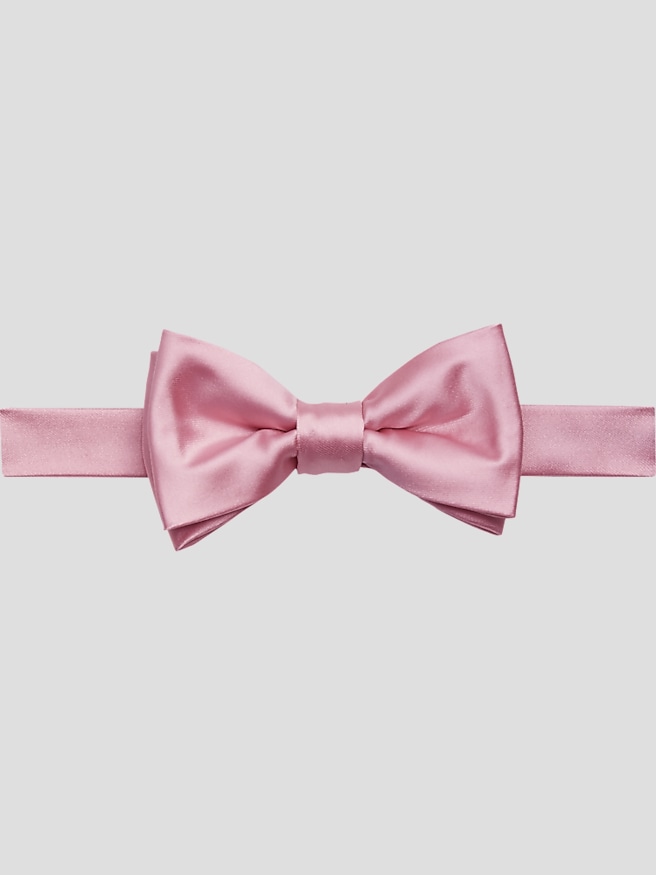
Egara Men's Solid Formal Pre-Tied Bow Tie -, Pink
About this productA pink pre-tied bow tie made of fine satin for special occasions.
$34.99 -
6
Egara Men's Large Floral Tie -, Pink
About this productA pink polyester tie featuring a bold floral pattern for a stylish, eye-catching accent.
$39.99 -
7
Egara Men's Large Floral Tie -, Gold / Metallic
About this productA gold and metallic floral-patterned tie in polyester that adds vibrant personality to any suit.
$39.99 -
8
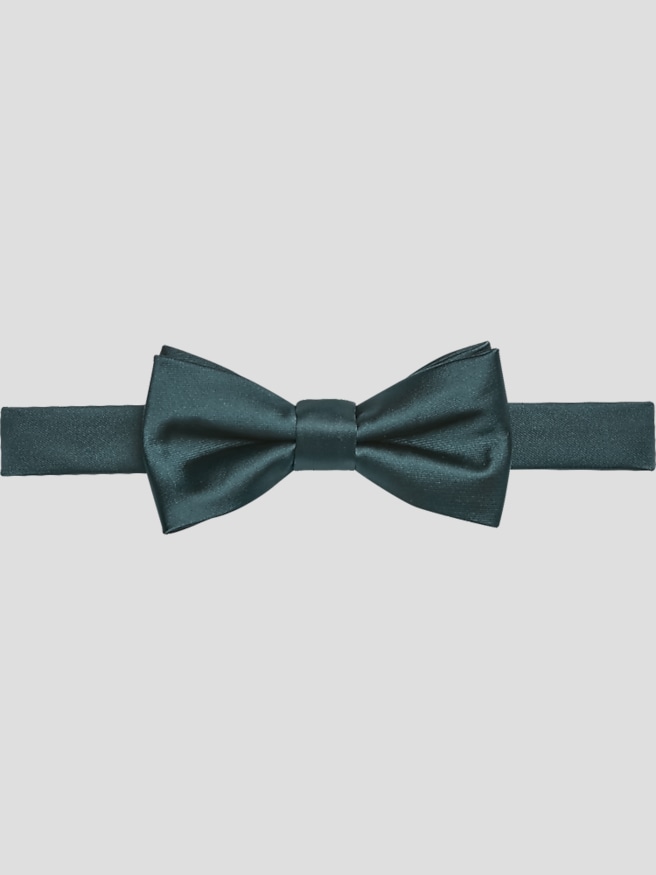
Egara Men's Solid Formal Pre-Tied Bow Tie -, Green Gables
About this productA Rich green satin bow tie from Egara, perfect for special occasions, in one size.
$34.99 -
9
Egara Men's Large Floral Tie -, Light Blue
About this productA blue polyester tie featuring a bold floral pattern for a stylish, modern accent to any suit.
$39.99 -
10
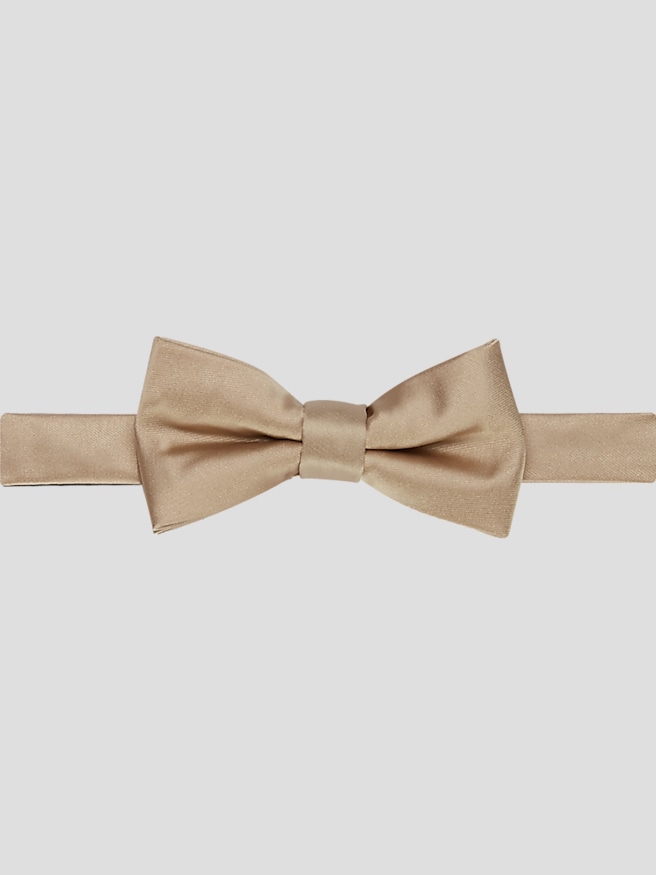
Egara Men's Solid Formal Pre-Tied Bow Tie -, Summer Sand / Brown
About this productA rich satin bow tie in summer sand/brown, perfect for special occasions.
$34.99






Best Men's Homecoming Tie Colors For Every Suit
FAQ
Burgundy, dusty rose, silver, and forest green ties pair well with navy suits. Burgundy offers rich contrast, while dusty rose creates a softer look. Add a white dress shirt to keep the color combination crisp and let your homecoming tie stand out.
Silver, deep red, emerald, and black ties are classic choices for a black suit. Choose silver for bright contrast or a rich jewel tone for a colorful accent. A black tie with a white shirt creates a sleek, monochromatic look.
Navy, burgundy, and plum ties complement both gray and charcoal suits. Light gray suits also pair well with pastel blue or blush ties, while charcoal creates a striking backdrop for silver or dusty rose. A white shirt works with any of these combinations.
Sage green, dusty blue, and rust ties complement a tan suit, while burgundy, forest green, and gold tones pair well with deeper brown suits. Choose a white or light blue shirt to balance these earthy colors without making the outfit feel too busy.
Start with your suit color, then choose a tie that contrasts with your shirt and complements an accent in your date's outfit. The colors do not need to match exactly. If your tie has a pattern, use one of its secondary colors to connect the looks.