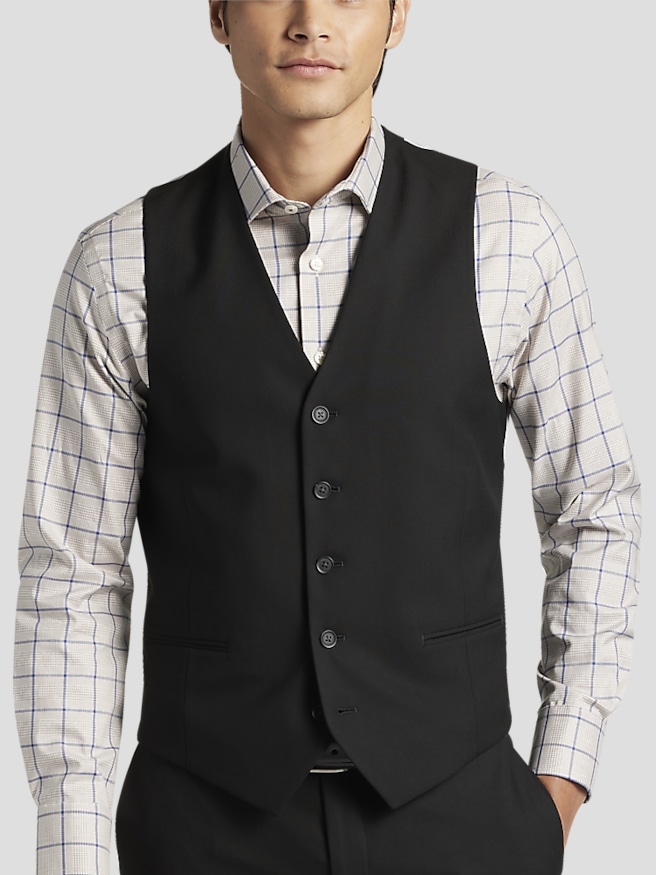
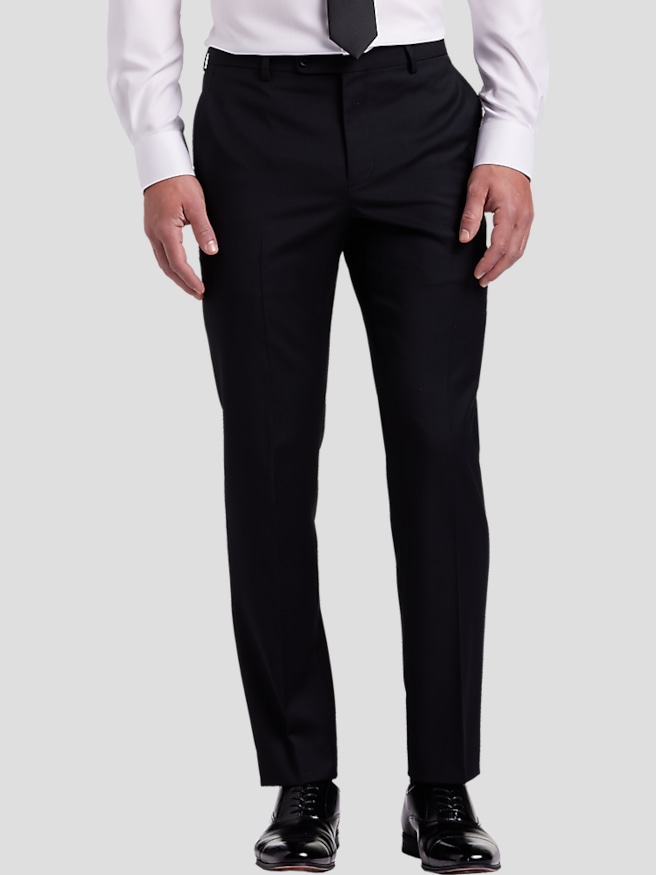
Suit pants sold separately are tailored trousers purchased independently of a suit jacket, making it possible to choose a waist size, inseam, and cut without being tied to a predetermined jacket-and-pant combination. That flexibility matters when a jacket fits comfortably through the shoulders but its paired trousers would need substantial adjustment, or when a broader chest and narrower waist call for separate sizing. Suit separates can form a coordinated suit when the pants and jacket belong to the same matching collection, while some trousers also work independently with dress shirts, knitwear, or sport coats. For office meetings, wedding receptions, graduation ceremonies, and interviews, the right pair provides a clean foundation without drawing attention away from the person wearing it. Fit starts at the waistband, which should sit securely at the intended rise without requiring a tightly cinched belt. The seat should lie smoothly, pockets should stay relatively flat, and there should be enough room through the thighs to sit, climb stairs, and move naturally. Slim cuts generally follow the leg more closely, while classic cuts allow more room; fit names vary, so measurements and the actual silhouette matter more than the label alone. A higher rise can create a longer leg line and sit comfortably beneath a buttoned jacket, while a lower rise changes where the waistband meets the torso. Flat fronts offer a clean, uninterrupted appearance, and pleats can provide extra room through the upper leg when properly fitted. Hem length completes the shape: a slight break lets the fabric rest lightly on the shoe, while little or no break gives the ankle a sharper outline. The best length depends on the leg opening and the shoes worn with it. Alterations can refine the waist and hem, but they cannot always correct a restrictive seat, a poorly placed rise, or a cut that is fundamentally too narrow.
Fabric determines much of how separate suit pants hang, feel, and hold their shape through a full day. Wool is valued for its drape, breathability, and natural resilience, making it a familiar choice for tailored clothing. Wool blends combine those qualities with other fibers, with the finished feel depending on the proportions, weave, and construction. Polyester can contribute durability and resistance to wrinkling, while rayon may add softness and fluidity. A small amount of elastane can provide stretch, although stretch content alone does not guarantee comfortable movement or replace adequate room in the cut. Smooth worsted fabrics create a crisp, refined surface that works well with structured jackets and polished shoes. More visible weaves introduce texture and can make trousers feel less formal when worn without a jacket. Fabric weight and opacity also influence the finished appearance: cloth should fall cleanly rather than cling, with enough substance to keep pocket outlines from becoming distracting. Lining, secure seams, reinforced closures, and neatly finished hems can contribute to comfort and longevity, though construction details vary. Color deserves equal attention, particularly when completing a suit. Navy, charcoal, medium gray, and black can each look noticeably distinct across fabrics, even when their color names match. A navy trouser in a smooth weave may not coordinate convincingly with a navy jacket that has a textured surface or a slightly warmer undertone. For a true matching suit, the most reliable pairing comes from the same designated suit-separates collection in the same fabric and color. Even then, differences in wear or cleaning can affect how an older jacket looks beside newly purchased pants. When an exact match is not possible, a deliberate contrast often looks more intentional than a near match. Gray trousers beneath a navy sport coat, for example, create a clear distinction, with a light shirt keeping the overall look composed. Subtle patterns can add depth, but their scale should complement rather than compete with the jacket.
Separate suit trousers can support a working wardrobe well beyond a single coordinated outfit. A pair with a clean taper can move from a client presentation with a jacket and tie to a dinner reservation with an open-collar shirt, provided the fabric and dress expectations suit both settings. For someone who spends much of the day seated, room through the seat and upper leg can matter as much as a sharp standing silhouette. For frequent travel, fabrics with good wrinkle recovery and a waistband that remains comfortable while sitting can make long stretches between appointments easier. Dress shoes also change the impression: oxfords lend structure, while loafers can make an otherwise tailored combination feel more relaxed. Evening occasions may call for a more specialized approach, and Dinner Pants offer another relevant category when considering trousers for dressed-up gatherings. Formal dress codes still govern the complete outfit; ordinary suit pants are not automatically a substitute for the matching trousers required with a tuxedo. Care helps preserve both appearance and useful life. The garment’s care label should determine whether cleaning belongs with a professional or can be done at home, since fiber content alone does not tell the whole story. After wear, emptying the pockets and hanging trousers neatly helps reduce strain and unnecessary creasing. Allowing them to air between wears and rotating pairs can limit repeated friction at the seat, thighs, and hems. Pressing should follow the label’s temperature guidance, with appropriate protection against shine on the fabric. Coordinated suit pieces benefit from compatible care so that changes in finish do not make the jacket and pants look mismatched. As a gift for a graduate, a new professional, or someone rebuilding a tailored wardrobe, separate suit pants are most useful when chosen with accurate measurements and a clear sense of the recipient’s preferred cut. Thoughtful sizing, suitable fabric, and careful upkeep give these trousers a practical role in everyday dressing as well as important occasions.