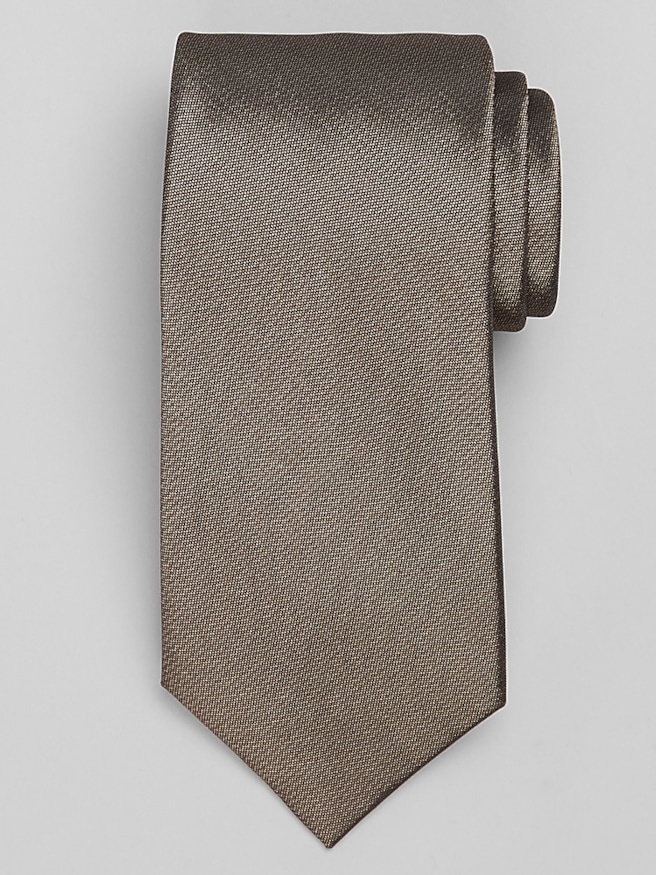
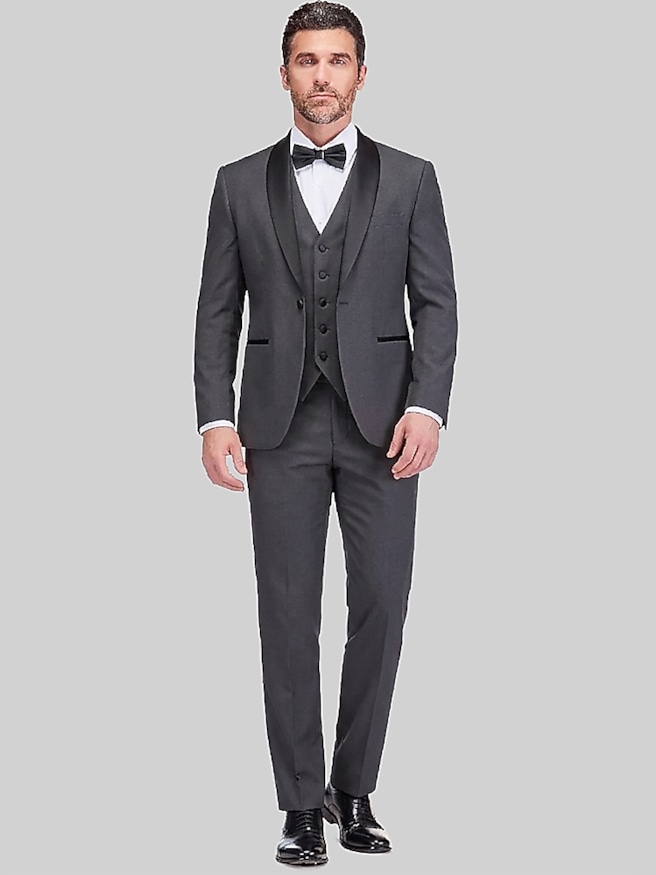
A green tie pairs naturally with navy, charcoal, gray, black, or tan suits, with the shade of green, fabric texture, and occasion shaping the overall look. Against navy tailoring, forest and hunter green create a rich combination that feels polished without drawing attention away from the face. A crisp white shirt keeps the contrast clear, while a light blue shirt softens the effect for business meetings, wedding celebrations, and dressy dinners. Charcoal suits work especially well with deep green silk ties because both colors have enough depth to look balanced together. Olive brings a more understated character to charcoal, particularly when the tie has a matte or subtly textured finish. With a medium-gray suit, sage offers a gentler accent, while emerald gives the outfit a more noticeable focal point. Black suits provide a sharp backdrop for emerald or dark green ties; a white shirt helps separate the colors and gives the combination definition for evening occasions. Tan and beige suits pair comfortably with sage, olive, and muted green, especially when the shirt is white or ivory and the accessories remain restrained. Undertones matter as much as color names: a yellow-toned olive can feel earthy beside tan, while a blue-toned emerald looks especially clear against charcoal or navy. Solid green ties let the fabric and color carry the outfit, making them easy to coordinate with checked jackets or striped shirts. Small dots, restrained paisley, and woven geometric patterns add interest to plain tailoring without overwhelming it. When both the shirt and tie have patterns, contrasting their scale helps each remain distinct; a fine shirt stripe can sit comfortably beneath a larger, more widely spaced tie pattern. A white pocket square is a dependable finishing touch, while a patterned square can echo a small amount of green without duplicating the tie exactly. The result is a coordinated suit-and-tie combination with enough individuality for a celebration and enough restraint for professional settings.
Material gives a green tie much of its character, influencing everything from the way it catches light to how neatly it forms a knot. Smooth silk can make forest green look deep and luminous, while a satin weave creates a more reflective surface that gives emerald a dressier presence. Silk jacquard introduces woven detail, adding dimension even when the pattern uses closely related shades. Grenadine has an open, textured weave that brings depth to a solid color without relying on a printed motif. Wool ties generally have a softer, more matte appearance, making olive and muted green feel at home beside textured tailoring. Linen has a visible fiber texture and a less glossy finish, while knitted ties create a relaxed contrast with a structured jacket. Blended fabrics vary in feel and performance, so the fiber content and care label are more useful than appearance alone when considering maintenance. A well-balanced tie has enough body to form a clean knot but still drapes naturally down the shirt; excessive stiffness can make the knot bulky, while very soft construction may produce a smaller knot. Tie width works best when it relates to the jacket lapels and the wearer’s proportions rather than following a single measurement. A narrower tie usually complements slimmer lapels, while a broader tie can balance more substantial tailoring. The knot should also sit comfortably within the shirt collar. A four-in-hand creates a slightly asymmetric shape suited to many point collars, while a half-Windsor offers a fuller, more symmetrical appearance for collars with greater spread. Once tied, the front blade should generally finish near the waistband or belt buckle, with the narrow blade kept discreetly behind it. These details look most convincing when the suit itself fits well: shoulders should sit cleanly, the jacket collar should lie against the shirt collar, and the trousers should hang without pulling at the waist or pooling heavily over the shoes. A green tie becomes a stronger accent when the surrounding lines are neat and comfortable, whether the suit has a close-fitting or more generous silhouette.
Green ties suit a broad range of occasions because their effect can move from quiet and traditional to bright and celebratory. For an interview or an important client meeting, a dark green tie with a navy or charcoal suit and a plain white shirt offers personality within a restrained outfit. For a wedding, sage can create a softer coordinated look, while hunter or emerald brings deeper color to the wedding party’s tailoring. When several people need coordinated ties, matching the shade and finish matters: two ties described as green may look noticeably different if one is glossy and the other matte. A groom’s tie can share the group’s color while using a distinct texture or understated pattern, creating a subtle point of difference in photographs. Guests can use green as an accent without matching every accessory, pairing it with a neutral pocket square and shoes appropriate to the suit’s formality. A dark suit with a green necktie can work well for many dressy invitations, although a traditional black-tie dress code generally calls for a tuxedo and black bow tie rather than a colored necktie. For another color direction, a Gold Suit Tie combination brings a warmer accent to neutral tailoring. Green ties also make thoughtful gifts for graduates, fathers, partners, or anyone building a professional wardrobe, particularly when the shade complements suits and shirts already worn regularly. A solid or small-scale pattern is often easier to integrate than a bold motif. Lasting good looks depend on thoughtful care as well as fabric and construction. Untying the knot after each wear helps prevent persistent creases, and storing the tie loosely rolled or on a suitable tie rack keeps it from being crushed. Spills should be blotted gently rather than rubbed, with cleaning handled according to the care label; structured silk ties often benefit from professional attention. Avoiding sharp accessories and rough surfaces helps protect delicate weaves from snags. With appropriate care, a well-chosen green tie can remain a dependable finishing touch across business attire, wedding outfits, and personal milestones.