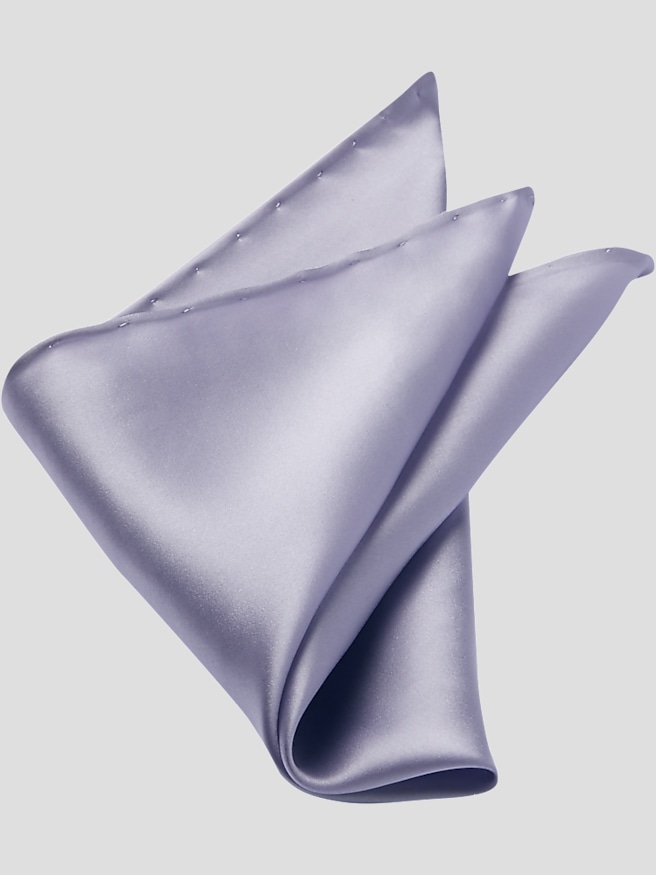
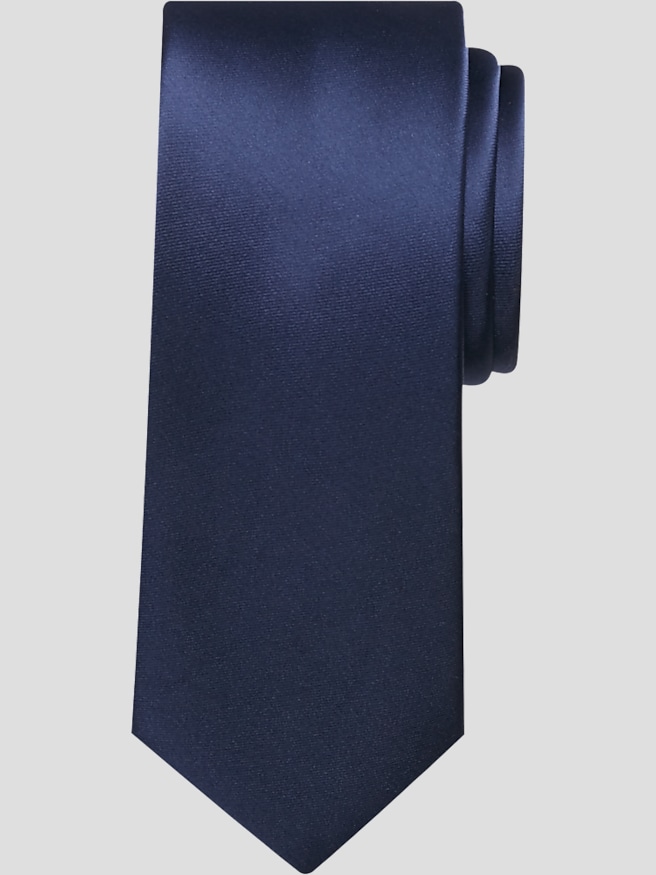
Stylish pocket squares add color, texture, and a considered finishing touch to a suit, tuxedo, or sport coat without changing the structure of the outfit. Worn in the jacket’s breast pocket, these small fabric accessories create a visual connection between the jacket, shirt, and tie. Their appeal lies in the balance of restraint and personality: a narrow line of white against navy looks crisp and intentional, while a softly gathered patterned square can give the same jacket a more relaxed character. A pocket square is decorative rather than a substitute for a handkerchief, so keeping a separate handkerchief for practical use helps preserve its shape and appearance. For office presentations, wedding celebrations, evening receptions, and dinners that call for a jacket, the right accent can make familiar tailoring feel more distinctive. Coordination generally looks more natural than an exact match to a necktie. A small accent color in a paisley or geometric print can echo the tie, while another shade relates to the shirt or jacket. A burgundy detail beside a navy tie, for example, adds depth without making the accessories look like a uniform set. With a patterned jacket, a solid or restrained border can keep the overall effect composed; against a plain jacket, a larger motif has more room to stand out. The amount of fabric visible matters as much as the design. A straight, or presidential, fold creates a clean horizontal edge, a puff brings soft curves and volume, and a point fold introduces an angular accent. These shapes are styling options rather than strict dress-code rules, although understated folds often sit comfortably with formal tailoring. A crisp white linen square is a traditional companion to black-tie attire, while a textured solid can finish a tie-free sport coat look without feeling overdressed. The best effect is an accent that belongs with the outfit, not one that competes with every other detail.
Fabric determines how a pocket square catches the light, holds a fold, and settles into a jacket pocket. Silk has a smooth surface and fluid drape, making it especially suited to soft puffs and folds that reveal several parts of a print. Its sheen can add contrast to a matte suit fabric, though the degree of shine varies with the weave and finish. Linen has a more textured appearance and enough body for defined edges, with natural creasing that contributes to its character. Cotton often offers a matte finish and a crisp, approachable look, making it useful for both tailored business outfits and less formal sport coats. Wool and blended fabrics can introduce a softer, more substantial texture that complements jackets with visible weave or surface detail. No single material belongs exclusively to one occasion; the relationship between fabric, fold, and jacket is what makes the combination convincing. Size also affects performance, even though pocket squares do not have a body fit like shirts or trousers. A lightweight square needs enough fabric to stay supported inside the pocket, while a thicker one can become bulky if too much material is tucked beneath the visible fold. Pocket depth and opening width vary between jackets, so a square that sits neatly in one coat may need a different fold in another. The visible portion should look intentional without pulling the pocket outward or creating a lump beneath the chest. Finishing details matter here, too: even stitching, secure corners, and neatly finished hems help the fabric withstand repeated folding. Hand-rolled edges can give an exposed border a rounded, dimensional appearance, while a finely stitched hem can provide a flatter outline. Prints introduce another consideration because a border, center motif, or contrasting reverse may appear differently depending on the fold. Explore Purple Pocket Squares for a color direction that pairs naturally with charcoal, navy, and gray, from subtle lavender accents to deeper plum tones. A narrow glimpse of color can be enough to give a familiar jacket a fresh point of interest.
Thoughtful care helps pocket squares retain their color, finish, and usefulness through repeated wear. The care label should determine the cleaning method, particularly for silk, wool, and blends, since fibers, dyes, and construction can respond differently to water and heat. Some cotton or linen squares may be washable, but that should not be assumed from the fabric name alone. Strong rubbing can disturb delicate surfaces, and aggressive spot treatment may leave a visible mark or affect a printed design. Professional cleaning may be appropriate when the label calls for it, especially after a stain that cannot be safely treated at home. Pressing also deserves care: the recommended temperature and any protective cloth should follow the fabric’s instructions, and rounded hems should not be flattened unnecessarily. After an event, unfolding the square and storing it clean and dry helps prevent a compressed shape from becoming difficult to relax. A smooth drawer or divided accessory tray keeps delicate edges away from rough hardware, while avoiding overcrowding makes colors and patterns easier to see. Durable construction is valuable, but longevity also depends on handling; a fine silk square will not respond to friction in the same way as a sturdy cotton one. These practical differences make intended use worth considering. Someone who wears a jacket to work several days a week may appreciate an understated square that coordinates with several shirts and ties, while a wedding guest may prefer a richer color or expressive pattern that gives formal clothing a personal touch. Pocket squares also make thoughtful gifts for graduates, grooms, wedding attendants, and anyone building a tailored wardrobe, since they do not require a collar measurement or trouser size. The recipient’s usual jacket colors and preferred level of contrast are more useful clues than an exact matching set. Whether tucked into a favorite blazer for dinner or arranged neatly in a tuxedo pocket, a well-chosen square brings individuality to tailoring through a small detail that remains easy to wear again.