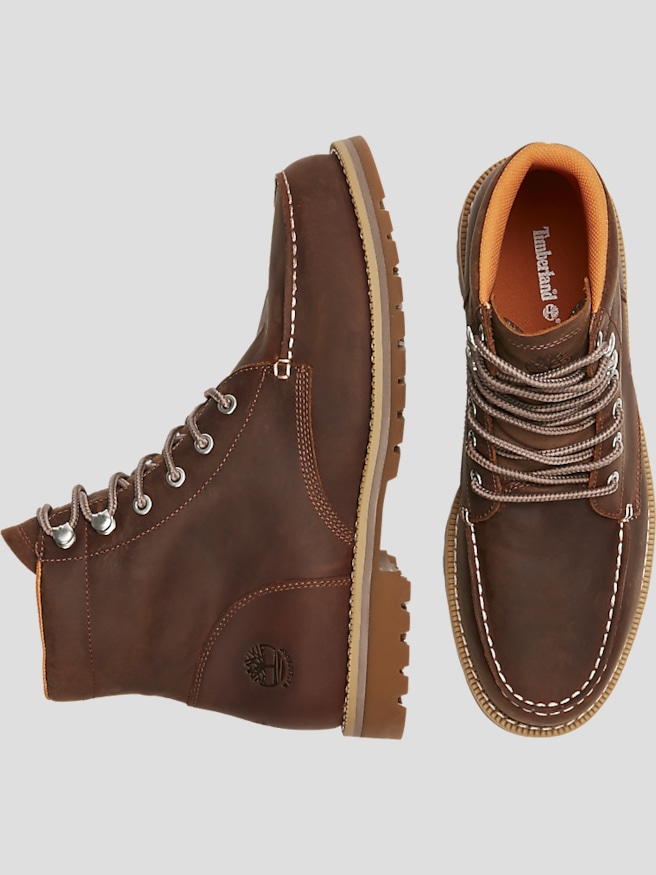
Stylish boots for men give everyday outfits a grounded, finished look, whether the combination is dark denim and a knit polo or tailored trousers and a jacket. Their appeal comes from the balance between shape and substance: a defined toe, a well-proportioned shaft, and an outsole that feels visually right with the clothing above it. A slim profile can complement a streamlined wardrobe, while a broader toe and more substantial sole lend themselves to relaxed denim, textured fabrics, and casual layers. Smooth leather has a clean presence that can move comfortably between an office setting and dinner afterward. Suede brings a softer finish, adding depth to simple combinations without relying on bold colors or prominent detailing. Black boots create a crisp foundation for charcoal trousers and darker denim; brown shades pair naturally with navy, olive, gray, and earth tones. The most useful color is often the one that works with the pants, belts, and jackets already worn most frequently. Pull-on silhouettes keep the upper uncluttered, while lace-up designs introduce detail and allow more adjustment across the foot and ankle. Neither approach needs elaborate styling to make an impression. A trouser hem that falls neatly over the boot helps preserve the line of the leg, while an overly narrow opening can bunch around the shaft. With jeans, a clean break or restrained cuff can show the boot’s shape without turning the footwear into the entire outfit. For a dressed-up occasion, refined boots with a modest sole and minimal ornamentation can work well with tailored separates when the dress code allows. They bring a slightly less conventional finish than low-cut dress shoes while retaining a considered appearance. More pronounced soles and visible stitching create a casual character that suits a weekend lunch, a concert, or an informal gathering. These distinctions make boots a versatile footwear category rather than a single look: the right proportions can feel understated, rugged, polished, or relaxed, depending on the rest of the outfit. Even small details, such as the height of the heel or the curve of the toe, can change that impression.
Materials and construction influence how boots feel just as much as how they look. Leather uppers can develop creases and character with wear, though the finish, thickness, and underlying construction all affect that process. A smooth finish is generally easier to wipe clean, while suede benefits from tools and treatments intended for its textured surface. Some boots use synthetic materials or combinations of materials, so the care label matters more than assumptions based on appearance. Linings, seams, and insoles also deserve attention because they are the surfaces closest to the foot. A neatly finished interior can help reduce rubbing, and cushioning may make a noticeable difference during a day that includes a commute, meetings, and an evening out. Fit should feel secure without compressing the toes or creating pressure across the instep. The foot needs room to move naturally, particularly at the widest point, and the toes should not strike the front during ordinary walking. A small amount of heel movement can occur in some pull-on designs, but repeated slipping or rubbing suggests that the shape or size may not be suitable. Lace-up boots offer adjustment, yet tightly drawn laces should not be needed to compensate for an otherwise loose fit. Trying boots with the socks intended for regular wear gives a more realistic sense of space and comfort. There should also be enough flexibility for a natural stride; stiffness that causes pinching is not something to dismiss as an inevitable part of breaking in a pair. Underfoot, a lower-profile outsole often looks more refined, while a thicker rubber sole can provide a more substantial feel and added grip, depending on its tread and compound. Construction affects long-term upkeep as well. Some methods allow outsole replacement by a qualified repair professional, while others do not. Durable footwear is not simply a matter of a heavy upper or a thick sole; sound stitching, suitable materials, a compatible fit, and use that matches the boot’s design all contribute to how well a pair holds up.
Regular care helps preserve the details that make boots look distinctive. Dust and grit can settle around seams, along the welt, and near the heel, so gentle cleaning after wear keeps those areas from becoming neglected. Smooth leather generally benefits from an appropriate cleaner and occasional conditioning according to the maker’s directions; too much product can leave residue or alter the finish. Suede calls for a dedicated brush and a light touch rather than the creams used on smooth leather. Any treatment is best tested on an inconspicuous area first, especially when preserving a pale shade or a particular texture matters. If boots become damp during cleaning or ordinary use, letting them dry naturally away from direct heat helps protect the materials. Suitable shoe trees can support the shape between wears, and giving each pair time to air out helps keep the interior fresh. Attention to worn heel edges, loose stitching, or a separating sole can prevent a small issue from becoming more difficult to address. Those habits are particularly useful for boots worn repeatedly to the office or taken on trips, where one versatile pair may need to complement several outfits. For a broader footwear selection with a similar emphasis on style, explore Stylish Winter Shoes for Men. Boots can also make a thoughtful birthday, graduation, or anniversary gift for someone who appreciates practical wardrobe pieces with personality. Familiarity with the recipient’s usual size is helpful, but preferred fit, sock thickness, and everyday clothing matter too. A person who wears tailored trousers may favor a cleaner silhouette than someone whose wardrobe centers on relaxed jeans. Whether chosen as a gift or as part of an everyday footwear rotation, the strongest match combines an appealing shape with comfortable movement and manageable care. That combination gives boots a lasting place in a wardrobe, ready for the familiar routines and occasions that make personal style feel lived-in rather than staged.