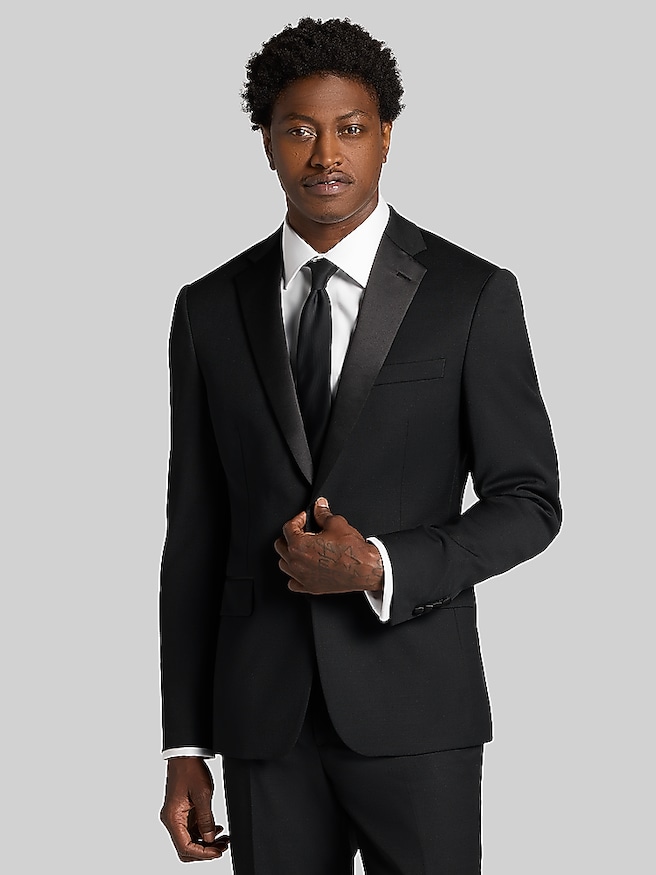
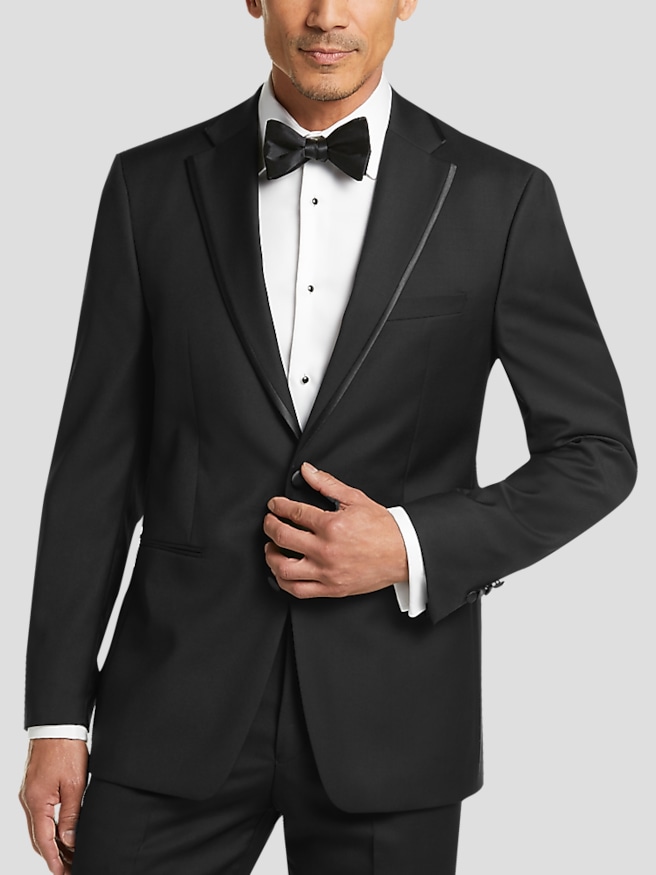
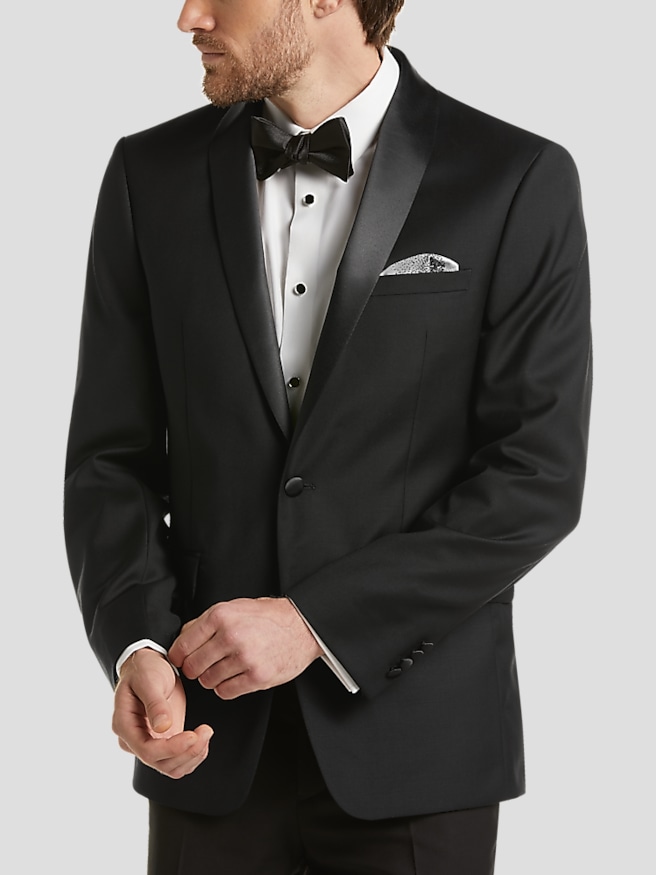
Stretch tuxedos bring a little ease to clothing made for some of life’s most dressed-up moments. The appeal is simple: a crisp formal silhouette that leaves room to sit through dinner, reach across a table, and spend time on the dance floor without feeling overly restricted. For weddings, black-tie celebrations, galas, and formal performances, that balance of structure and movement can make a meaningful difference over several hours of wear. A tuxedo still gets its character from details such as contrasting lapels, a carefully shaped jacket, and trousers with a clean drape; stretch adds flexibility without replacing those traditional elements. The fabric’s composition helps determine how that flexibility feels. Wool blends can provide a refined surface and graceful drape, while blends incorporating synthetic fibers may offer other combinations of texture, resilience, and ease of care. Elastane, sometimes identified as spandex, gives certain fabrics additional give, though the amount and direction of stretch vary by construction. A small percentage on a fabric label does not tell the whole story: the weave, fabric weight, lining, and internal structure also influence how a finished tuxedo moves. Some stretch fabrics feel smooth and closely woven, while others have a subtle texture that becomes noticeable up close. Black creates a sharp contrast with a white formal shirt, and midnight blue offers another established choice for many black-tie settings. The finish matters as much as the color. Satin brings a smooth gleam to a lapel, while grosgrain has a finely ribbed texture and a more restrained sheen. Together, these elements give stretch tuxedos their particular appeal: recognizable formalwear with comfort built into the fabric rather than a noticeably casual appearance. For someone who wears a tuxedo occasionally, that added ease can help unfamiliar formal clothing feel more natural. For someone who attends formal events regularly, it can be a welcome part of a polished, repeatable wardrobe.
Fit gives a stretch tuxedo its shape, and the best results come from allowing the fabric to move rather than asking it to compensate for tight sizing. A jacket should sit neatly across the shoulders, with a collar that rests close to the shirt and lapels that lie smoothly against the chest. Pulling around the front button, pronounced wrinkles across the back, or pockets that flare away from the body can interrupt the clean lines that make formalwear distinctive. Stretch may soften the feeling of restriction, but it does not erase those signs. A slim silhouette follows the body more closely, while a roomier cut leaves additional ease through the torso and legs; either can look intentional when the proportions suit the wearer. Jacket length, sleeve length, and trouser rise all affect the overall balance. A shirt cuff visible below the jacket sleeve provides a precise finishing detail, and trousers should sit securely at the intended waist position without requiring constant adjustment. Through the seat and thighs, enough room for a comfortable stride helps preserve a smooth drape when standing. Picture the changes in posture throughout an event: standing for photographs, sitting at a closely arranged dinner table, then getting up to greet another guest. Those ordinary movements reveal more about comfort than a few still moments in front of a mirror. The lining deserves attention, too, because the outer fabric’s flexibility is only one part of the garment’s construction. Armholes, sleeves, seams, and trouser shaping all contribute to usable movement. Alterations can refine sleeve and trouser lengths or improve the balance through the body, but substantial changes to the shoulders or overall proportions are more involved. Starting with a suitable cut gives tailoring a stronger foundation. The goal is a tuxedo that remains composed in photographs and feels comfortable enough that the wearer can focus on the people and occasion instead of repeatedly tugging at a sleeve or waistband.
Styling a stretch tuxedo works best when the supporting pieces respect its formal character. A white tuxedo shirt, a well-proportioned bow tie, and polished formal shoes establish a clear foundation, while cuff links and a neatly folded pocket square add detail without overwhelming the jacket. The bow tie’s scale should feel balanced against the face and lapels rather than disappearing beneath a broad collar or extending far beyond it. A peak lapel creates a pointed, angular line across the chest; a shawl collar frames the shirt with a continuous curve. Both have a long place in formal dressing, and the choice can reflect personal taste as well as the tone of the event. Waist coverings and shirt-front treatments can further shape the finished look, with the invitation’s dress code remaining the most useful reference. For additional styling inspiration, explore Tuxedo Trends. Keeping that finished appearance over time depends on care suited to the actual fabric and construction. Stretch does not automatically make a tuxedo machine washable, wrinkleproof, or resistant to every kind of wear. The care label should determine the cleaning method, and a cleaner experienced with structured formalwear can help protect lapel finishes, linings, and shaped areas of the jacket. Between occasions, a broad, supportive hanger helps the shoulders retain their form, while neatly hanging the trousers reduces unnecessary creasing. Letting garments air before placing them in a breathable garment bag helps keep them ready for their next outing. Repeated high heat or aggressive pressing can be unsuitable for some stretch fibers and contrasting trims, so pressing methods should follow the garment’s care requirements. Small issues such as a loose button or an opening seam are easier to address before another full evening of wear. With thoughtful fit, balanced accessories, and appropriate care, a stretch tuxedo can remain a dependable part of a formal wardrobe, bringing a familiar, comfortable feel to occasions that call for a distinctly polished appearance.