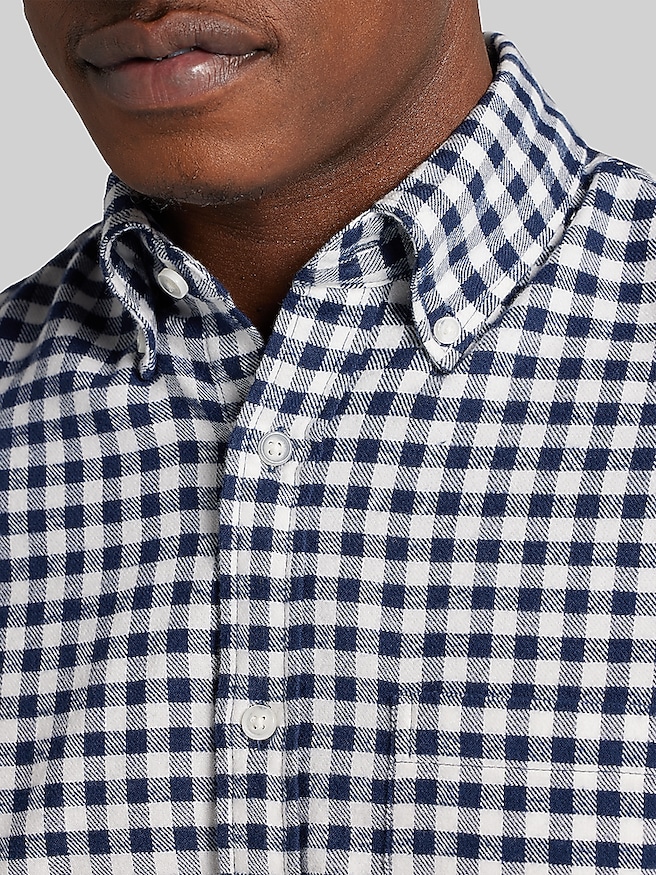
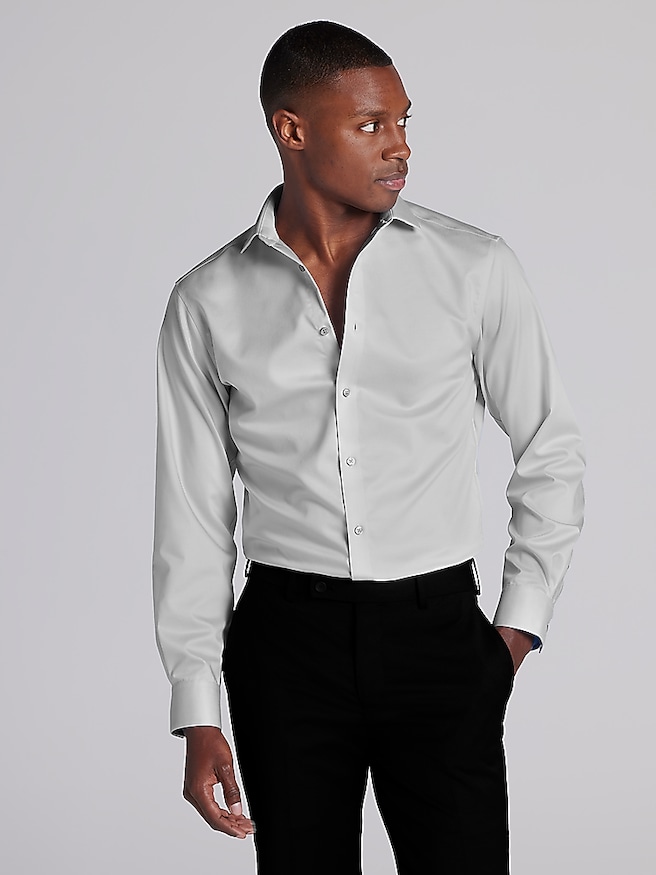
Spring work shirts balance a polished appearance with the comfort needed for a full day of meetings, commuting, and time spent moving between indoor and outdoor settings. Breathable fabrics, a comfortable fit, and a collar that holds its shape help a shirt feel appropriate from the first appointment to the last conversation of the day. For office and client-facing work, lightweight woven shirts offer a useful balance: enough structure to sit neatly beneath a jacket, without the substantial feel of heavier fabrics. Cotton poplin has a smooth surface and a crisp appearance that suits dress trousers and tailored separates. Fine cotton twill adds subtle diagonal texture and often drapes a little more softly, while a lightweight Oxford weave brings texture suited to business-casual settings. Fabric weight matters as much as the weave name, since shirts within the same fabric category can feel noticeably different. Linen and linen-cotton blends have an airy feel and a naturally relaxed texture; their tendency to crease is part of their character, making them particularly comfortable in workplaces where a less formal finish fits the dress code. Cotton blends can offer easier maintenance, while a small amount of stretch can make reaching for a laptop bag or sitting through a long presentation more comfortable. Moisture-wicking and wrinkle-resistant properties are useful considerations when identified in the fabric details, but neither should be assumed from appearance alone. Breathability, moisture management, and stretch serve different purposes, and the most suitable combination depends on the workday. A shirt for a desk-based role may prioritize a smooth finish under a blazer, while one worn for frequent travel between appointments may benefit from easier movement and less visible creasing. Within the broader range of spring shirts for men, work-ready styles emphasize these practical qualities alongside colors and patterns that coordinate easily with an established professional wardrobe.
Fit determines how well those fabric choices translate into everyday comfort. A spring work shirt should follow the shoulders cleanly, with shoulder seams sitting close to the edge of the shoulder rather than dropping down the upper arm. Across the chest, the button placket should lie flat without pulling open when seated. There should also be enough room through the back to reach across a conference table without the shirt feeling restrictive. Slim fits create a closer outline beneath tailored jackets, while classic fits provide more room through the chest and waist; neither fit should rely on excessive tightness or loose fabric to achieve its intended shape. Sleeve length deserves particular attention for shirts worn with a jacket, since cuffs should reach the wrist without covering the hand. A collar worn with a tie needs comfortable space when buttoned, while an open collar should settle neatly instead of collapsing beneath the jacket lapels. Button-down collars tend to feel at home with chinos and textured jackets, while spread and point collars can support a more formal combination. Hem length also affects the finished appearance. Longer shirttails help a tucked shirt stay in place through sitting, standing, and walking, while a shorter hem can suit an untucked business-casual outfit when workplace expectations allow it. Color and pattern offer room for seasonal character without distracting from the work itself. Pale blue, white, soft pink, and muted lavender pair naturally with navy, gray, tan, and olive trousers. Fine stripes and small checks add interest while remaining easy to combine with solid layers. A pale blue shirt with charcoal trousers can feel appropriate for a client presentation, while a subtle check with chinos fits a less formal team lunch. Very lightweight pale fabrics may be more transparent under bright office lighting, so opacity and any visible undershirt lines are worth considering. A smooth, low-profile undershirt can add coverage without creating bulky seams beneath the shirt.
Good care helps spring work shirts maintain their shape, finish, and usefulness through repeated wear. The care label remains the starting point because cotton, linen blends, stretch fabrics, and treated materials do not all respond to washing and heat in the same way. Excessive dryer heat can contribute to shrinkage or affect stretch fibers, while leaving shirts compressed in the dryer can set in avoidable creases. When the label permits machine drying, prompt removal and hanging can reduce the amount of finishing needed before work. Cotton shirts that require ironing are often easier to press while slightly damp, with particular attention to the collar, cuffs, and button placket. Wrinkle-resistant or non-iron finishes may simplify the routine, but they still benefit from proper washing, drying, and storage. A hanger that supports the shoulders helps a clean shirt keep its shape between wears, and a little space in the closet prevents sleeves and fronts from becoming tightly crushed. Durability also comes from everyday construction details: securely attached buttons, even stitching, reinforced stress points, and cuffs that retain their shape all contribute to dependable use. Collars and cuffs experience frequent contact with skin, desks, and jacket sleeves, making prompt attention to soil useful for maintaining their appearance. Rotating several shirts spreads wear and allows time for laundering without making every workday depend on the same garment. That practical rhythm is especially valuable for frequent commuters, professionals who travel, and anyone whose schedule moves from desk work to face-to-face appointments. Long sleeves offer flexibility beneath a jacket or lightweight sweater, while short sleeves can suit relaxed office dress codes and active client-service roles. For spring business travel, coordinated shirts in a few compatible colors make it easier to build several outfits around the same trousers and jacket. Work shirts can also make a thoughtful graduation or new-job gift when the recipient’s measurements, preferred fit, and workplace expectations are known. The most useful choices feel natural within the wearer’s routine: comfortable through a full day, straightforward to maintain, and polished enough for the moments when presentation matters.