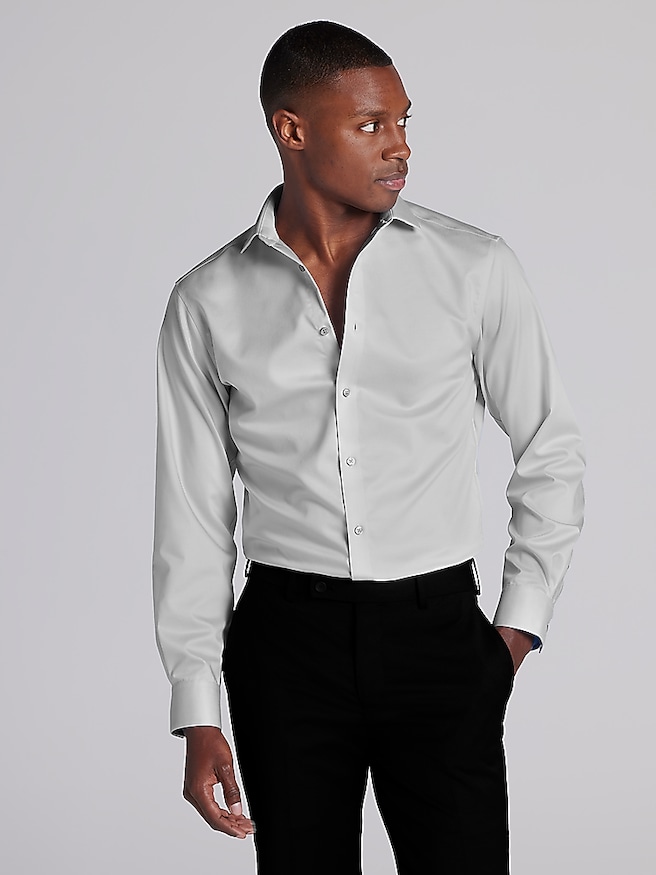
Spring shirts are lightweight shirts suited to the season’s mix of mild afternoons, breezy mornings, and occasions that call for anything from relaxed casual clothing to a jacket and tie. Common styles include short-sleeve button-front shirts, long-sleeve sport shirts, polos, and dress shirts in breathable fabrics. Their appeal comes from the balance of comfort and polish: an open collar feels easy at an outdoor lunch, while a crisp collar and neatly finished cuffs look appropriate across a conference table. Cotton, linen, lyocell, and blends each bring a distinct feel to this part of a wardrobe. Cotton is often soft and absorbent, with textures ranging from smooth poplin to the more substantial surface of an Oxford weave. Linen has a slightly irregular texture and an airy feel, with natural creasing that suits relaxed outfits. Lyocell typically offers a smooth touch and fluid drape, while blended fabrics can combine softness with stretch or easier care, depending on their construction and finish. Fabric weight and weave matter as much as fiber content. A loosely woven shirt may allow more airflow than a densely woven one, even when both use the same fiber, and a fine, pale fabric may be more transparent than expected. That makes opacity worth considering for a shirt worn without a jacket. Spring colors often include soft blue, pale pink, sage, cream, and white, balanced by navy or deeper earth tones. Stripes, small checks, botanical motifs, and subtle woven patterns add variety without requiring a complicated outfit. A fine stripe can sit comfortably beneath a solid sport coat; a more expressive print can serve as the focal point with plain chinos. For men who prefer a quieter look, a solid shirt with visible linen texture or a lightly pebbled weave provides interest without a bold pattern. These details give spring shirts a place in everyday wardrobes as well as outfits for celebrations, travel, and meals outdoors.
Fit determines whether that lightweight fabric feels comfortable through a full day or becomes something to keep adjusting. A well-fitting spring shirt generally sits smoothly across the shoulders, allows the arms to move forward without pulling sharply across the back, and closes without gaps between the buttons. Slim fits follow the torso more closely, while classic and relaxed fits leave additional room through the chest and waist; the most comfortable choice depends on body proportions and the intended use. Stretch can help with movement, but it does not replace adequate room through the shoulders or upper arms. For a long-sleeve shirt, cuffs should rest near the wrist rather than covering the hand, and a collar intended for a tie should close comfortably without pressing against the neck. Short sleeves look balanced when their openings leave room around the biceps rather than gripping them. Hem shape and length also influence how a shirt works in an outfit. Longer curved tails usually stay tucked more securely through sitting and reaching, while a shorter hem can create a cleaner line when worn untucked. Office days often favor a smooth finish, restrained pattern, and collar that holds its shape beneath a jacket. The Spring Work Shirts collection brings that workplace focus to the seasonal theme. Outside the office, a softly structured button-front shirt can pair with jeans for dinner or chinos for a graduation gathering. Polos offer another middle ground, with a collar that adds definition and a knit body that permits easy movement. For a spring wedding or another dressed-up occasion, the invitation’s dress code should shape the choice: a dress shirt suited to a suit serves a different purpose from an open-collar casual shirt. An undershirt close to the wearer’s skin tone can reduce contrast beneath a light-colored shirt, while a lightweight jacket adds coverage for a breezy patio or an air-conditioned room. The result should feel comfortable both standing for a photograph and sitting through a long meal.
Care and construction help determine how well spring shirts keep their shape, color, and texture through repeated wear. The care label is the starting point because two shirts with similar appearances may need different treatment based on their fibers, dyes, trim, or finishes. Some cotton shirts tolerate machine washing, while others require a gentler routine; linen and lyocell also need attention to the garment’s specific instructions. Excessive dryer heat can contribute to shrinkage or wear in certain fabrics, and removing a washable shirt promptly after drying can limit deep-set wrinkles. When permitted by the label, ironing or steaming restores a neater surface, though linen does not need to look perfectly flat to look well cared for. Crisp dress shirts generally call for more attention at the collar, placket, and cuffs than textured casual styles. A wrinkle-resistant finish may simplify upkeep, but it does not guarantee a completely crease-free shirt after hours in a suitcase or a full day at a desk. Durability is also visible in small construction details: even stitching, secure buttons, tidy buttonholes, and seams that lie flat all deserve attention. High-friction areas such as collar edges and cuffs tend to show wear first, particularly on shirts worn frequently for work. Following cleaning instructions and allowing garments to dry completely before storage supports consistent care without overcomplicating the routine. Intended use can help narrow the choice for travel, too. A shirt that coordinates with two pairs of trousers and looks appropriate under a jacket earns its space in a weekend bag, while a fabric with a naturally textured surface can make light creasing less noticeable. Spring shirts can also make thoughtful gifts for a graduate, a partner, or someone building a more versatile wardrobe. A familiar fit, a frequently worn color, and care requirements that match the recipient’s habits are more useful than guessing at an unfamiliar silhouette. Whether chosen for a busy workday, a family gathering, or a quiet weekend breakfast outside, the strongest options combine a comfortable cut, a fabric suited to the setting, and details that feel natural to wear.