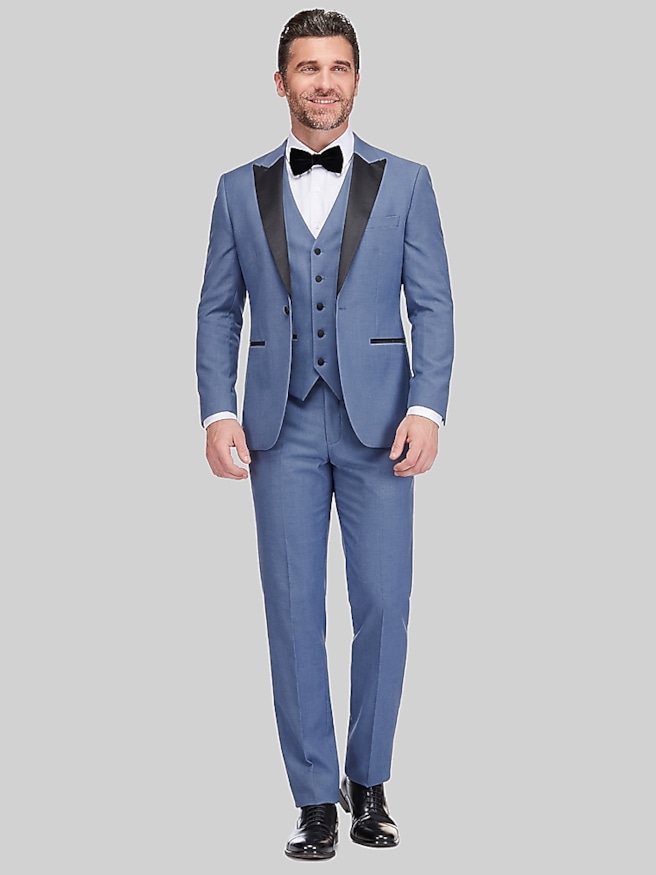
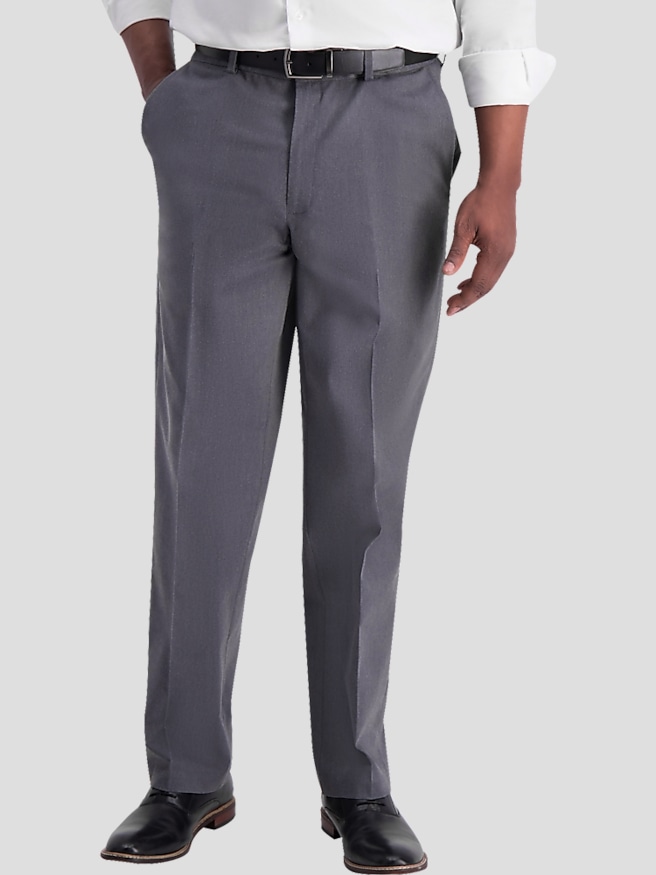
Spring graduation outfits balance polished tailoring, comfortable fabrics, and the way clothing looks beneath an academic gown. For graduates, that means an outfit that feels appropriate while crossing the stage, sitting through the ceremony, and gathering for photographs afterward. For guests, it means clothing that honors the occasion without feeling out of place at a campus reception or family lunch. Suits, sport coats, dress shirts, and tailored trousers provide a foundation, with the ceremony’s dress code setting the level of formality. A coordinated suit creates a clean, continuous line, while a separate jacket and trousers can feel slightly more relaxed for a less formal celebration. Navy, gray, and tan offer versatile starting points; pale blue, soft pink, and white shirts introduce contrast without competing with academic colors. Beneath a dark gown, a lighter shirt can frame the face clearly in portraits, and a neatly positioned collar keeps the visible portion of the outfit looking intentional. Fabric matters as much as color. Lightweight wool can offer a smooth drape and natural resilience, cotton provides a familiar feel, and linen brings texture with a more relaxed finish. Blends can balance these qualities, though the fabric’s weight, weave, and lining also affect comfort. Spring ceremonies may involve an outdoor procession followed by a crowded auditorium, making breathable construction and manageable layers useful considerations. A jacket that rests comfortably beneath the gown should not bunch at the shoulders or restrict the arms when reaching for a diploma. Ties can echo a school color in a restrained way, while subtle patterns add interest to the shirt-and-jacket combination revealed after the ceremony. The result is clothing suited to a meaningful day rather than a costume reserved for one photograph: polished enough for the stage, comfortable enough for the reception, and personal enough to feel familiar.
Fit has a noticeable effect on both comfort and photographs, especially when graduation plans include long periods of sitting, standing, and walking. Jacket shoulders should lie smoothly rather than extend beyond the natural shoulder line, and the front should close without pulling into an obvious crease. A trim silhouette can look sharp, but room through the chest and upper arms makes it easier to shake hands, embrace family members, and move through a busy reception. Trousers need a comfortable waistband when seated and enough space through the thigh for stairs and longer strides. A neat hem helps prevent fabric from pooling over the shoes, keeping the full outfit balanced in pictures taken after the gown comes off. Shirts deserve the same attention: a collar that sits comfortably with a tie, sleeves that allow easy movement, and a length that stays tucked through the ceremony all contribute to a composed appearance. These details matter for graduates and for guests who may spend much of the day moving between parking areas, campus paths, and event spaces. Footwear should suit those surfaces as well as the outfit. Dress shoes with a secure fit, a stable heel, and a sole appropriate for walking can make the trip from the ceremony to the celebration more comfortable. Leather uppers offer a polished finish, while the level of cushioning and flexibility depends on the shoe’s construction. Socks that complement the trousers create a more continuous line when seated, and a belt in a compatible leather tone adds a quiet finishing detail. Accessories work best when they support the outfit rather than dominate it. A restrained tie pattern, a neatly folded pocket square, or a simple watch can bring personality to tailored clothing. For attendees, a patterned shirt or textured jacket offers another route to a celebratory look, particularly when the invitation allows a more relaxed combination. Across these choices, proportion and ease tend to matter more than elaborate styling.
Graduation clothing also has value beyond the ceremony, especially when the pieces work separately as well as together. A versatile suit can serve for interviews, professional presentations, and other milestone celebrations, while a tailored jacket can accompany contrasting trousers for a dinner or reception. The same foundation can become a spring event outfit with a change of shirt, tie, or accessories, giving familiar clothing a distinct look for another occasion. That flexibility makes fit, fabric quality, and care important parts of the decision. Lightweight does not have to mean fragile: close, even stitching, secure buttons, and fabric that recovers reasonably well after sitting are useful qualities in clothing intended for repeated wear. Linen’s characteristic creasing contributes to its relaxed appearance, while some wool fabrics regain a smoother shape after time on a suitable hanger. Cotton shirts can offer a crisp finish, although laundering and pressing requirements vary by fabric and construction. Care labels remain the most reliable reference for cleaning, ironing temperatures, and whether professional attention is appropriate. After a long celebration, allowing garments to air out before storage helps keep them fresh, and broad, supportive hangers help tailored jackets retain their shape. Trousers stored neatly along their intended crease are easier to prepare for the next occasion. Shoes benefit from having dust removed and being cared for according to their material, particularly after outdoor photographs or a walk across campus. For family members choosing a graduation gift, versatile dress clothing or finishing accessories can recognize the achievement while supporting the graduate’s next chapter. Personal preferences still matter: a familiar color palette, a comfortable cut, and details suited to the recipient’s routine are more useful than an outfit that feels unfamiliar. Whether the day ends with a casual meal or a formal reception, thoughtfully chosen graduation clothing brings together ceremony, comfort, and lasting usefulness, with enough character to reflect the person wearing it.