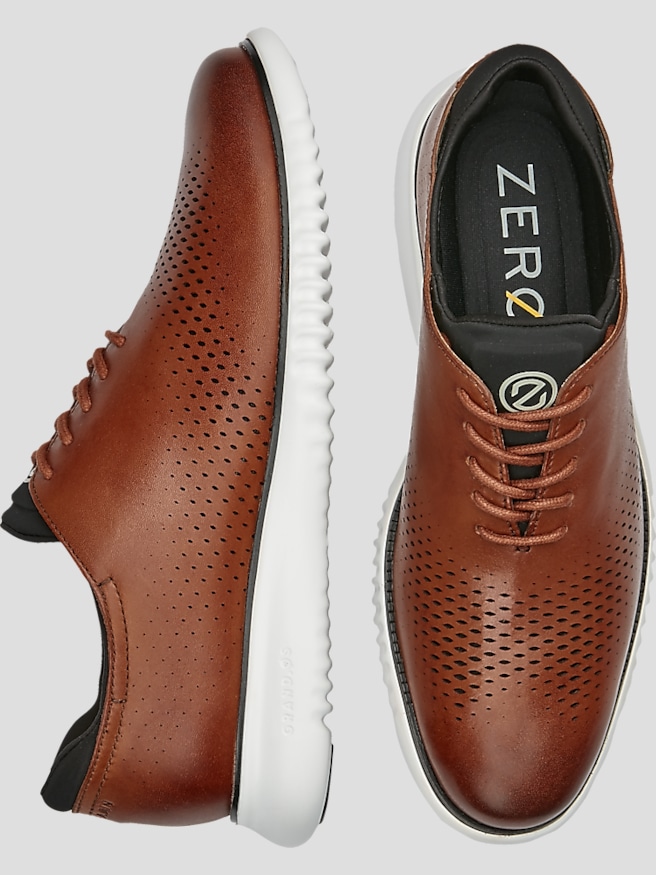
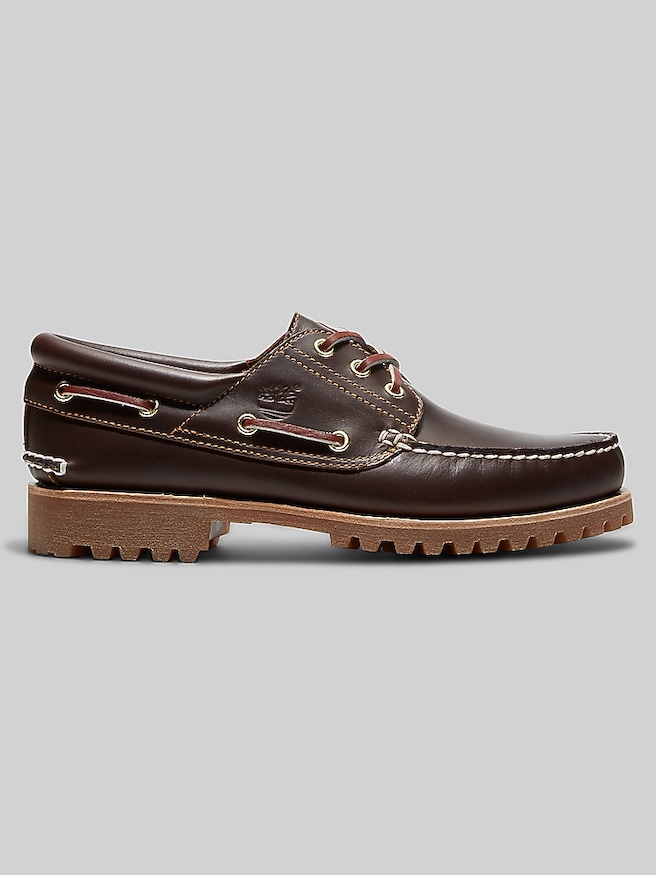
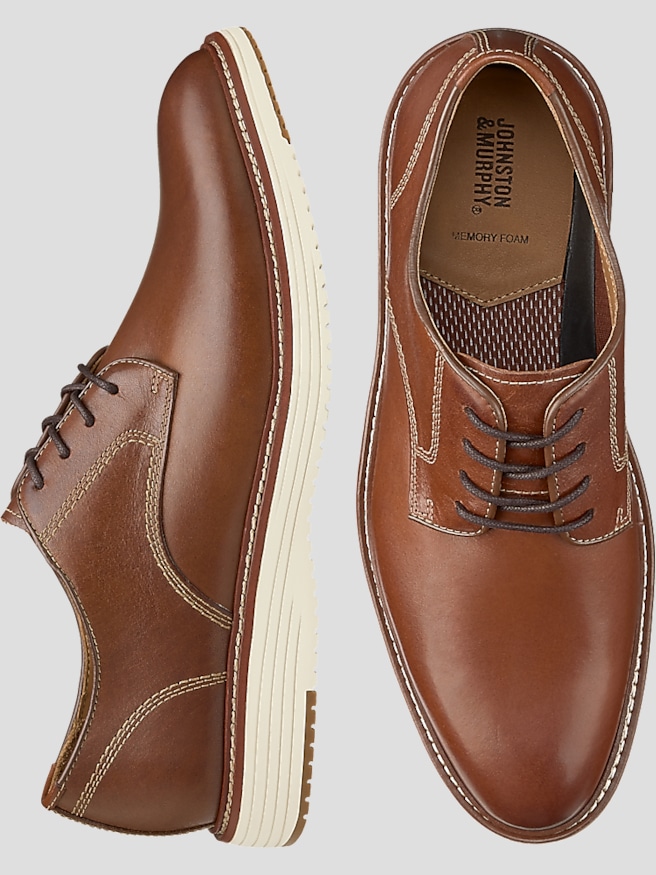
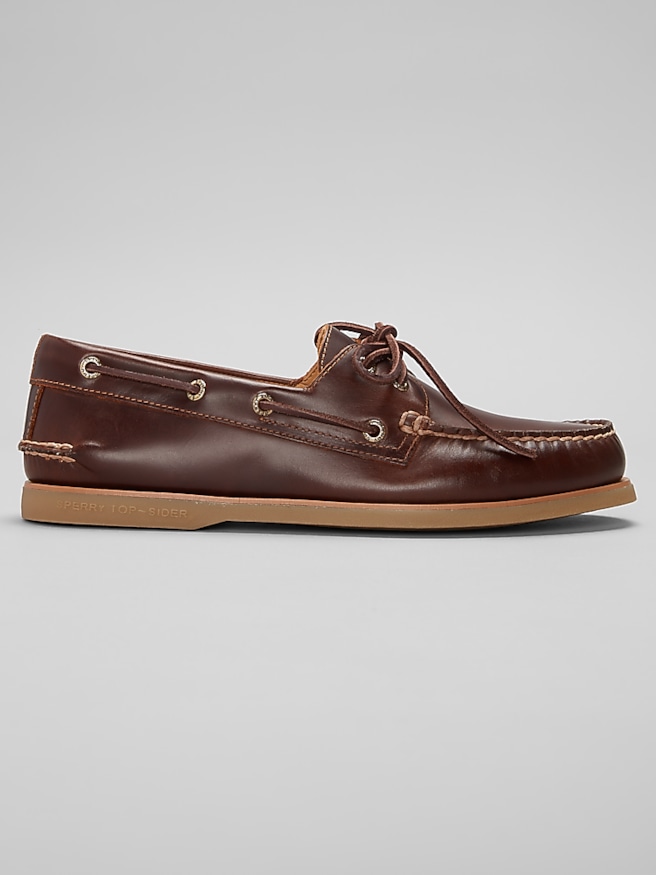
Spring boat shoes bring an easy coastal character to warm-weather dressing while offering the practical comfort needed for days spent on docks, patios, boardwalks, and city sidewalks. Their low-profile shape, moccasin-inspired stitching, and relaxed lacing make them feel casual without looking careless, which is why they remain a dependable choice for weekend trips, outdoor lunches, boat outings, and everyday errands. Traditional boat shoe construction often includes a non-marking rubber outsole with wave-pattern traction or razor-cut siping, helping provide steady footing on damp pavement, smooth decks, and other slick surfaces. That grip is especially useful when the weather shifts from bright and dry to breezy or wet, while the flexible sole keeps each step comfortable over long walks. Many styles also feature a 360-degree lacing system that wraps around the foot, allowing a more secure, personalized fit than a basic slip-on. Some wearers prefer to lace them traditionally for a neat, polished appearance, while others loosen the leather or fabric laces for an effortless, easygoing look. Moccasin stitching around the toe adds visual texture and reinforces the casual character of the shoe, creating a profile that pairs naturally with shorts, cuffed chinos, jeans, lightweight trousers, and relaxed summer tailoring. Spring boat shoes can transition smoothly into the cooler months as well, especially when worn with dark denim, a casual button-down, or a light sweater. For a more traditional appearance, neutral shades such as brown, tan, navy, gray, or black work across a broad wardrobe. Lighter colors and washed fabrics create a distinctly warm-weather feel, while deeper tones offer more versatility when evenings become cooler and outfits take on richer layers.
Material is one of the most important considerations when choosing spring boat shoes. Canvas, linen, and other woven textiles allow air to circulate around the foot, making them comfortable during warm, active days and giving them a relaxed, lived-in appearance. These lighter materials are often a natural fit for vacations, casual gatherings, and destinations where you may move between indoor and outdoor settings. Unlined or lightly lined designs can also feel less restrictive when temperatures rise, while breathable insoles help manage comfort during extended wear. Leather offers a different set of advantages. Full-grain and treated leather can develop character over time, resist everyday wear, and provide a more substantial feel underfoot. Leather styles may be particularly appealing to someone building a versatile casual wardrobe, since they can look at home with denim one day and refined chinos the next. Keep in mind that leather generally benefits from occasional cleaning and conditioning, while canvas may be easier to brush or spot-clean after a day outdoors. Regardless of material, look for a supportive footbed, smooth interior finishing, and enough room across the forefoot to allow natural movement without excessive sliding. A secure heel and snug but comfortable lacing are helpful for walking, though boat shoes should never feel tight around the toes. Consider how the shoes will be used before selecting a finish: a textured rubber sole is useful for wet or uneven surfaces, a flexible construction suits travel and casual walking, and a more structured leather upper can complement dressed-down office outfits. Because these shoes are often worn without visible socks, check the interior for seams or edges that could cause irritation, and allow them to air out fully after exposure to water or perspiration. Boat shoes are not a substitute for specialized performance footwear, but a well-made pair can handle the ordinary movement of a full day with comfort and dependable traction.
Spring boat shoes are also a thoughtful gift for someone who enjoys outdoor living, coastal travel, casual entertaining, or a wardrobe that favors timeless pieces over passing trends. They suit a wide range of recipients, from a college graduate refreshing his everyday shoes to a father who spends weekends near the water, a frequent traveler looking for lightweight footwear, or a friend who appreciates practical gifts with a polished finish. They are especially useful for people who prefer clothing that moves easily between settings: a single pair can accompany a morning coffee run, a casual lunch, a scenic walk, and an evening gathering without feeling out of place. When purchasing as a gift, pay close attention to size, width, and the recipient’s usual footwear preferences. If he typically wears thicker socks, a slightly roomier fit may be more comfortable, while someone who prefers barefoot wear may appreciate a softer lining and smooth seams. A neutral color is the safest choice for a first pair, but a washed canvas finish or brighter accent can add personality to an established wardrobe. Styling is simple: pair spring boat shoes with tailored shorts and a polo for a classic warm-weather look, wear them with rolled chinos and a casual knit for transitional days, or combine them with jeans and a lightweight overshirt when the air turns cooler. Although their name reflects their nautical roots, no boat is required; their appeal comes from the balance of relaxed styling, practical traction, breathable construction, and easy versatility. For those extending that same look into cooler-weather dressing, Mens Fall Boat Shoes offer a natural next step with deeper colors, sturdier materials, and layering-friendly styling. With proper care, the right pair can become a familiar part of a seasonal rotation, ready for bright afternoons, damp walks, and the unplanned detours that make time outdoors memorable.