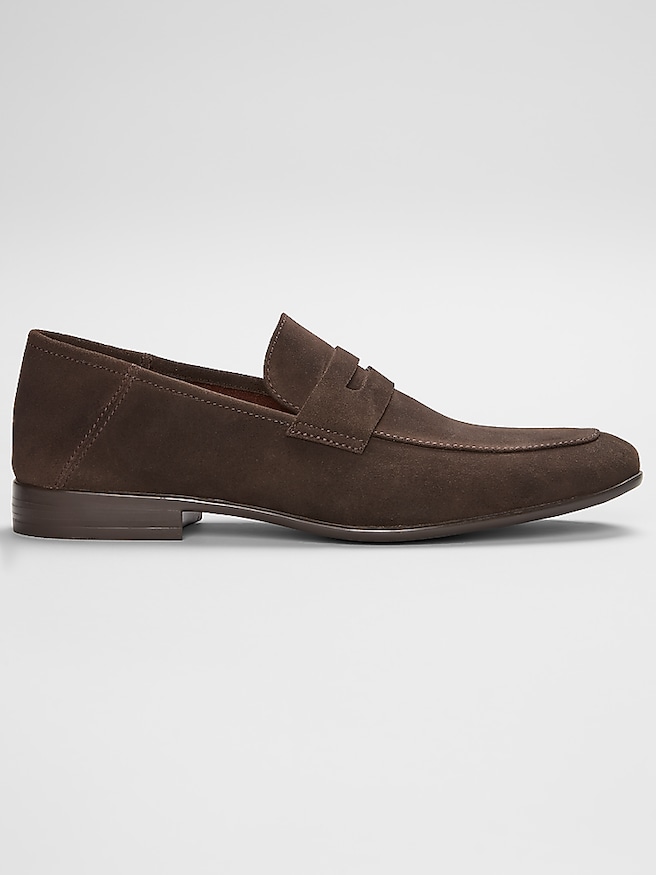
Sporty loafers are slip-on shoes that combine the recognizable shape of a loafer with sneaker-inspired features such as flexible soles, cushioned footbeds, and lightweight construction. Sometimes described as loafer-sneaker hybrids, they occupy the space between traditional leather footwear and casual athletic shoes. The upper may have a familiar moccasin seam, a band across the instep, or a clean, unadorned vamp, while the sole introduces a more relaxed profile. A contrasting sole can emphasize that athletic influence; a tonal sole keeps the effect quieter and closer to a classic loafer. Not every pair has the same construction, so the sporty designation describes an overall approach rather than a promise of particular performance features. These are generally everyday shoes for casual offices, meals out, travel, and other occasions that call for a polished appearance without a stiff, formal feel. They are not substitutes for footwear designed for running, court sports, or demanding exercise. Their appeal is especially clear with clothes that also sit between dressed-up and casual: tapered chinos, dark denim, a knit polo, or an unstructured jacket. A trim trouser opening gives the shoe a clear outline, while a hem that bunches over the upper can hide its shape. For a relaxed office outfit, navy chinos and a fine-gauge sweater let the shoes bridge tailored and casual elements without drawing too much attention. With jeans and an overshirt, the same silhouette adds a cleaner finish than a bulky trainer. The familiar proportions associated with Stylish Leather Loafers still matter, but sole thickness, texture, and color determine how far a sporty interpretation leans toward sneaker styling. A low-profile shape generally looks more understated, while a substantial sole makes the casual influence more visible. Matching that balance to an existing wardrobe is more useful than treating every hybrid loafer as equally dressy.
Fit deserves particular attention because sporty loafers usually rely on their shape, rather than adjustable laces, to hold the foot securely. The instep should feel comfortably supported, the toes should have room to move, and the heel should remain reasonably settled through a normal walking stride. A shoe that slips noticeably at the back or requires the toes to grip for stability is unlikely to become a dependable everyday choice. Likewise, pressure across the top of the foot is not something to dismiss simply because an upper feels soft. Leather may relax with wear, but that does not make an overly short or restrictive shoe an appropriate fit. Trying shoes later in the day, when feet may be slightly fuller, can give a more useful impression of everyday comfort. The socks intended for regular wear matter, too: a thin dress sock and a cushioned casual sock can change how the same shoe feels. No-show socks offer a bare-ankle appearance while providing a layer between the foot and the lining, provided they stay secure inside the shoe. Walk on a clean indoor surface and notice how the sole bends, whether seams rub, and whether the foot slides forward. Cushioning should feel comfortable without making the foot feel unstable, and a soft initial step should not be mistaken for support that suits every wearer. For someone who uses a prescribed insert, checking interior depth and whether the original footbed is removable is especially important; neither feature is universal. Intended use also helps narrow the choice. A commute with several walking stretches places different demands on footwear than a short drive to dinner, and extended standing may reveal pressure points that a brief fitting misses. Men who regularly move between office meetings and casual plans may appreciate this adaptable middle ground. As a gift, sporty loafers make the most sense when the recipient’s size, width, preferred sock thickness, and usual style are already known. Familiarity with those details is more valuable than choosing a pair solely for its appearance.
Materials and construction influence how sporty loafers feel, how they age, and how much attention they need. Smooth leather can develop creases and character with use, while suede has a softer, more textured appearance that pairs naturally with denim and casual tailoring. Knit or woven textile uppers can feel less structured, although breathability, stretch, and support depend on the specific fabric and lining. An unlined upper may feel quite different from a padded, fully lined one, even when their exterior shapes look similar. Underfoot, foam can reduce weight and soften impact, while rubber or other outsole compounds contribute their own balance of flexibility, wear resistance, and grip. A pronounced tread does not automatically establish slip resistance, and a thicker sole is not necessarily more durable than a slimmer one. Look instead at the intended use, construction details, secure attachment between upper and sole, and reinforcement in areas that receive repeated friction. Care should follow the material and the maker’s directions. Smooth leather generally benefits from regular dust removal, gentle cleaning, and an appropriate conditioner used sparingly. Suede needs a suitable brush and suede-specific cleaning methods rather than ordinary leather cream. Textile uppers may allow careful spot cleaning, but machine washing should never be assumed safe, particularly when adhesives, leather trim, or structured components are involved. Remove loose grit from outsole grooves, wipe away surface dirt before it becomes embedded, and allow cleaned shoes to dry naturally away from direct heat. Putting them away clean and fully dry helps protect linings and preserve their shape. A shoehorn can reduce repeated crushing at the heel, and correctly sized shoe trees may help structured leather uppers maintain their form. Alternating footwear also gives interiors time to dry between wears. With a suitable fit and care routine, sporty loafers can serve as a practical connection between tailored clothing and the easy feel of everyday casual dressing.