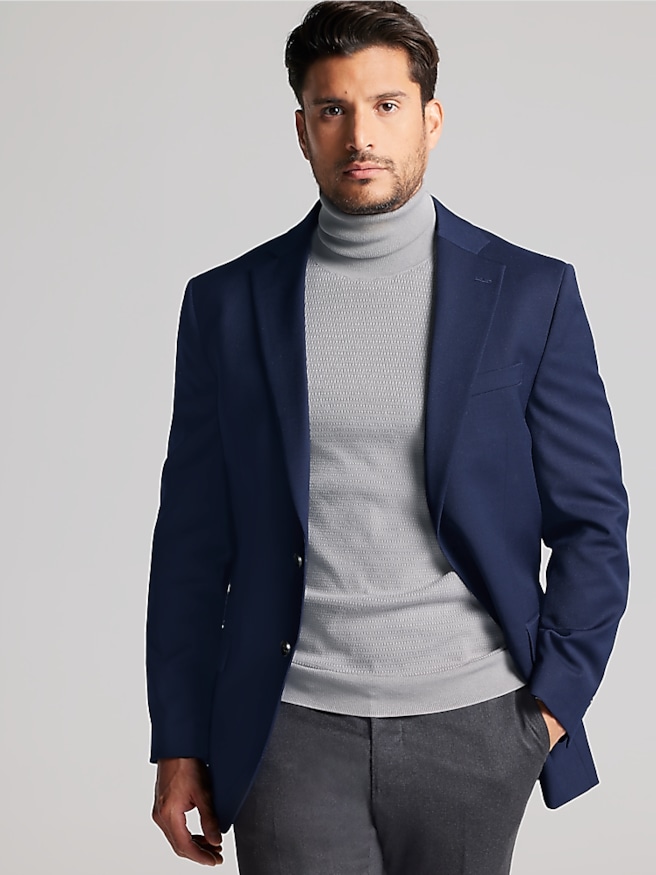
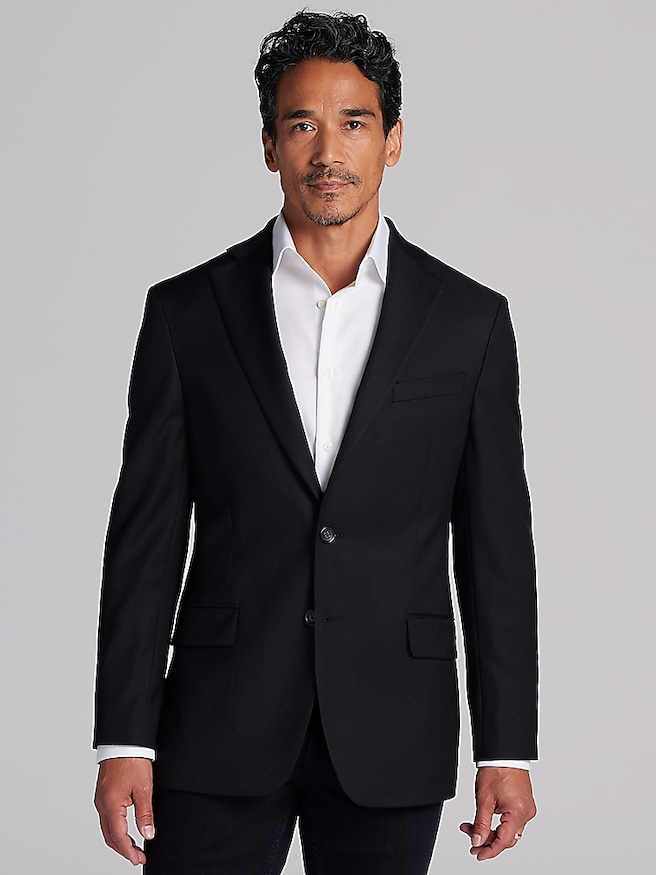
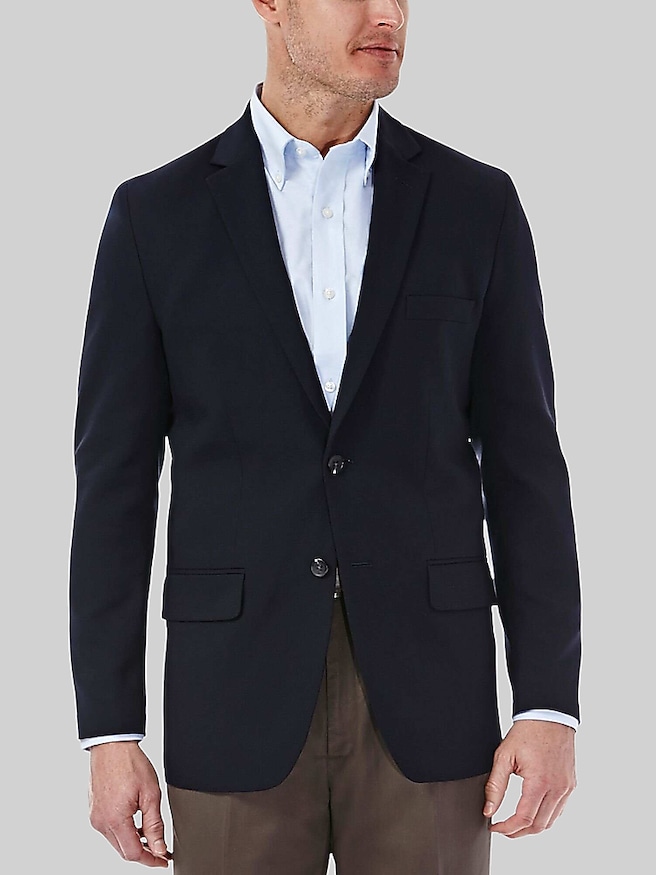
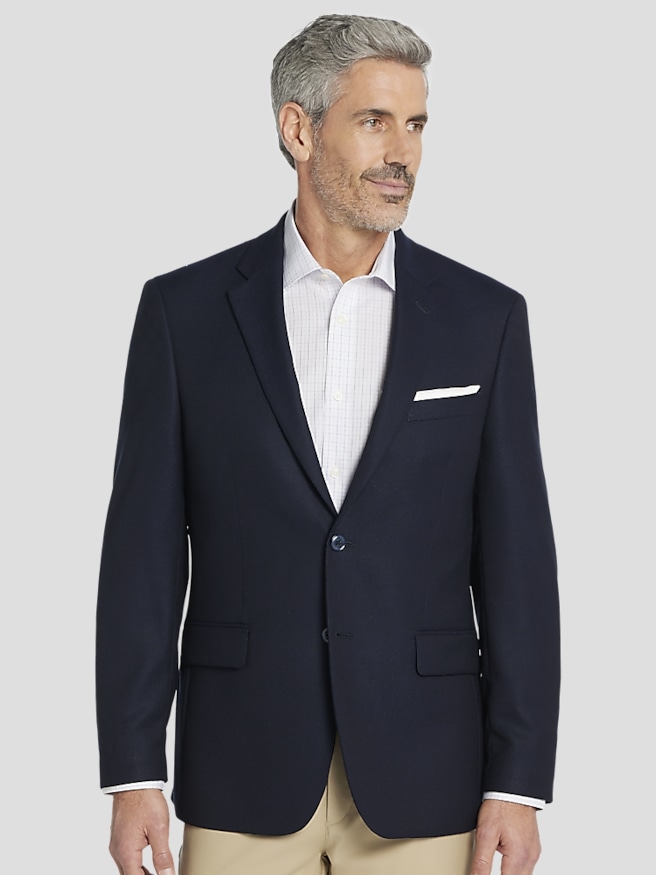
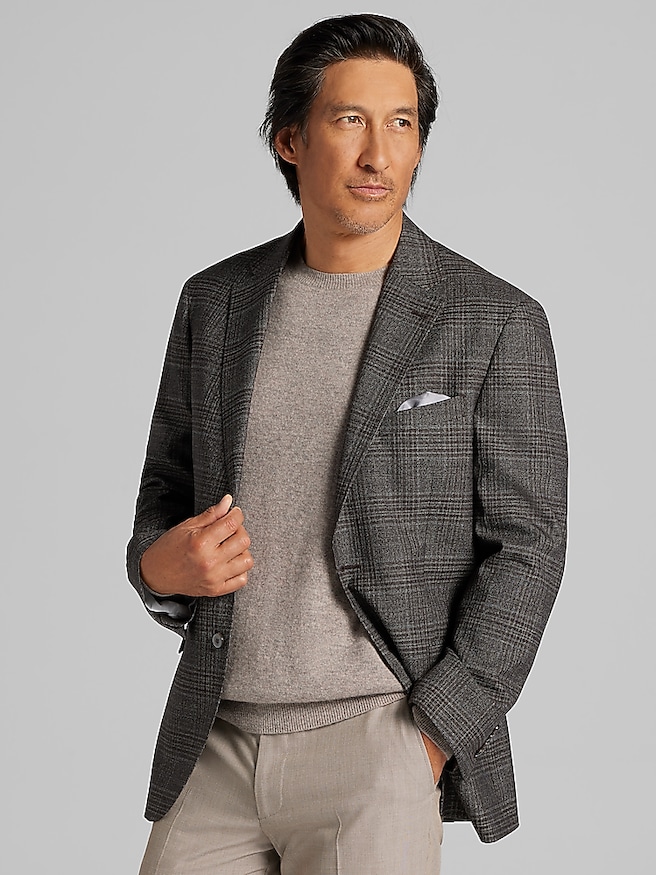
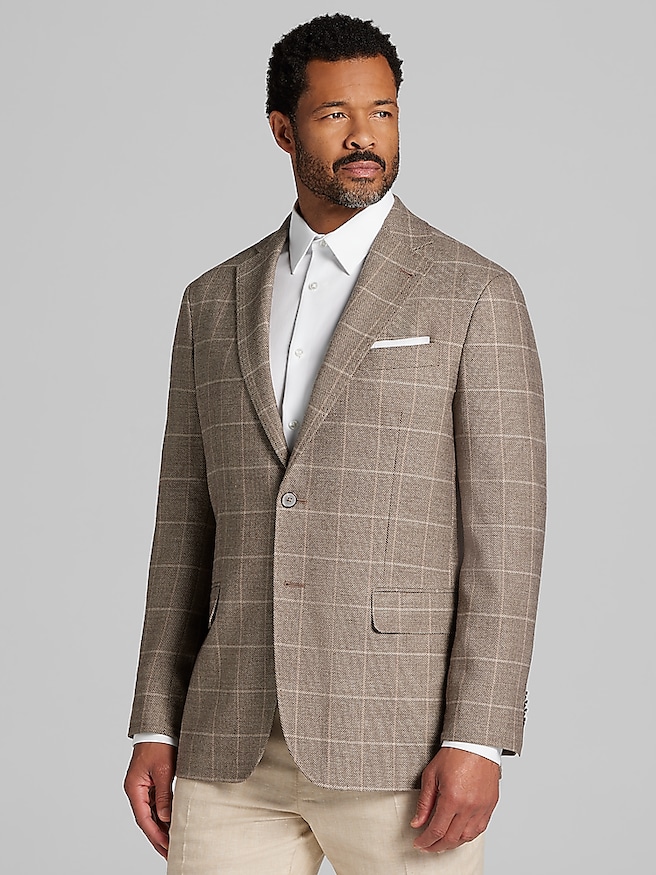
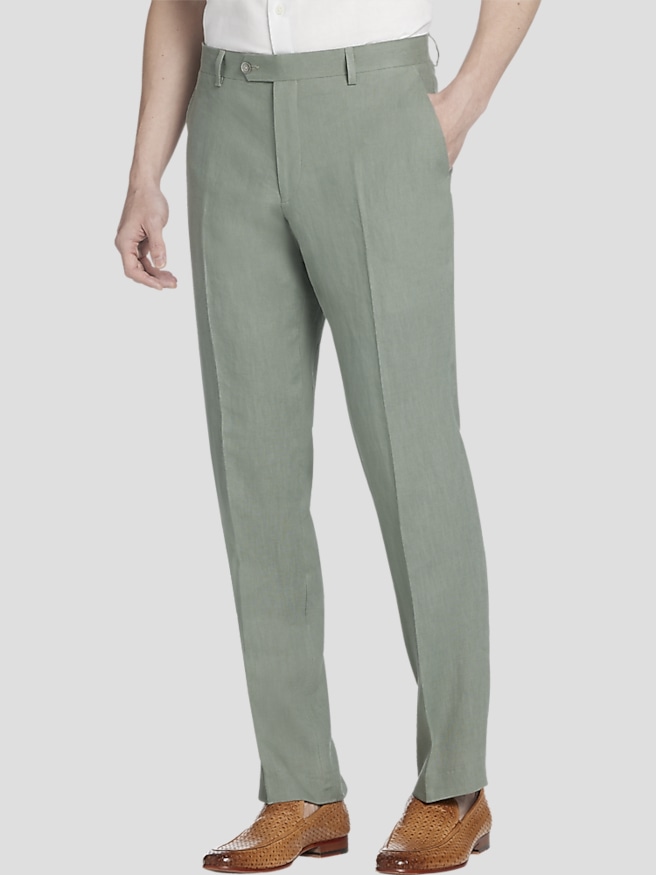
Sport coats for tropical wedding guests bring a sense of occasion to settings where the surroundings already make a strong impression: a ceremony beside turquoise water, a reception beneath palms, or dinner on a terrace overlooking the coast. The appeal is a tailored silhouette that feels celebratory without looking overly formal for the location. Fabric and construction make much of that balance possible. Linen has a textured surface and an easy drape, with natural creasing that suits a relaxed seaside setting. Cotton can provide a smoother, slightly crisper appearance, while linen blends may temper some of the rumpling associated with pure linen. Lightweight wool deserves consideration, too; an open weave can allow airflow while maintaining the clean lines associated with traditional tailoring. Fiber content alone does not tell the whole story, however. Fabric weight, weave density, lining, and internal structure all influence how a coat feels through an outdoor ceremony and an evening of conversation and dancing. An unlined or partially lined design may feel less enclosing, while a softly constructed shoulder creates a less rigid outline. These details matter when the celebration moves between a sunlit courtyard and an air-conditioned dining room. Color also helps establish the right level of formality. Navy has a familiar polish that works well against coastal scenery, while muted blue, sand, stone, and soft olive can complement a tropical setting without turning an outfit into a costume. Subtle texture often supplies enough visual interest on its own, especially when the invitation favors understated dress. Very pale shades deserve extra thought because they can photograph close to white; the couple’s requested palette and cultural traditions should take priority. The most suitable sport coat reflects both the setting and the invitation, whether that means a relaxed daytime celebration or a more dressed-up waterfront reception. A beach address does not automatically mean casual clothing, and a sport coat is not a substitute for the formal eveningwear required by a black-tie dress code.
Fit gives a lightweight sport coat its shape, especially when the fabric has a soft hand or minimal internal structure. The shoulder should sit cleanly, with no obvious overhang or pulling across the upper back. A collar that rests against the shirt, rather than lifting away from it, helps the whole outfit look settled. Through the chest and waist, enough room for natural movement matters more than an aggressively narrow outline. When the coat is buttoned as intended, the front should lie smoothly rather than forming pronounced tension lines around the closure. For a guest who will spend time seated at dinner, standing for photographs, and reaching across a table to greet family, that ease is practical rather than merely cosmetic. Sleeve length and overall proportion deserve the same attention: a small glimpse of shirt cuff creates a finished edge, while the jacket’s length should balance the wearer’s torso and the rise of the trousers. Alterations may refine those proportions, although major shoulder changes are more involved than straightforward sleeve adjustments. Within Tropical Wedding Attire, a sport coat can serve as the tailored focal point without requiring every piece to compete for attention. A breathable dress shirt in a solid color or quiet pattern gives a textured jacket room to stand out. Trousers with a smooth drape provide a useful counterpoint to slubbed linen or a visible basket weave, and a comfortable rise helps the shirt stay neatly tucked through a long reception. Contrast between the coat and trousers generally looks more intentional than an almost-matching combination that resembles an incomplete suit. Leather loafers or understated lace-up shoes can keep the outfit polished when the venue has suitable walking surfaces; sandy paths, lawns, and stone steps make secure footing worth considering. A tie can add definition when the dress code calls for it, while an open collar works best when the invitation supports a more relaxed approach. A restrained pocket square finishes the look without adding unnecessary visual weight.
Travel and care are important parts of choosing a sport coat for a destination celebration. A fabric that looks appealing on a hanger also needs to suit the journey, the venue, and the amount of maintenance its wearer is comfortable with. Linen’s creases are part of its character, but guests who prefer a consistently smooth appearance may appreciate a blend or a resilient lightweight wool. No fabric is completely immune to wrinkles, particularly after hours folded inside luggage. A garment bag helps limit abrasion and sharp folds during transit, and allowing the coat to hang after arrival gives compressed areas time to relax. Any steaming or pressing should follow the care label, since high heat and moisture can affect some fabrics, linings, and internal components. A shaped hanger supports the shoulders between wears, while a little space in the closet keeps the coat from being crushed against other clothing. After an outdoor reception, gentle brushing may remove loose surface dust; spills need prompt attention appropriate to the fabric rather than vigorous rubbing that can spread a stain or disturb the weave. Professional cleaning is suitable when the label requires it, but repeated cleaning after every brief wear is not always necessary. Careful handling helps preserve both the surface and the shape. Durability also involves details beyond fiber content, including secure buttons, tidy seams, stable pocket edges, and a lining that allows comfortable movement. Lightweight construction should feel considered, not fragile. For guests who attend destination weddings regularly, a versatile color and restrained texture can make the coat useful well beyond a single celebration. The same piece may suit an anniversary dinner, a dressy gathering at a resort, or an evening event paired with more tailored trousers. A sport coat can also be a thoughtful gift for someone with a celebration ahead, provided sizing, personal taste, and time for alterations are taken into account. Its lasting value comes from feeling appropriate to the occasion while remaining comfortable and familiar enough to wear again.