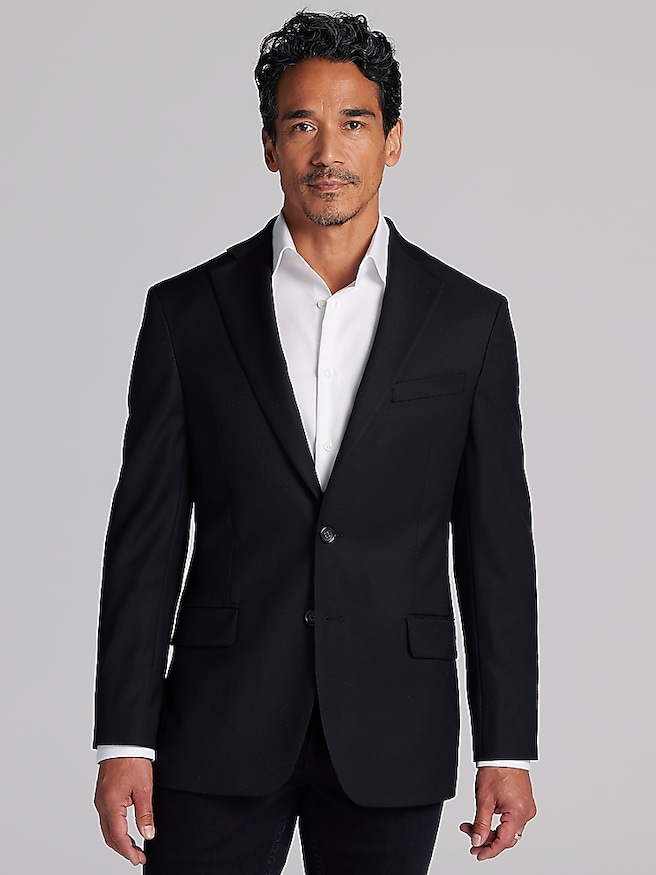
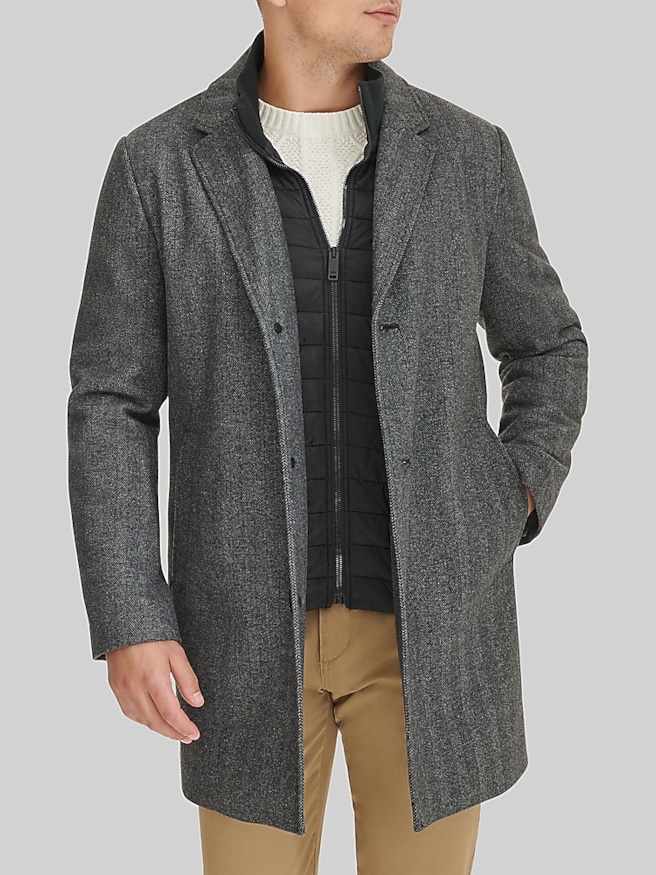
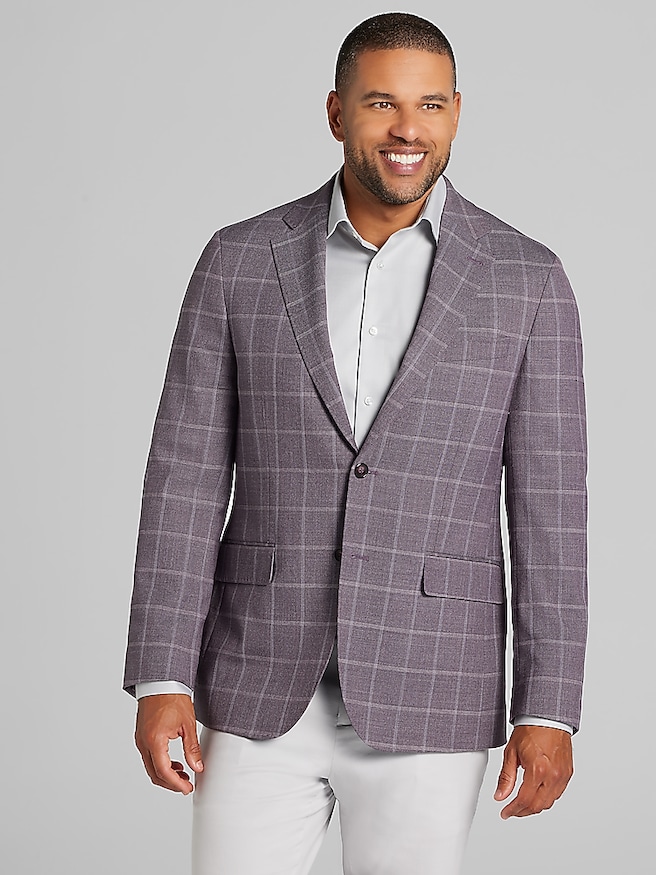
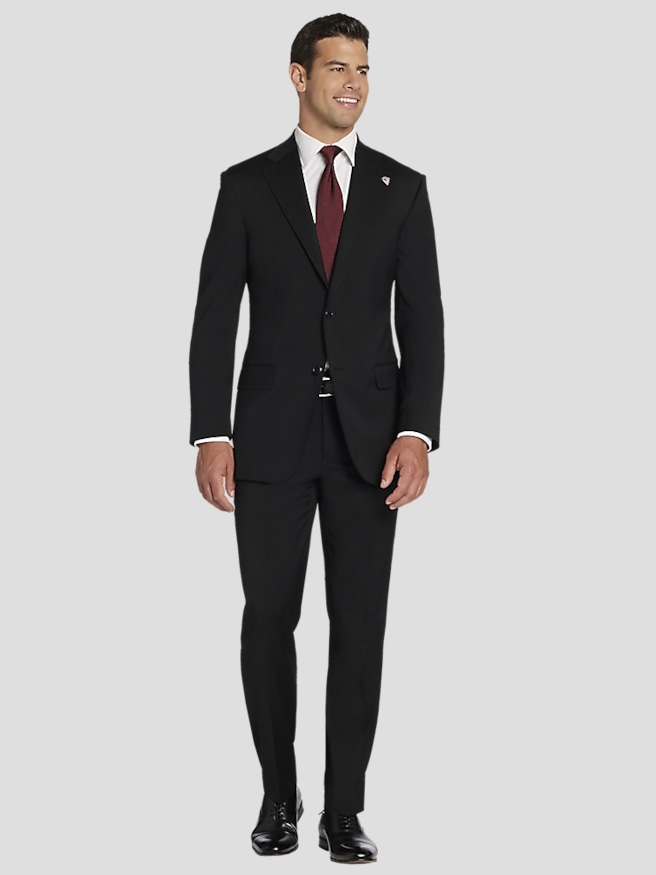
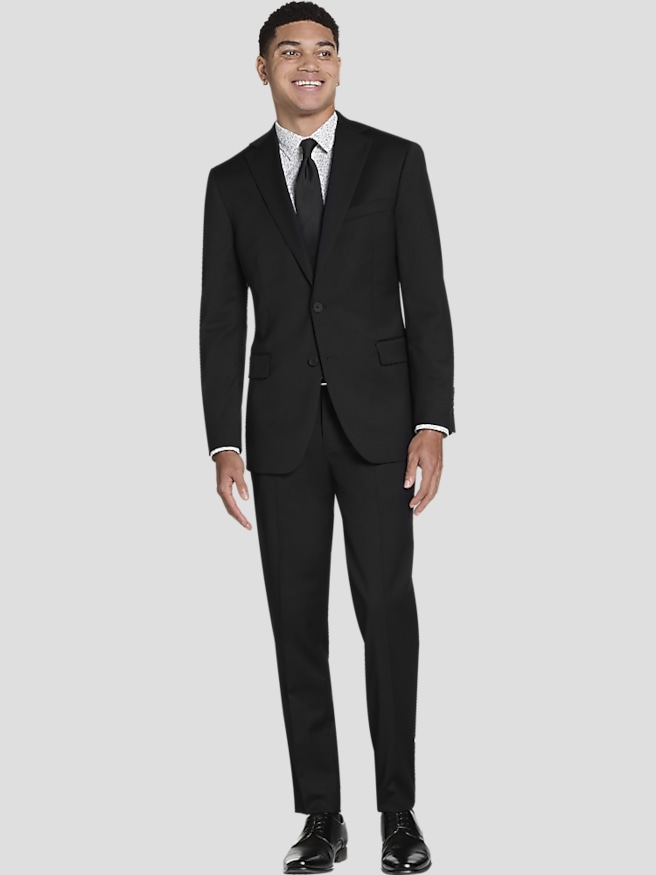
Sport coats for tall men bring proportion to an outfit, with the body length and sleeve coverage that a taller frame may need without unnecessary width through the chest or waist. A well-fitting sport coat gives a dress shirt and trousers a finished appearance while remaining easy to wear with chinos or dark denim. Unlike a suit jacket intended to match its trousers, a sport coat is designed to stand on its own, often using texture, pattern, or a distinctive weave to complement separate pieces. For tall men, the key distinction is not simply a larger size: height and build are separate considerations. A tall, lean frame may need a narrow silhouette with extra length, while a broader frame may require both added room and longer proportions. Long and extra-long size designations generally indicate added length relative to a regular jacket in the same chest size, though measurements and grading vary by maker. Letter-based tall sizing follows its own size chart and should not be assumed to correspond exactly to a numbered jacket size. Chest circumference, sleeve length, shoulder width, and torso length provide a more useful starting point than height alone. The shoulder seam should sit near the natural edge of the shoulder, and the collar should rest against the shirt collar rather than pull away or bunch beneath it. With the arms relaxed, the sleeves should typically allow a small amount of shirt cuff to show. The jacket body should generally cover the seat, with the exact length balanced against torso and leg proportions. Simply sizing up to gain sleeve length can leave excess fabric around the middle and shoulders. Tall proportions help avoid that trade-off, creating a cleaner line whether the coat is worn for a client presentation, a dinner reservation, or a family celebration. The result should feel composed rather than oversized, with enough room to move naturally.
Fabric and construction shape how a tall sport coat hangs, feels, and holds up to repeated wear. Wool is valued for its drape, resilience, and ability to recover from light creasing; a textured wool weave can also give a solid color more depth without making an outfit feel busy. Cotton tends to create a more relaxed appearance, while linen has a distinctive surface and natural creasing that suit less structured outfits. Blended fabrics combine qualities from multiple fibers, and a modest amount of stretch can make reaching, sitting, and moving more comfortable. Stretch, however, does not replace adequate room through the back, upper arms, or chest. Fabric weight, weave, and lining also influence how a coat moves, so fiber content alone does not tell the whole story. A softly constructed shoulder follows the body with less added structure, while a more defined shoulder creates a sharper outline. Partial lining can give a jacket a lighter feel, whereas fuller lining helps it slide over a shirt and provides a smooth interior finish. Neither approach is automatically better for a tall build; the right choice depends on the desired shape and intended use. Navy, charcoal, brown, and muted blue tones provide straightforward foundations for separate trousers, while checks and herringbone add visual interest. Pattern scale deserves attention, but tall men do not need to follow rigid rules about which patterns they can wear. A subtle check can be just as effective as a larger windowpane when the shoulders, lapels, and jacket length are in balance. For broader styling context, the best sport coats for men offers a useful point of reference beyond tall sizing. Durability depends on more than fabric thickness: sound seams, secure buttons, a stable weave, and enough ease to prevent constant strain all matter. A coat that pulls tightly across the button or stretches at the elbows with every movement can place needless stress on both fabric and stitching.
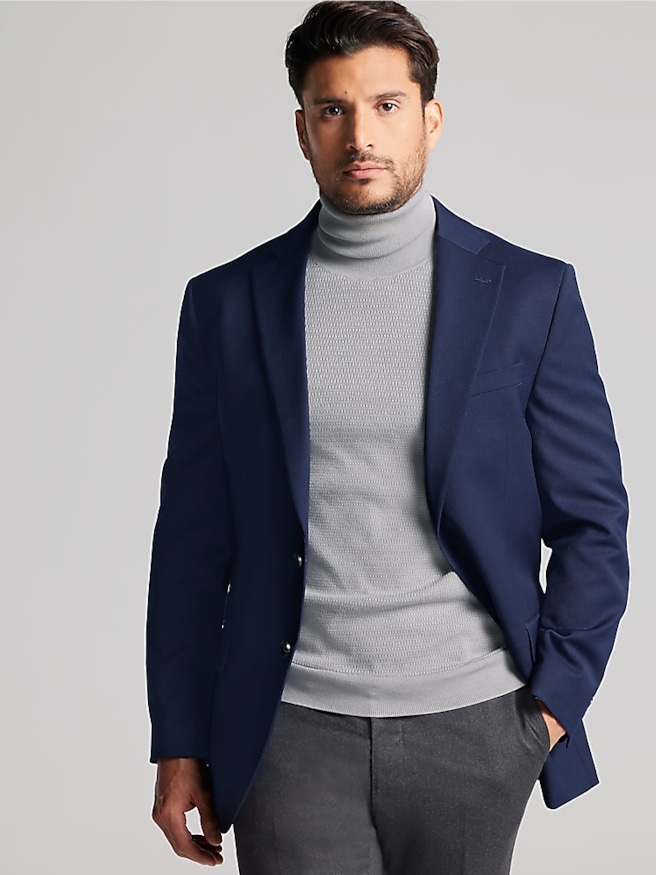
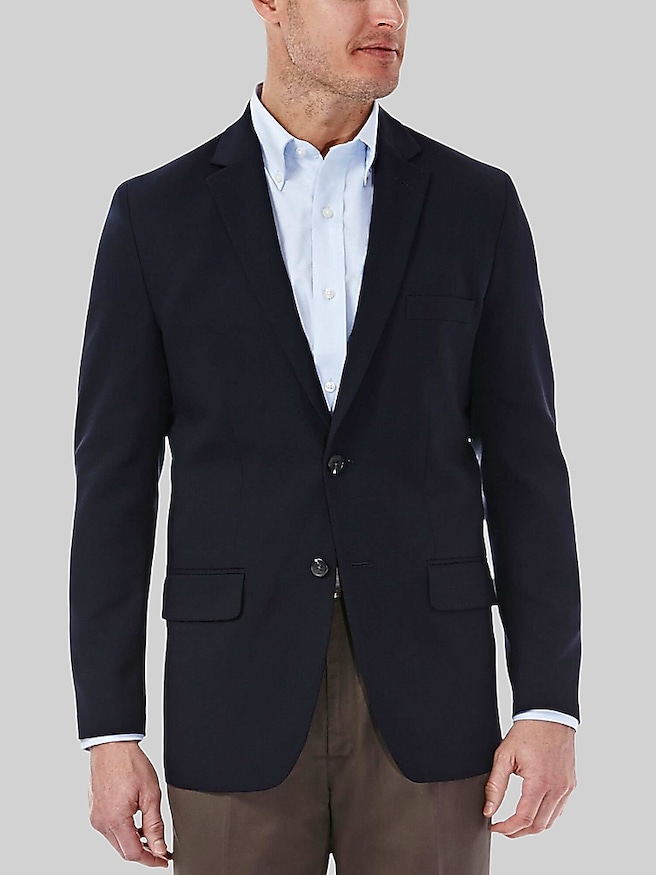
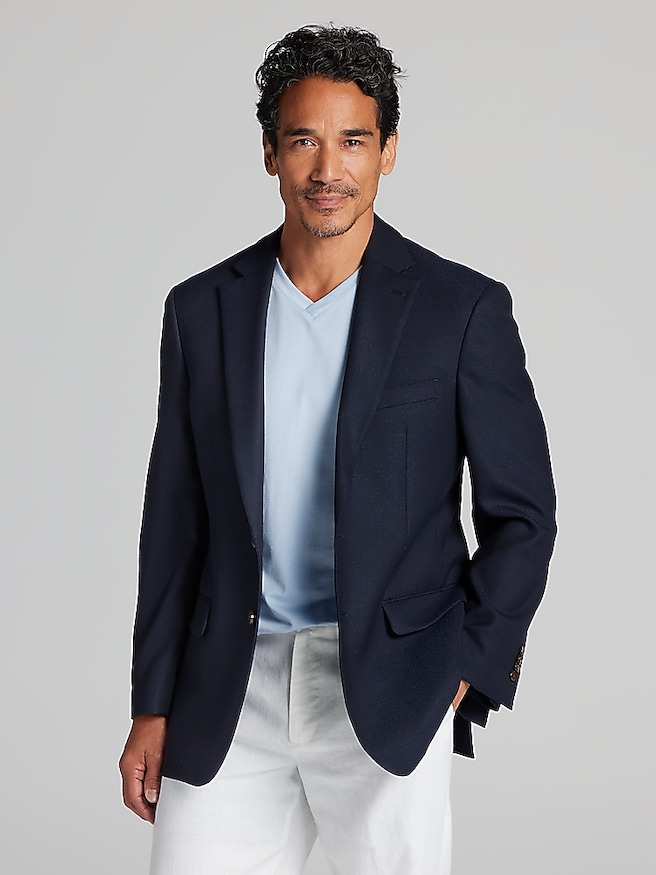
The versatility of a tall sport coat becomes clear in everyday combinations. A navy textured jacket over a pale blue shirt and gray trousers looks appropriate for many offices and business dinners without requiring a matching suit. A brown checked coat with a plain knit shirt and neatly fitted chinos feels more relaxed for a restaurant gathering or an evening performance. Dark, clean-finished denim can work with a softer jacket when the setting permits, while dress trousers and a tie bring the same general category closer to occasion dressing. A sport coat is not a substitute for a tuxedo when an invitation specifies black tie, and wedding attire should always follow the stated dress code. Across these settings, fit should remain comfortable in motion as well as in front of a mirror. Sitting at a desk, reaching for a steering wheel, or greeting someone with a handshake should not make the upper back bind. Vents should fall neatly when standing, and the front should close without pronounced pulling around the fastening button. Sleeve and waist adjustments may refine a close fit, but shoulder construction and overall body length are harder to change successfully. Sleeve lengthening also depends on the fabric allowance inside the cuff and the placement of buttonholes. Starting with suitable tall proportions is therefore more practical than expecting alterations to transform a short jacket. Care helps preserve that fit and finish: follow the garment label, use a broad hanger that supports the shoulders, and leave enough closet space to prevent crushing. Empty pockets after wear so keys and a phone do not weigh down the front, and brush away surface dust with a garment brush suited to the fabric. Avoid repeated cleaning beyond what the label and the garment’s condition require; professional attention is appropriate for stains or fabrics that call for it. For a birthday or graduation gift, confirmed measurements and the recipient’s usual dress habits are more useful than height alone. A thoughtfully chosen tall sport coat should fit both the person and the occasions that bring it out of the closet.