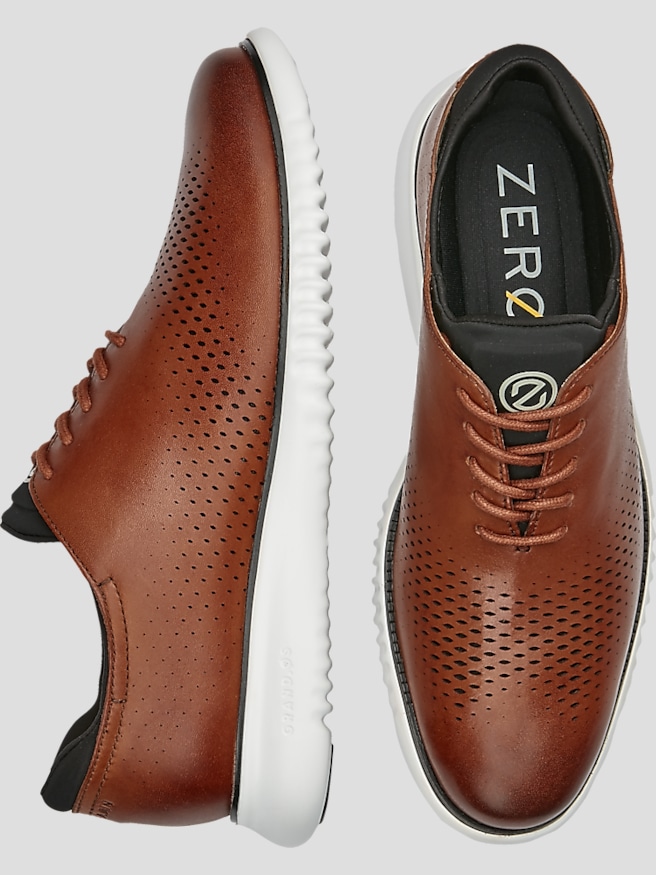
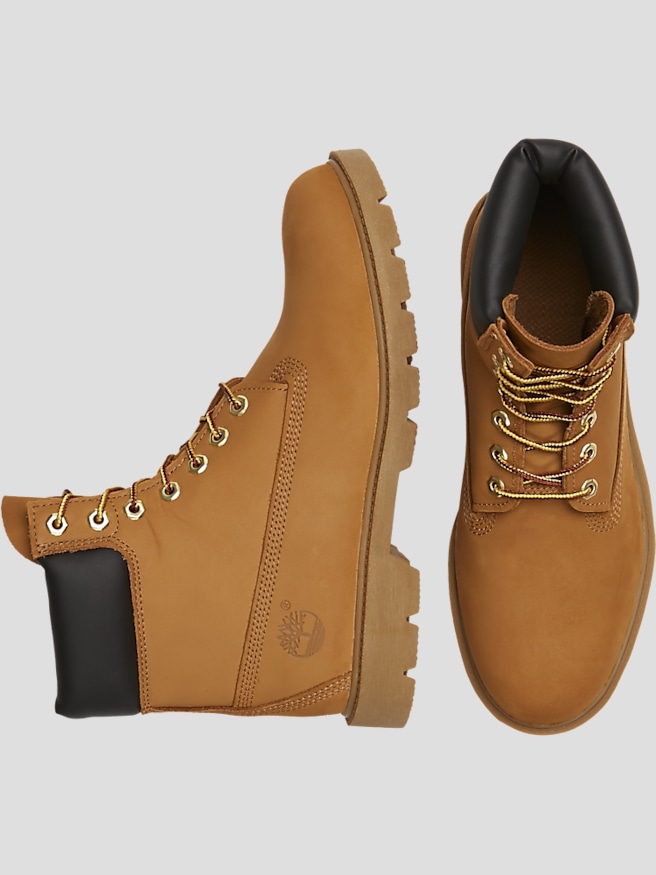
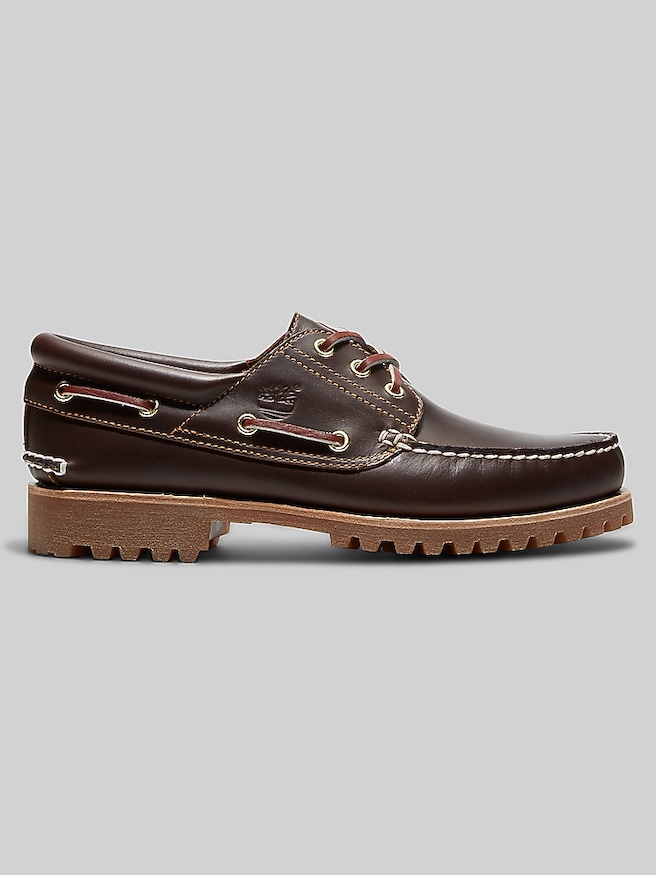
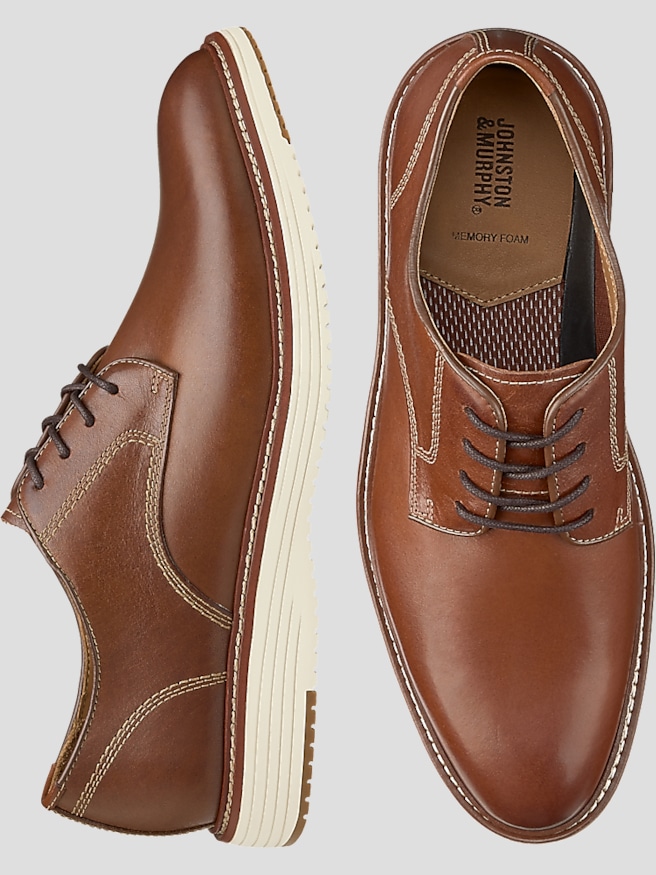
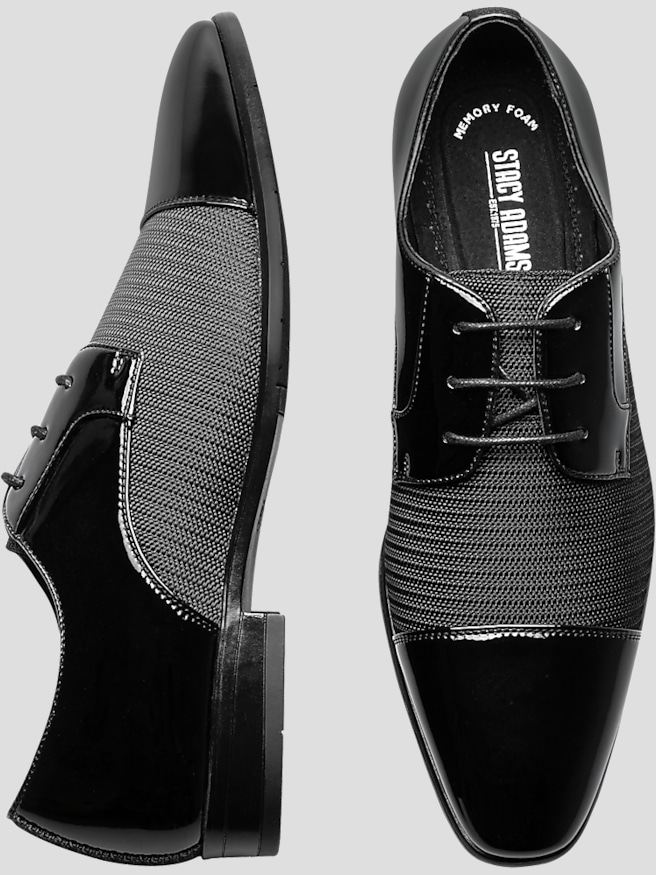
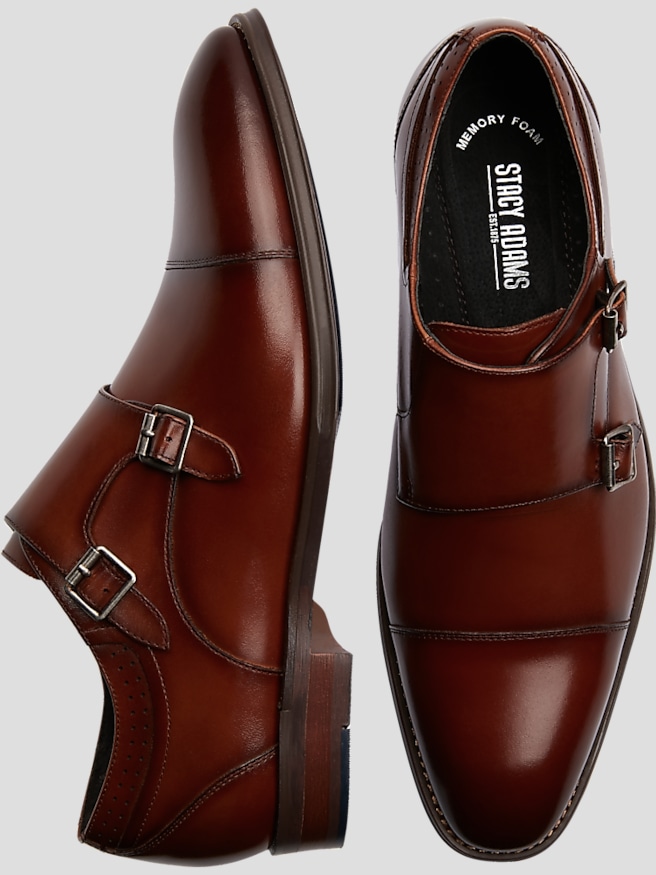
Sophisticated shoes bring an outfit into focus through balanced proportions, considered materials, and a silhouette that complements tailored clothing rather than competing with it. For men’s dress footwear, that often means smooth leather oxfords, understated derbies, refined loafers, or streamlined dress boots. Each has a distinct role: an oxford’s closed lacing creates a neat profile beneath suit trousers, while a derby’s open lacing offers a slightly more relaxed appearance and greater adjustability across the instep. Loafers bridge the space between business dressing and off-duty polish, working with everything from pressed chinos to softly tailored trousers. A cap toe adds quiet definition, while wingtip detailing and decorative perforations give a shoe more visual texture; simpler uppers generally read as more formal. Black leather is a natural companion to charcoal suits and evening attire, while dark brown brings depth to navy, medium gray, and earth tones. Burgundy can provide a restrained accent without overwhelming an outfit. For black-tie occasions, sleek black formal footwear with a finish appropriate to the event keeps the overall effect cohesive. The toe shape matters, too: an almond or gently rounded profile tends to sit comfortably alongside classic tailoring, without the exaggerated length or width that can distract from the rest of the look. Sophistication does not require a mirror finish or elaborate decoration. A clean edge, an even finish, and a well-proportioned sole can make a stronger impression than conspicuous hardware. Picture a navy suit at an afternoon wedding, with dark brown leather shoes visible beneath a trouser hem that just meets the upper, or a fine-gauge sweater and wool trousers grounded by suede loafers at dinner. The footwear belongs to the outfit, yet gives it a deliberate finishing touch. For a broader view of footwear with the same attention to appearance, Stylish Shoes offers a related perspective on polished dressing. The most useful distinction is intended use: shoes for a formal ceremony, a full office day, and a relaxed evening may share clean lines while calling for distinct finishes, sole profiles, and levels of structure.
Materials and construction influence how sophisticated shoes look on the first outing and how they feel after hours of wear. Full-grain leather retains the natural grain surface and can develop a rich patina with proper care, though its feel and performance also depend on tanning, thickness, and finishing. Smooth leather offers a crisp appearance that suits business and formal clothing; suede has a softer, light-absorbing texture that pairs especially well with flannel trousers, knitwear, and less structured jackets during the cooler months. Neither material tells the whole story on its own. Supple linings, neatly finished seams, and a stable heel contribute to comfort, while the shape of the shoe must match the foot. A good fit holds the heel securely without pinching, leaves room for the toes to rest naturally, and supports the widest part of the foot without pressure along the sides. The flex point should align reasonably with the ball of the foot rather than forcing the shoe to bend across the toes. Trying footwear with the socks intended for regular wear helps reveal whether the fit will work in practice, particularly when moving between thin dress socks and more substantial cool-weather pairs. Feet can swell over the course of a day, so a fit assessment later in the afternoon may better reflect the demands of commuting or standing through a reception. Leather may soften with wear, but painful tightness or insufficient length is not something to accept as a normal break-in stage. Underfoot, leather soles provide a traditional profile, while rubber soles can add flexibility and traction, depending on their compound and tread. A discreet rubber outsole can be especially practical for walking between an office, a parking garage, and a restaurant. Cushioning may ease the feel of hard floors, but softness alone cannot compensate for poor fit. Welted construction may allow resoling when the shoe’s condition and design permit, while other methods can produce lighter or more flexible footwear. The right balance comes from matching construction to the hours, surfaces, and occasions the shoes will encounter.
Lasting polish depends as much on everyday care as on the original design. Dust and grit can dull an upper and work into creases, so a quick wipe with a soft cloth after wear is a useful habit for smooth leather shoes. Conditioner appropriate to the leather can help maintain suppleness, while a compatible cream polish refreshes color and a small amount of wax can add shine where desired. Product directions matter, and any treatment should first be tested on an inconspicuous area, since finishes respond in their own ways. Suede needs a separate approach: a suitable brush helps lift the nap and remove surface dirt, while a protector formulated for suede may reduce staining without making the material waterproof. When shoes become damp, let them dry naturally away from radiators and other direct heat. Cedar shoe trees can help preserve shape and absorb some interior moisture between wears; alternating pairs also gives linings time to air out. During the cooler months, wiping away moisture and road residue promptly can help prevent marks from settling into the leather. Sole edges, heel tips, and stitching deserve occasional attention, especially for anyone whose day includes long corridors, sidewalks, or frequent travel. Repairing a worn heel before the damage spreads can help preserve the shoe’s balance and appearance. These practical details make dress footwear a thoughtful gift for a graduate beginning a professional role, a partner marking a milestone, or someone preparing for an important celebration, provided size, width, and personal preferences are known. A person who spends the day on foot may value a secure fit and a forgiving sole more than a highly polished finish, while someone attending formal events may prefer a quieter silhouette that works with several suits. For business travel, versatile dark leather can simplify packing by complementing both meeting attire and dinner clothing. Sophisticated shoes earn their place through that combination of visual restraint and everyday usefulness: comfortable enough for the occasion, appropriate to the setting, and cared for well enough to look considered each time they are worn.