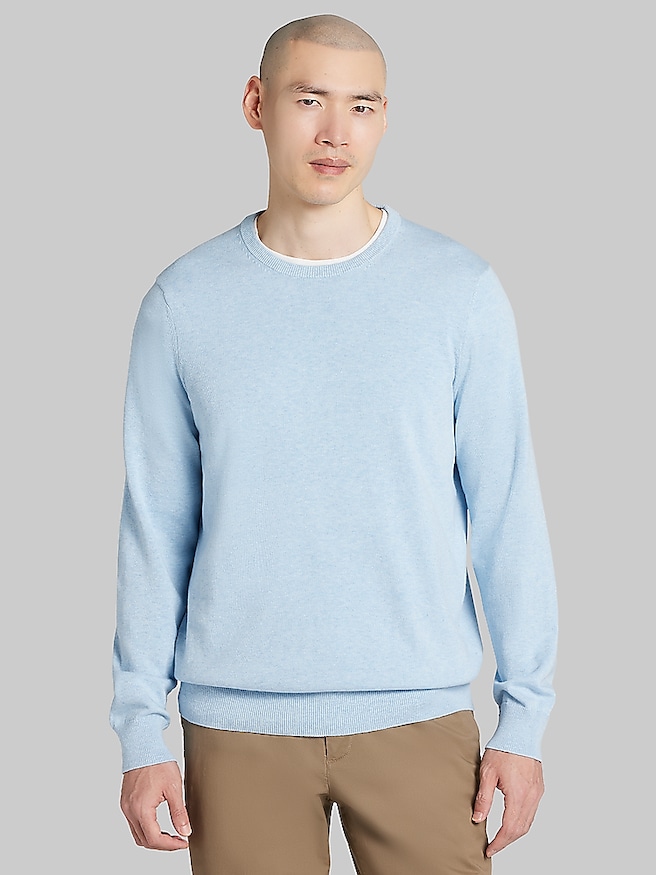
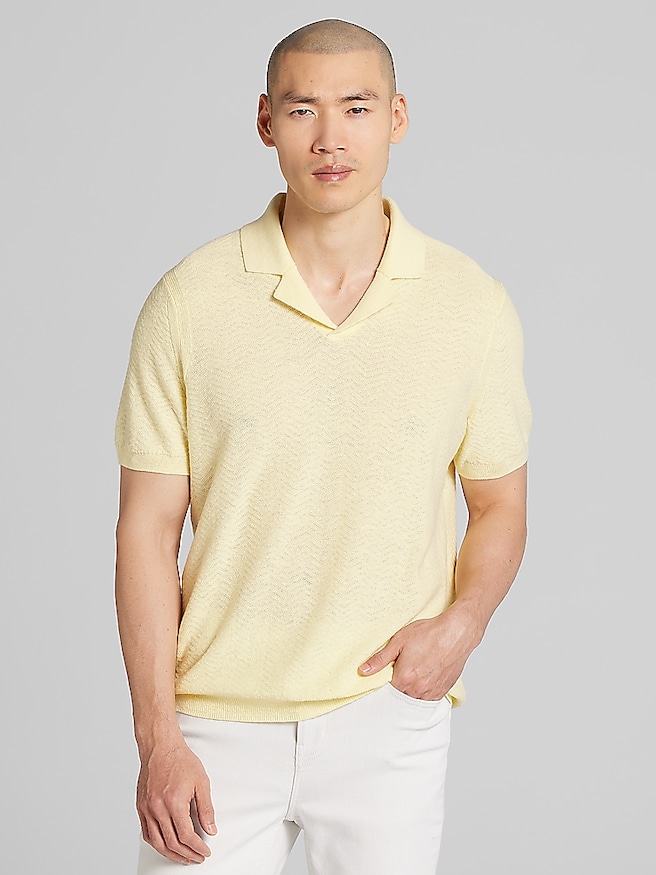
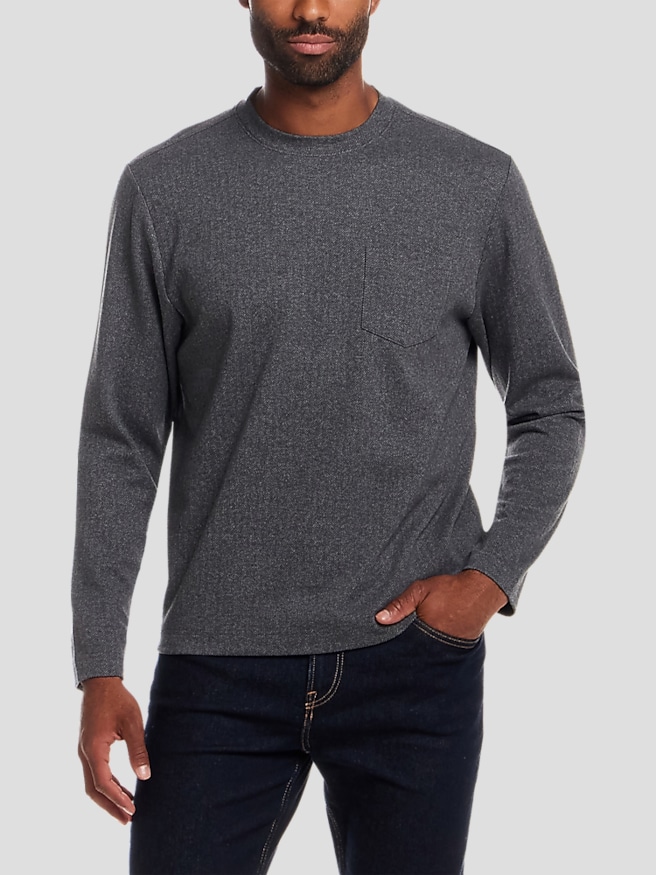
Soft pullovers are over-the-head knit or fleece layers valued for a gentle feel, comfortable warmth, and easy pairing with everyday clothing. Their softness can come from fine fibers, a brushed interior, a smooth knit structure, or a combination of fabric and finishing. For men who want something more substantial than a T-shirt without the structure of a jacket, a soft pullover fills a useful place in the wardrobe. It can make an early commute more comfortable, take the chill out of an office, or add a relaxed layer for dinner at home with friends. Cotton knits often feel breathable and familiar against the skin, with enough substance for regular wear. Wool brings insulating warmth, while fine merino wool can offer a smoother feel and less bulk than coarser wool yarns. Cashmere is prized for its fine fibers and warmth relative to its weight, though it benefits from gentle handling. Blended fabrics combine qualities from multiple fibers; depending on their composition and construction, they may help balance softness, shape retention, drying time, and ease of care. Fleece has a distinct appeal for casual settings, especially when a brushed inner surface creates a cozy feel against a lightweight base layer. Fabric weight matters as much as the fiber name. A fine-gauge knit can sit neatly beneath a sport coat, while a thicker, loftier pullover adds texture and warmth over a simple shirt. Softness alone does not tell the whole story: a comfortable fabric should also suit the setting, the amount of movement involved, and the layers worn with it. During the cooler months, that balance becomes especially useful when the day moves between brisk sidewalks, heated rooms, and a drive home after dark. A pullover that feels comfortable through those changes is more likely to become part of a regular rotation rather than something saved for a narrow range of weather.
The fit of a soft pullover shapes both its comfort and its appearance. A close, clean silhouette works well beneath tailored outerwear, but it should still leave room to reach forward, bend an elbow, and sit without pulling across the back. For a conventional set-in sleeve, a shoulder seam near the edge of the shoulder generally creates a tidy outline; a dropped shoulder gives a deliberately relaxed effect. Neither shape is inherently better, and the right choice depends on how the layer will be worn. A little extra room through the body can feel easy over a casual button-down, while excessive fabric may bunch beneath a jacket or gather above the waistband. A hem that rests around the hip often works well with both jeans and chinos, giving coverage without overwhelming the proportions of the outfit. Ribbed cuffs and hems can help define the shape, though they should not feel restrictive or pull the fabric into a tight band. Necklines offer another way to adjust the look. A crewneck provides a simple frame for a T-shirt or a shirt collar, while a V-neck leaves more room to show the layer underneath. A quarter-zip allows the neckline to open for ventilation or close for added coverage, making it useful when moving between indoor and outdoor settings. Texture and color influence how polished the result feels, too. Smooth knits in navy, charcoal, or muted earth tones pair naturally with tailored trousers, while heathered surfaces and more pronounced stitches bring depth to casual outfits. For occasions that call for a sharper finish, Dressy Pullovers offer a related direction for outfits built around collared shirts and refined layers. A soft pullover can also make a thoughtful gift for a father, brother, partner, or friend, especially when its neckline, fit, and care needs reflect clothing the recipient already enjoys wearing. Familiar colors and an easy-to-layer weight often make the gift easier to incorporate into an established wardrobe.
Lasting comfort depends on construction and care as well as the first impression of softness. Even stitching, secure seams, and ribbing that recovers after gentle stretching are useful signs of a thoughtfully made pullover. A knit should have enough flexibility for movement without looking strained across the chest or elbows. Fine fabrics can be durable with appropriate care, but a plush surface is not a promise of resistance to friction. Pilling can develop where fibers rub together, particularly beneath the arms, along the sides, or under a shoulder strap. It does not automatically mean a garment is poorly made, and careful maintenance can help keep the surface looking neat. The care label remains the best starting point because washing and drying requirements vary by fiber, knit structure, and finishing. Some cotton and synthetic blends tolerate machine washing, while wool and cashmere may call for a delicate cycle, hand washing, or professional cleaning. When washing is permitted, cool water, a suitable detergent, and gentle handling can help protect the fabric. High heat and vigorous agitation can cause shrinkage or distortion in susceptible materials, and wringing a wet knit may stretch it out of shape. Drying flat, when directed, supports the garment while it returns to its usual dimensions. Folding heavier knits rather than hanging them can also help prevent stretched shoulders and an elongated body. Between wears, allowing a pullover to air out and rest can reduce unnecessary washing when there are no stains or odors. These small habits are particularly worthwhile for layers worn often, whether that means a comfortable knit for desk days or a warmer style pulled on before a weekend walk. Intended use should remain part of the choice: a substantial texture may feel inviting outdoors but too warm in a heavily heated room, while a lighter knit leaves more flexibility beneath a coat. The most useful soft pullovers bring together a pleasing hand feel, a workable fit, and upkeep that fits everyday life, making comfort something that lasts beyond the first wear.