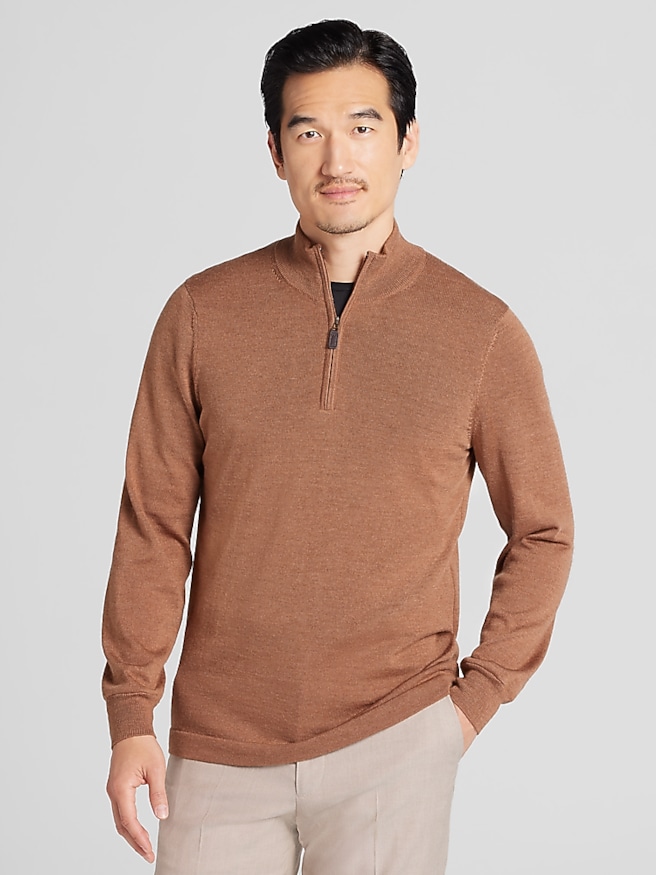
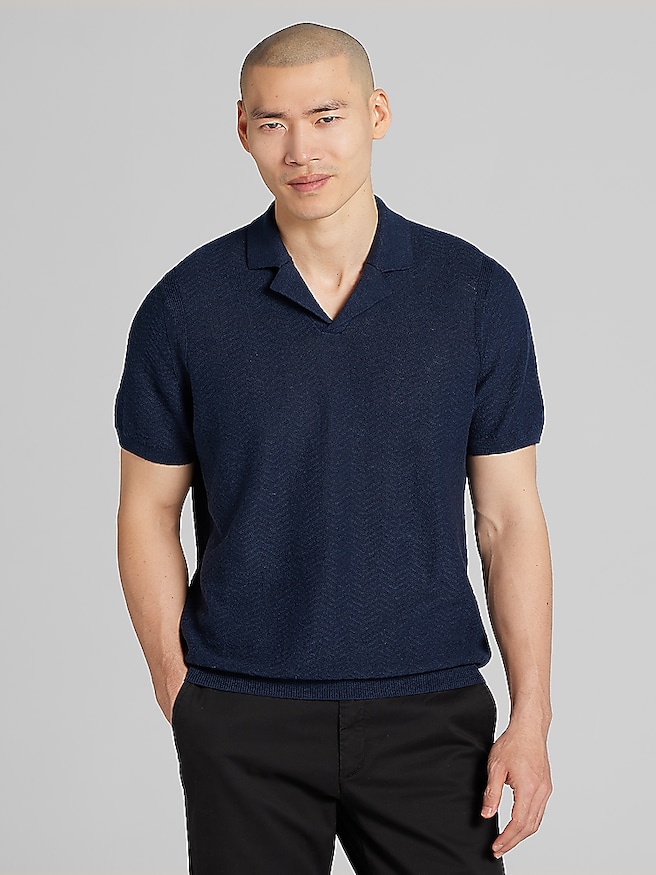
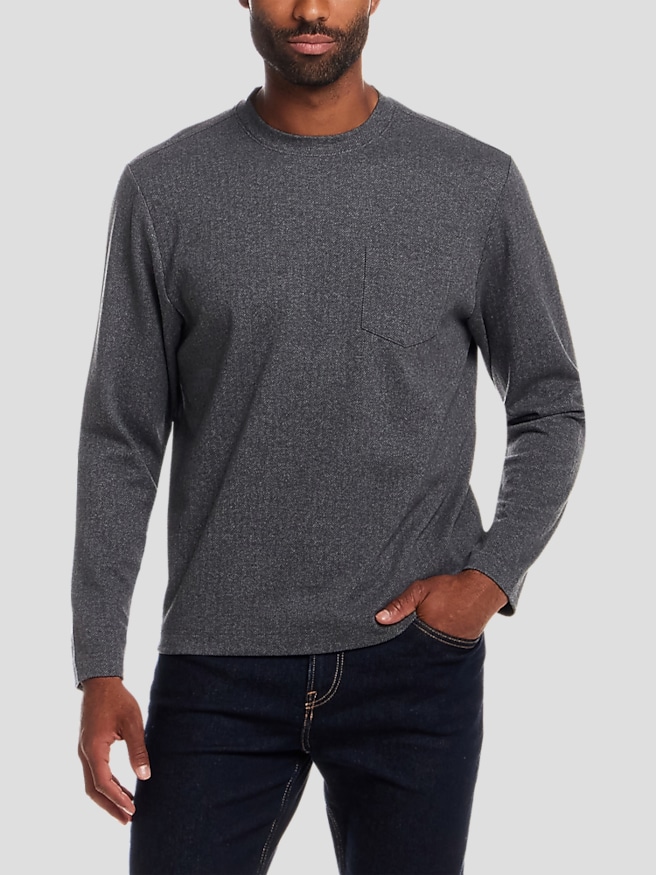
Luxury pullovers bring together a refined feel, balanced proportions, and careful finishing in knitwear that slips on without a full front opening. Their appeal is often understated: a neckline that lies flat, cuffs that recover their shape, and fabric that drapes cleanly rather than clinging or sagging. For men who prefer a polished look without the structure of a jacket, a well-made pullover can bridge the space between a casual shirt and tailored clothing. Cashmere, fine merino wool, cotton, and silk blends each offer a distinct experience, and fiber content is only one part of what makes a garment feel luxurious. Cashmere is prized for its softness and lightness; fine merino wool offers a smooth feel with natural elasticity; cotton brings a familiar, breathable hand and can have a crisp or relaxed appearance depending on its construction. Silk blended with wool or cotton can lend subtle luster and fluidity without an overtly shiny finish. Yarn quality, knit density, and finishing matter alongside the material listed on the label. A loosely knitted fabric may feel exceptionally airy but require more gentle handling, while a compact knit can provide a more defined silhouette. Fine-gauge pullovers have small, closely spaced stitches that work neatly beneath tailoring, while textured stitches add depth and a more substantial visual presence. Neither thickness nor softness alone establishes quality. Even stitching, smooth seam joins, and ribbing that sits comfortably at the neck, wrists, and hem are useful signs of thoughtful construction. Color contributes to the effect, too: navy, charcoal, cream, and muted earth tones allow the texture and shape to take center stage. The result is clothing that feels considered without demanding attention, whether worn for an office presentation, a dinner reservation, or an afternoon spent visiting friends.
The shape of a luxury pullover influences how comfortably it fits into an existing wardrobe. A crewneck creates a clean frame around the face and pairs naturally with a simple undershirt or a collared shirt, provided the neckline has enough room for either layer. A V-neck leaves space for a shirt collar and can accommodate a tie without bunching at the throat. A quarter-zip offers an adjustable neckline and a slightly more relaxed character, while a mock neck or turtleneck creates an uninterrupted line beneath a sport coat. With each silhouette, the fit should support easy movement without excess fabric gathering around the waist or under the arms. On a conventional set-in sleeve, a shoulder seam close to the shoulder’s edge usually produces a tailored appearance; a deliberately dropped shoulder belongs to a more relaxed cut and should not be judged by the same standard. Sleeves should reach the wrist without swallowing the hand, and the hem should sit comfortably around the hips rather than needing constant adjustment. For someone who spends much of the day seated at a desk, enough room through the torso helps the knit fall naturally when standing again. For someone wearing a pullover beneath a jacket, a finer fabric and smooth sleeves reduce bulk at the elbows and armholes. A navy crewneck with gray trousers and leather loafers reads as composed but approachable, while a textured pullover with dark denim creates a more casual combination that still looks intentional. Contrast can be subtle: a smooth trouser fabric lets a ribbed or cable-knit surface stand out without competing patterns. Shoppers drawn primarily to a gentle feel against the skin may also appreciate Soft Pullovers, with fiber composition and surface texture helping clarify personal preferences. The most useful choice is often the one that feels comfortable through a full day and works with clothing already worn regularly, not simply the one with the most elaborate stitch.
Lasting enjoyment of luxury pullovers depends on matching their construction to daily habits and giving the fabric appropriate care. Fine yarns can create an elegant surface, but repeated rubbing from a shoulder bag, rough desk edge, or abrasive outer layer can cause wear. Pilling may occur even on high-quality natural fibers as loose fiber ends work their way to the surface; it is not, by itself, proof of poor construction. A tightly controlled knit, good yarn quality, and considerate handling can help preserve the appearance, although no delicate fabric is immune to friction. Care instructions deserve attention because two pullovers with similar fiber labels may require different treatment due to their knit structure, dye, or trim. When washing is permitted, the specified water setting, a suitable detergent, and minimal agitation help protect the fabric. A wet knit should be supported rather than lifted by the shoulders, and it should never be wrung aggressively. Reshaping and drying flat, when directed by the care label, helps maintain the intended dimensions. Folded storage generally puts less strain on knitwear than hanging, which can stretch the shoulders and lengthen the body. Any pill removal should be gentle and appropriate for the material; pulling pills away by hand can tug at surrounding fibers. These practical details matter for a pullover worn repeatedly to the office just as much as one reserved for special dinners. They also matter when choosing knitwear as a gift for a partner, father, brother, or close friend. A familiar neckline, a color that complements the recipient’s wardrobe, and a care routine that suits their habits are more meaningful than an unfamiliar design chosen for novelty alone. Someone who values uncomplicated dressing may appreciate a smooth crewneck, while someone who enjoys tailoring may gravitate toward a fine-gauge V-neck or mock neck. Thoughtfully chosen luxury knitwear combines tactile pleasure with everyday usefulness: fabric that feels good, a shape that sits naturally, and finishing that rewards a closer look.