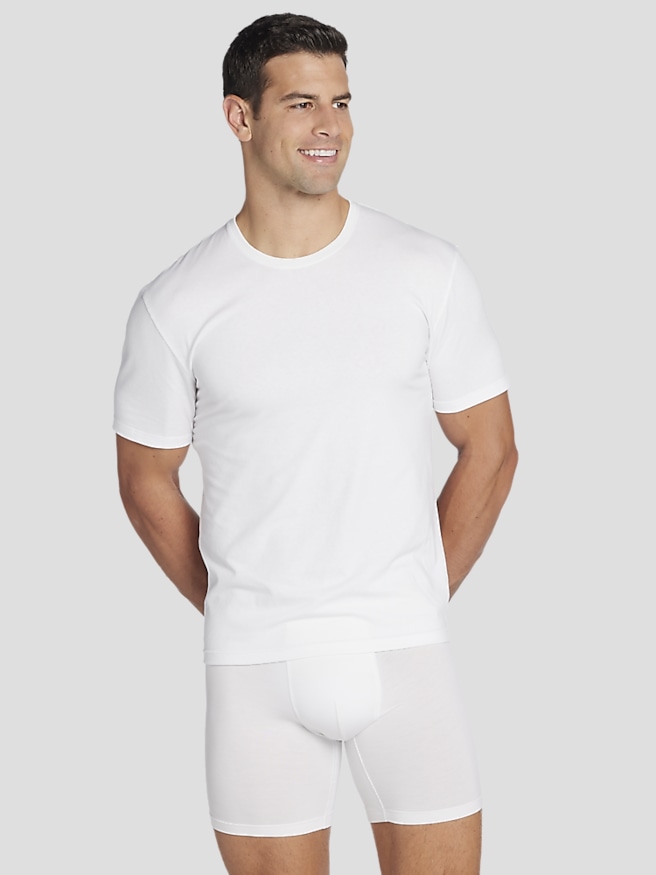
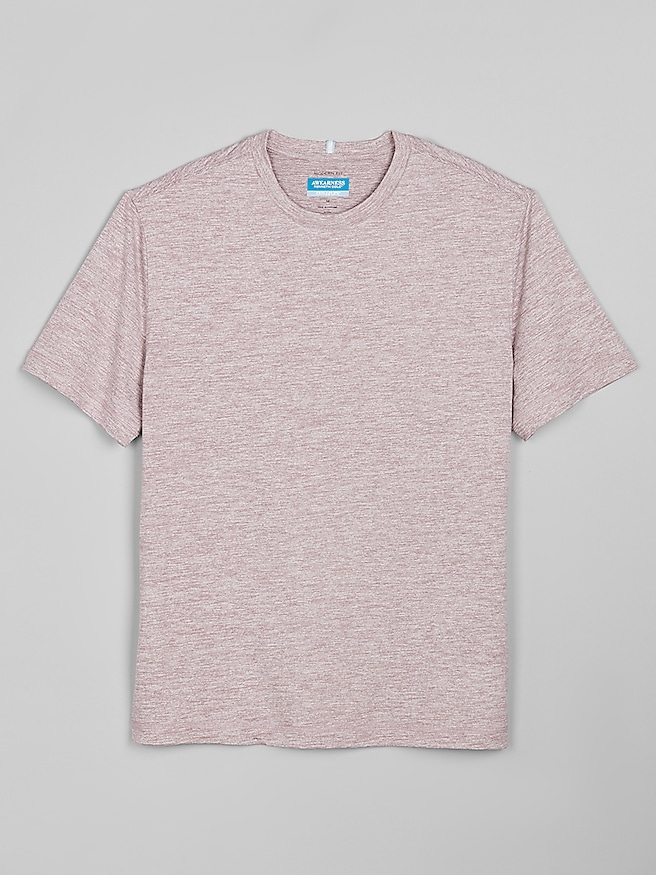
Soft cotton T-shirts bring together a smooth feel, breathable fabric, and the easy versatility of an everyday essential. Their comfort comes from more than fiber content alone: the quality of the cotton, the way the yarn is spun, the knit construction, and the finishing process all influence how a shirt feels against the skin. Combed cotton has been processed to remove shorter fibers and impurities, helping create a cleaner, smoother yarn. Ring-spun cotton is made by continuously twisting and thinning cotton strands, which can produce a finer yarn with a softer hand. Longer cotton fibers can also contribute to smoothness and strength because fewer fiber ends protrude from the yarn. These details help explain why two cotton T-shirts with similar fabric weights may feel noticeably different. A lightweight jersey often drapes close to the body and works well as a discreet base layer, while a more substantial knit can offer greater coverage and a more defined shape when worn on its own. Neither weight automatically means better quality; the right choice depends on the feel and structure that suit the wearer. Pure cotton is naturally absorbent and generally breathable, although fabric density and garment fit affect how air moves through the shirt. Cotton blends offer another option: a small amount of stretch fiber can support movement, while other blended fibers may influence drape, drying time, or shape retention. The fiber-content label provides a clearer picture than softness alone. Surface treatments can make fabric feel especially smooth at first touch, but lasting comfort also depends on yarn quality and construction. For everyday wear, a useful balance is a shirt that feels gentle against the skin without seeming overly thin, holds its shape without feeling rigid, and has seams that sit comfortably rather than rubbing. Opacity matters, too, especially with lighter colors. A fabric that provides comfortable coverage makes the transition from an underlayer to a standalone top much easier.
The best fit for a soft cotton T-shirt follows the body without pulling across the chest, gripping the upper arms, or gathering into excess folds at the waist. On a conventional set-in sleeve, the shoulder seam generally sits near the edge of the shoulder; a deliberately dropped shoulder creates a different, more relaxed silhouette. Slim fits tend to work neatly beneath an open button-down or an unstructured jacket, while classic and relaxed fits leave more space through the torso for easy movement. Fit names vary, so garment measurements and size charts are more useful than assuming the same size will feel identical across every cut. A quick reach forward or overhead can reveal whether the shoulders restrict movement or the hem rises farther than expected. For an untucked look, a hem that falls around the middle of the fly often creates balanced proportions, though torso length and personal preference matter. A shirt intended for tucking usually needs enough length to stay in place when sitting, bending, or reaching. Crew necks offer a familiar, understated finish, while V-necks create a more open neckline and may sit out of sight beneath an unbuttoned collar. The neckband should rest comfortably without feeling tight or losing its shape. Sleeves that finish around the middle of the upper arm give a conventional look, while longer or roomier sleeves create a more casual outline. These details become especially noticeable in everyday settings: working at a desk, carrying a weekend bag, meeting friends for lunch, or spending a long afternoon traveling. A smooth cotton tee can pair with jeans and sneakers for an easy outfit or sit beneath a casual blazer with chinos when a more considered appearance is appropriate. For workplaces that permit casual clothing, an opaque fabric and tidy neckline help keep the outfit intentional. Soft cotton T-shirts also make practical birthday or graduation gifts, particularly when the recipient’s preferred fit, neckline, and usual colors are already known. Matching those habits is more useful than choosing softness at the expense of fit.
Care and construction help determine whether that comfortable first impression lasts. Cotton can shrink, and even a shirt labeled preshrunk may experience some additional dimensional change, so the care label should guide washing and drying. Washing with similar colors, turning shirts inside out, and using an appropriate gentle cycle can reduce surface abrasion and help protect the appearance of the fabric. Use detergent as directed and avoid unnecessary bleach or fabric treatments, especially when the label advises against them. High dryer heat can contribute to shrinkage and put stress on fibers and stretch components; a lower setting or air-drying, when permitted, is often a gentler approach. Reshape the shirt after washing, smoothing the neckline and hem without pulling the fabric out of proportion. Folding can help prevent the shoulder marks that some hangers leave in soft knits. For stubborn wrinkles, follow the ironing instructions rather than assuming every cotton blend tolerates the same setting. Durability is also visible in small construction details: even stitching, secure hems, a neckband that recovers after gentle stretching, and seams that lie flat. Reinforcement along the shoulders can help stabilize an area that receives repeated tension during wear. A soft feel does not have to mean a delicate garment, although any knit benefits from avoiding rough surfaces and washing conditions that cause excessive friction. Rotating frequently worn shirts gives each one a break between uses and makes it easier to notice when a neckline or hem needs attention. For a wardrobe centered on easy combinations, casual cotton T-shirts provide a useful foundation alongside denim, chinos, and relaxed layers. White, gray, navy, and black are straightforward starting points, while muted colors can add variety without complicating an outfit. Ultimately, a dependable soft cotton T-shirt is one that suits the wearer’s proportions, feels comfortable through ordinary movement, and responds well to a manageable care routine. Those qualities matter more in daily use than softness at first touch alone.