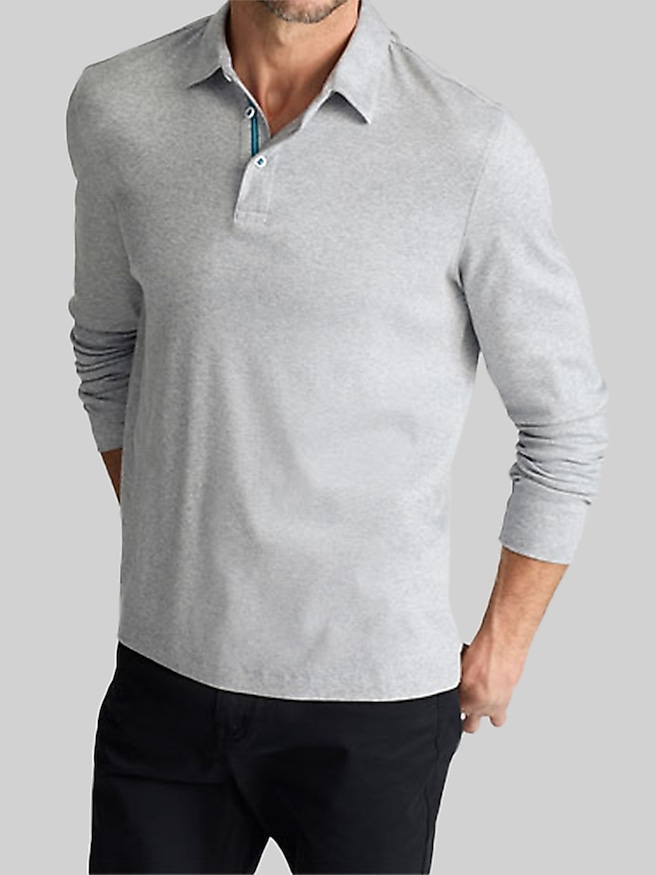
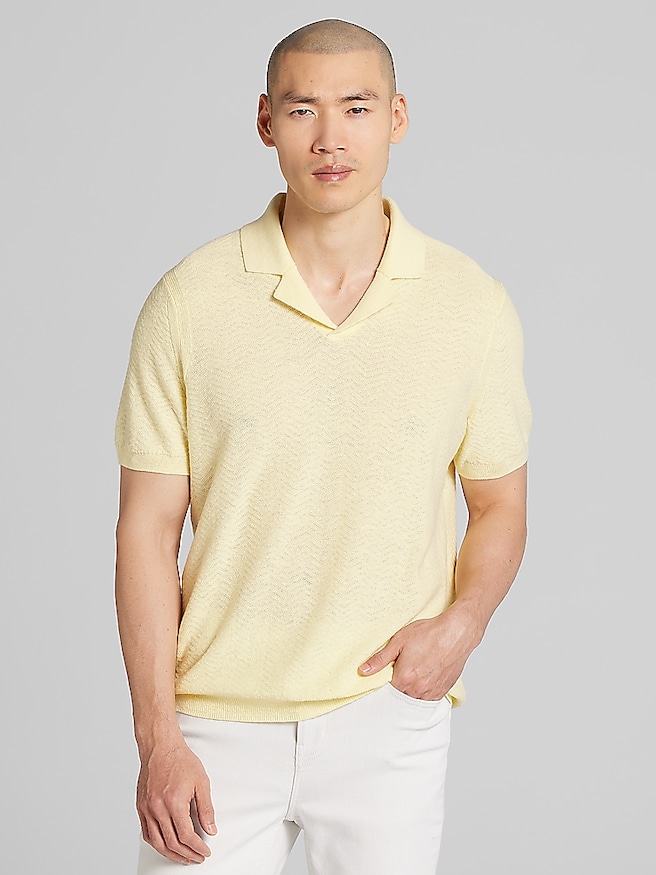
Soft cotton polos combine the familiar comfort of a cotton knit with the more finished appearance of a collar and button placket. That balance makes them useful for office days with a relaxed dress code, dinner with friends, family gatherings, and everyday errands that call for something neater than a T-shirt. Cotton absorbs moisture and allows air to move through the fabric, although the weight and construction of a polo influence how breathable it feels. Softness also comes from more than the fiber label. Yarn quality, knit structure, and finishing all affect the way a shirt feels against the skin and drapes across the body. Combed cotton has been processed to remove shorter fibers, creating a smoother yarn, while ring-spun cotton uses a spinning process that can produce a fine, smooth feel. Long-staple cotton has longer fibers that can contribute to smoother, stronger yarns, though fiber length alone does not determine a finished shirt’s quality. The distinction between common knits is especially helpful when comparing soft cotton polo shirts. Jersey typically has a smooth face and an easy, flexible drape, making it a natural choice for a relaxed look. Interlock is a double-knit construction that generally feels smooth on both sides and has a more substantial body than comparable single-knit jersey. Piqué has a textured surface, often with a small honeycomb or waffle-like pattern, and tends to give a polo a more structured appearance. None of these constructions guarantees softness on its own; a finely made piqué can feel comfortable and supple, while a dense interlock can have noticeable weight. A 100% cotton polo emphasizes the natural feel of the fiber, while a blend can add other characteristics. For a comparison of fabrics that combine cotton with other fibers, Mens Cotton Blend Polo Shirts offers a related category to explore. Depending on the composition, added fibers may contribute stretch, shape retention, or quicker drying. Fabric content and care labels provide a clearer picture than softness alone.
A good fit lets a soft cotton polo look composed without losing the ease that makes it appealing. Shoulder seams should generally sit near the edge of the shoulder rather than dropping far down the upper arm or pulling inward toward the neck. Across the chest, the fabric should lie comfortably without horizontal strain lines, and the placket should stay reasonably flat when the shirt is buttoned. Enough room through the torso to sit, reach, and move matters more than a close silhouette that only looks good while standing still. A slim fit typically follows the body more closely, while a classic or relaxed fit leaves more space through the chest and waist; those descriptions can vary, so measurements are more useful than the fit name alone. For short-sleeve polos, sleeves that finish around the middle of the upper arm often create balanced proportions, with openings that skim rather than squeeze. Long sleeves offer another silhouette, particularly for anyone who prefers more coverage or a visible cuff beneath a jacket. Length deserves equal attention. An untucked polo usually looks balanced when its hem falls below the waistband without extending so far that it overwhelms the trousers. A shirt intended for tucking needs enough length to remain in place when seated or reaching. Side vents can help a hem move more freely, but they do not replace adequate room through the hips. With chinos and leather loafers, a smooth cotton polo can suit a casual workplace or an informal restaurant reservation. With dark denim and clean sneakers, the same general style feels more relaxed without looking unfinished. Beneath an unstructured sport coat, a relatively flat collar and a smooth body reduce bulk and keep the neckline tidy. Solid colors make coordination straightforward, while stripes or subtle patterns add interest alongside simple trousers. The best choice reflects the wearer’s routine: someone moving between a desk and client visits may prefer a more defined shape, while someone spending a day driving and walking may value extra ease.
Care has a direct effect on how long a soft cotton polo keeps its shape, color, and comfortable feel. Cotton can shrink, especially when exposed to heat, so the garment’s own care instructions should take priority over a general laundry routine. When the label permits machine washing, washing with similar colors in cool water and using an appropriate amount of mild detergent can help limit unnecessary wear. Turning a polo inside out may reduce surface abrasion, particularly when laundering darker shades. Heavy loads packed with rough fabrics or exposed hardware can be harder on smooth knits, making a separate load of similar garments a practical choice. Addressing a spill promptly with a treatment suitable for the fabric is preferable to repeated aggressive scrubbing, which can disturb the surface. Drying instructions matter just as much as washing instructions. If tumble drying is permitted, lower heat can help reduce the risk of shrinkage and overdrying. Reshaping the collar, straightening the placket, and smoothing the hem while the shirt is damp can support a neater finish. Cotton is not inherently wrinkle-free, and a smooth hand does not guarantee that a polo will emerge from the dryer ready to wear. A light press or gentle steaming may be appropriate if the label allows it. For storage, folding helps avoid the shoulder bumps that some hangers leave in soft knits. Durability also depends on construction: even stitching, secure buttons, a neatly finished placket, and a collar that lies evenly are useful details to examine. No cotton knit is immune to fading, stretching, or surface wear, but careful laundering and rotating frequently worn shirts can help preserve their appearance. Soft cotton polos also make practical gifts for a parent, partner, graduate, or anyone building an everyday wardrobe. A familiar fit, a color the recipient already wears, and care requirements that match their habits make a more thoughtful choice than fabric softness alone. The lasting appeal is straightforward: comfortable material, a recognizable shape, and enough polish for the ordinary moments when a T-shirt feels too casual.