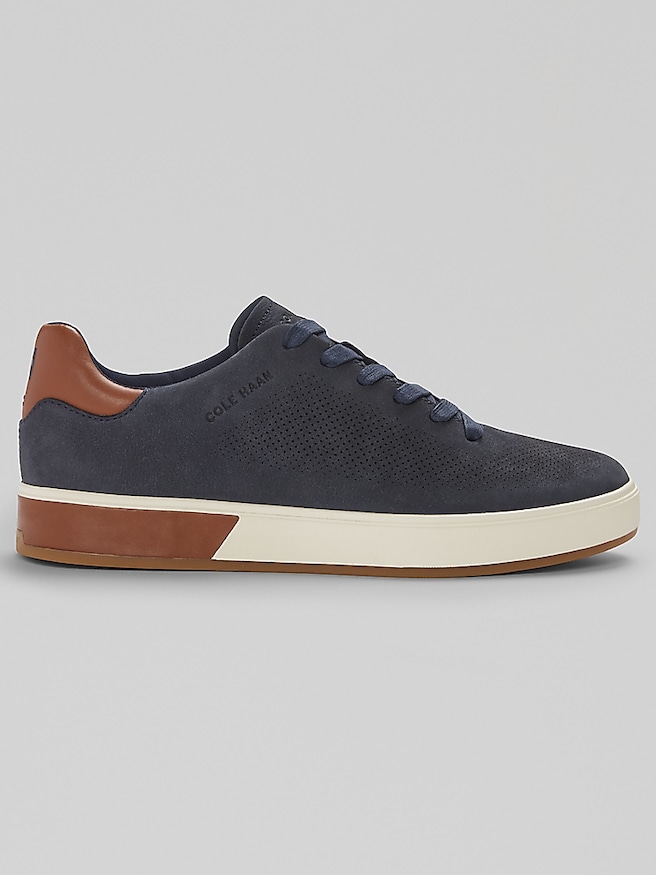
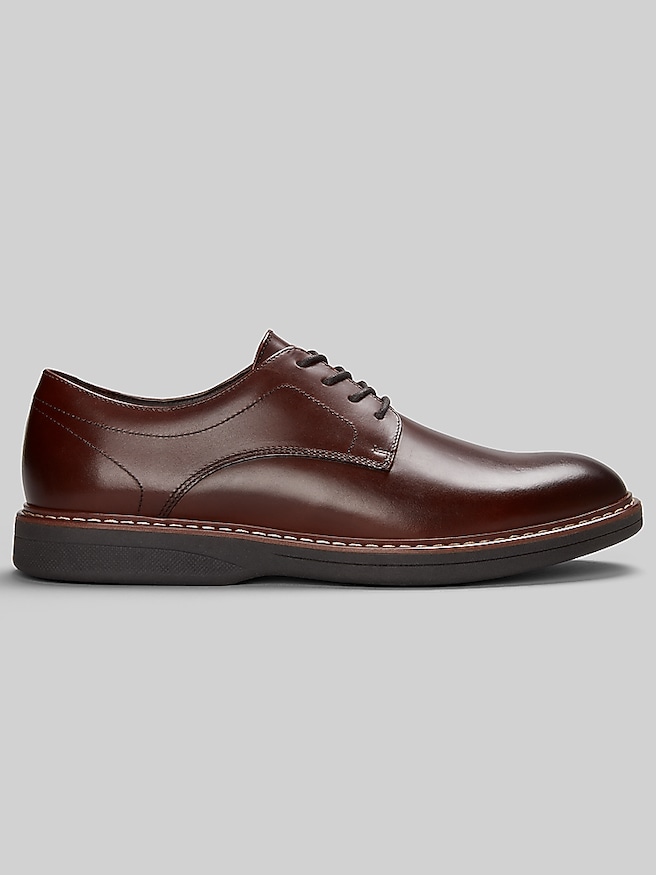
The best sneakers for everyday wear balance a comfortable fit, dependable construction, and a design that works with more than one outfit. They are the shoes that make sense for a commute, a casual office, a lunch stop, and an evening with friends without requiring a change along the way. A streamlined shape and restrained detailing help sneakers move easily between jeans, chinos, and relaxed tailored trousers. Low-profile styles tend to sit neatly beneath a narrower pant opening, while a more substantial sole can balance straight-leg denim or roomier casual pants. White and off-white sneakers create a crisp contrast with dark clothing; black, gray, navy, and brown can feel more understated and coordinate easily with an established wardrobe. Color matters less than the overall relationship between the shoes and the clothes: a simple upper generally looks more polished, while visible overlays, contrasting panels, and textured soles bring a sportier character. Materials contribute just as much to that impression. Smooth leather offers a structured appearance and can often be wiped clean, though its flexibility depends on the leather and construction. Suede has a softer, textured finish that pairs naturally with denim and casual tailoring, but it needs care suited to its nap. Canvas has an easygoing look, while mesh and knit uppers can allow more airflow and accommodate movement with less stiffness. Reinforced areas around the toe and heel may help protect places that experience repeated contact. For a day that includes a desk, a few blocks on foot, and dinner afterward, a clean-lined sneaker with moderate cushioning can be a practical middle ground. A schedule built around extended walking may call for more attention to underfoot comfort, heel security, and outsole design. Everyday versatility is not about making one pair serve every possible purpose; it is about finding a style that suits the activities repeated most often. Even small details, such as a contrasting heel tab or tonal laces, can influence how easily the shoes move from a casual outfit to a slightly dressier one.
Fit is the foundation of comfortable everyday sneakers, and softness alone does not establish a good fit. The toes need space to rest naturally without pressing against the front or being squeezed together at the sides. The heel should feel secure rather than lifting repeatedly with each step, and the midfoot should feel held without pressure from the upper or laces. Trying sneakers with the socks intended for regular wear gives a more useful sense of their fit than relying on the size printed inside. Feet can also change slightly in volume over the course of a day, so a pair that feels snug at the first try-on may feel more restrictive after several hours. Walking a short distance on a clean indoor surface can reveal rubbing at the collar, pressure over the instep, or a flex point that does not match the foot. Cushioning should feel comfortable and stable under the intended wearer; an especially soft sole is not automatically better for everyone. A broad, steady base can feel reassuring when standing, while a flexible forefoot can make an ordinary walking stride feel less restricted. Rubber outsoles provide a durable contact surface, but traction depends on the rubber compound, tread pattern, and surface underfoot. Visible grooves alone do not establish slip resistance, especially where workplace requirements apply. Consistent stitching, securely attached overlays, and an even connection between the upper and sole are useful construction details to examine. A padded collar may reduce friction, provided it does not crowd the ankle, and adjustable laces allow a more precise hold than a fixed opening. Slip-on designs offer convenience, but their fit still needs to keep the foot secure during movement. Everyday sneakers can suit commuters, students, travelers, and anyone whose routine combines sitting with time on foot. They are not necessarily substitutes for shoes built for running, court sports, or jobs requiring protective footwear, even when their styling borrows from athletic designs.
Regular care helps everyday sneakers keep their appearance and makes signs of wear easier to spot. Surface dirt is usually easier to remove before it settles into seams and textured panels, so a gentle brushing or wipe-down can become part of putting the shoes away. Cleaning methods should follow the material and the maker’s care directions rather than treating every sneaker the same way. Smooth leather may benefit from a suitable cleaner and occasional conditioning when recommended; too much product can leave residue or alter the finish. Suede needs a dedicated brush and compatible cleaning products to avoid flattening or discoloring its surface. Fabric and knit uppers require their own care, and machine washing is appropriate only when the care instructions explicitly allow it. Laces can often be cleaned separately, which helps refresh the appearance without soaking the entire shoe. After cleaning, air-drying away from direct heat helps protect materials and adhesives. Allowing shoes to dry fully between wears also gives the lining and footbed time to release moisture. A small rotation can make that easier for someone who wears sneakers most days. Worn tread, a sole that leans noticeably to one side, or cushioning that no longer feels supportive can signal that a pair is no longer suited to the same amount of daily walking. Sneakers also fit naturally into a rotation of Everyday Wear Shoes, with each pair serving a particular part of a routine. As a gift, everyday sneakers are most useful when the recipient’s size, preferred width, and usual style are already known. A college student who walks across campus may value a different fit and construction than someone who mainly wants a polished finish with chinos. Familiar colors and uncomplicated shapes can make a thoughtful gift easier to incorporate into an existing wardrobe, while the right fit remains more important than any particular styling detail.