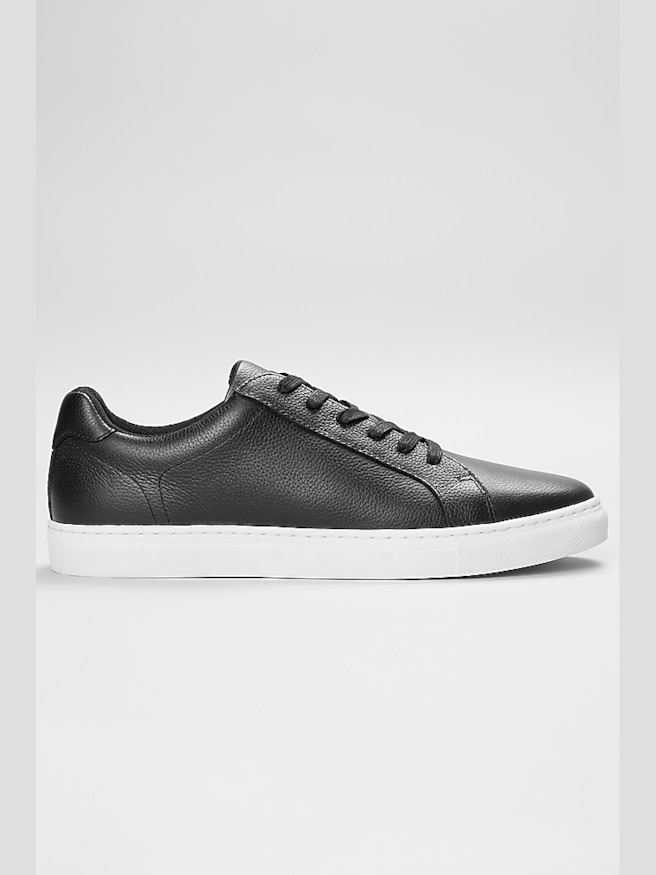
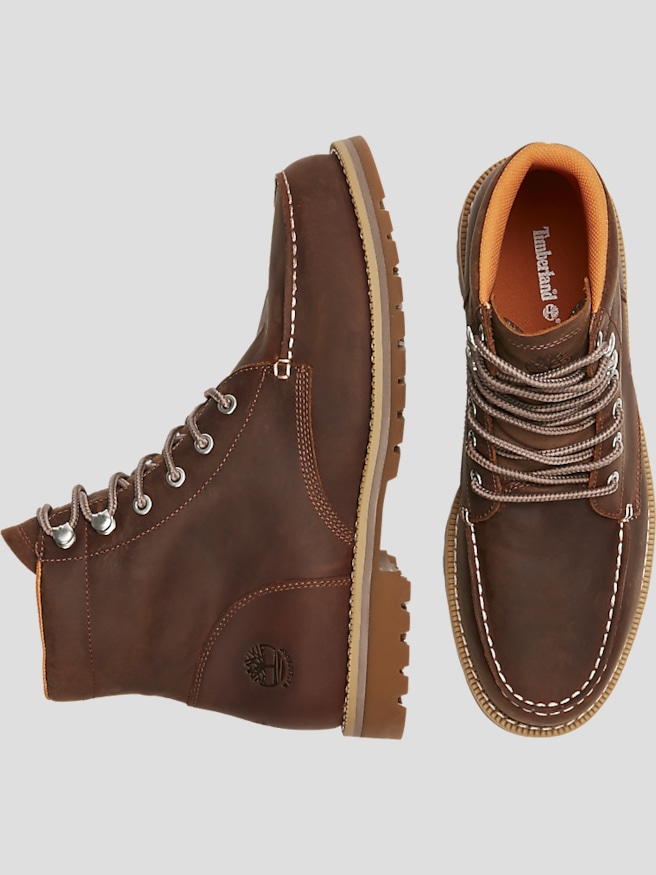
Everyday wear shoes are versatile footwear for routine walking, commuting, errands, and casual workplaces, balancing comfortable fit, durable construction, and easy-to-coordinate style. They fill the space between shoes reserved for formal occasions and footwear built for a particular sport, bringing a finished look to the clothes worn most often. A clean, low-profile sneaker can complement dark jeans and an untucked button-down, while a simple lace-up or loafer can give chinos and a polo a more polished appearance. The right shape depends as much on the rest of an outfit as on personal preference: a substantial sole works well with relaxed pants, while a slimmer profile sits neatly beneath a narrower hem. Neutral colors such as black, brown, gray, and navy make frequent wear easier because they pair naturally with a broad range of clothing. Texture adds variety without demanding a completely different wardrobe. Smooth leather has a tidy appearance that suits many business-casual settings, suede brings a softer finish to relaxed outfits, and textile or knit uppers offer a less structured look. Each material has its own character. Leather can gradually soften and develop creases with wear, although its feel depends on the thickness, lining, and construction. Suede has a distinctive nap that benefits from regular brushing. Mesh and knit can allow airflow, but breathability also depends on the lining and the overall design of the shoe. A padded collar, smooth interior seams, and a tongue that stays centered can make a noticeable difference during ordinary movement. For someone whose day includes a drive to work, a walk between buildings, and dinner afterward, understated footwear can connect those settings without looking overly formal or athletic. Everyday versatility is not just about matching colors; it also comes from choosing a level of polish that feels appropriate across the places visited most often. Familiar details, restrained stitching, and a balanced silhouette help shoes become part of an outfit rather than its main focus.
Comfort in everyday footwear starts with fit, not simply with the amount of cushioning underfoot. A well-fitting shoe leaves room for the toes to move without allowing the foot to slide forward, holds the heel securely without rubbing, and feels comfortable across the widest part of the foot. The upper should not pinch at the sides or press firmly against the top of the foot. Extra length is not a reliable substitute for the correct width, since a shoe that is too long can still feel narrow while allowing unwanted movement at the heel. Sizing can vary between footwear designs, making the feel of each pair more useful than the number alone. Trying shoes with the socks intended for everyday use gives a more realistic sense of the space inside; a thicker sock can change how a close-fitting loafer or lace-up feels. Feet may also become slightly fuller after normal daily activity, so checking fit later in the day can help reveal pressure that was not obvious earlier. Cushioning, arch contour, and sole flexibility contribute to comfort in different ways. A soft footbed can provide a pleasant step-in feel, while a stable base and secure upper help keep the foot positioned during movement. The most deeply cushioned shoe is not necessarily the most comfortable choice for every person. Someone walking several blocks between appointments may prefer a different balance of flexibility and structure than someone spending much of the day seated. Rubber outsoles can offer useful grip and resistance to wear, though traction depends on the tread, compound, and surface. Flex at the forefoot allows the shoe to move with a natural step without requiring the entire sole to feel flimsy. Laces allow small adjustments across the instep, while slip-on designs depend more closely on their shape and the fit around the heel. Removable insoles can be useful when compatible inserts are needed, provided the shoe has enough interior space. Everyday shoes should feel comfortable from the start; persistent rubbing or pressure is not something to accept as a necessary break-in period.
Durability comes from the combination of materials, construction, fit, and regular care. Reinforced areas around the toe and heel, securely attached soles, and even stitching are details worth noticing in footwear intended for repeat wear. An outsole should match the demands of the routine: frequent walking places different stress on a shoe than mostly seated office use, and repeated scuffing can be especially visible around the toe. Everyday footwear is not automatically a substitute for dedicated running shoes, protective work footwear, or shoes required by a workplace safety policy. Within its intended use, simple maintenance helps preserve both appearance and function. Smooth leather generally benefits from gentle cleaning and an appropriate conditioner used according to the material’s care instructions. Suede needs a different approach, typically a suitable brush and cleaner rather than leather polish. Textile uppers should be cleaned as directed, and machine washing should never be assumed safe. Letting footwear air out between wears gives the lining time to dry, while avoiding direct heat helps protect materials and adhesives. Shoe trees can help leather footwear retain its shape, and using a shoehorn reduces the need to crush the heel when putting shoes on. Checking tread wear, loose stitching, and compressed cushioning makes it easier to recognize when a familiar pair is no longer performing as comfortably as it once did. For a wardrobe centered on repeat wear, Men's Daily Shoes provide a natural connection to the same practical approach. Everyday wear shoes can also make a thoughtful gift for a father, partner, brother, or graduate building a wardrobe for a new routine. The most useful choice reflects the recipient’s habits, preferred colors, usual dress code, and fit needs rather than appearance alone. Shoes that feel comfortable at a desk, look appropriate at a casual gathering, and coordinate with favorite pants can become a dependable part of getting dressed. That combination of fit, function, and uncomplicated style gives everyday footwear its lasting place in a well-rounded wardrobe.