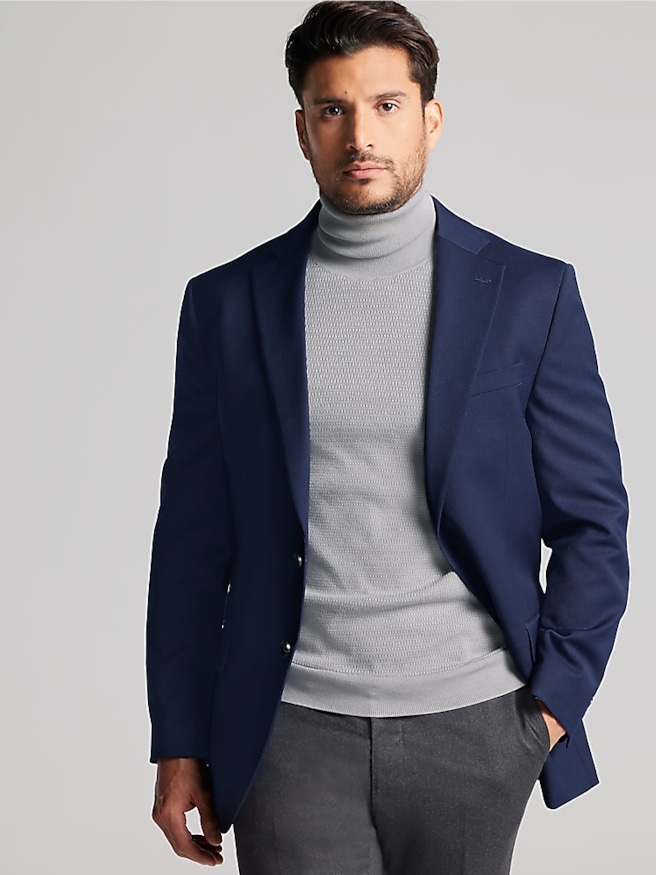
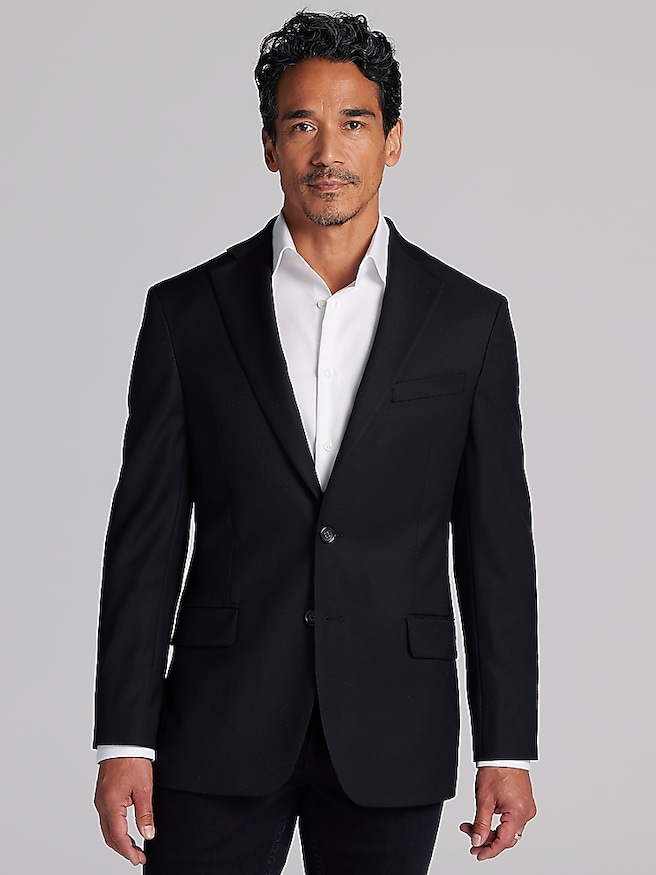
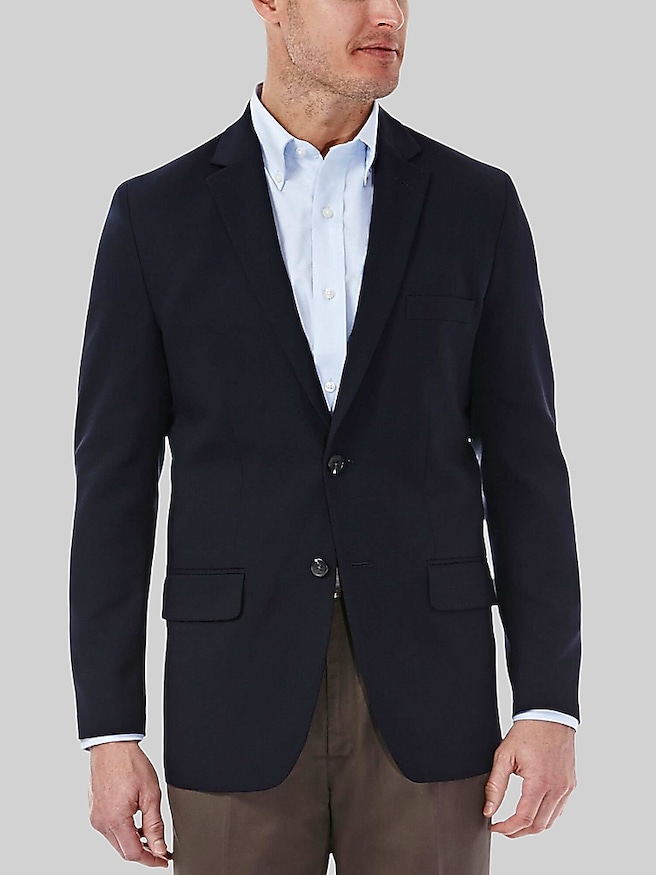
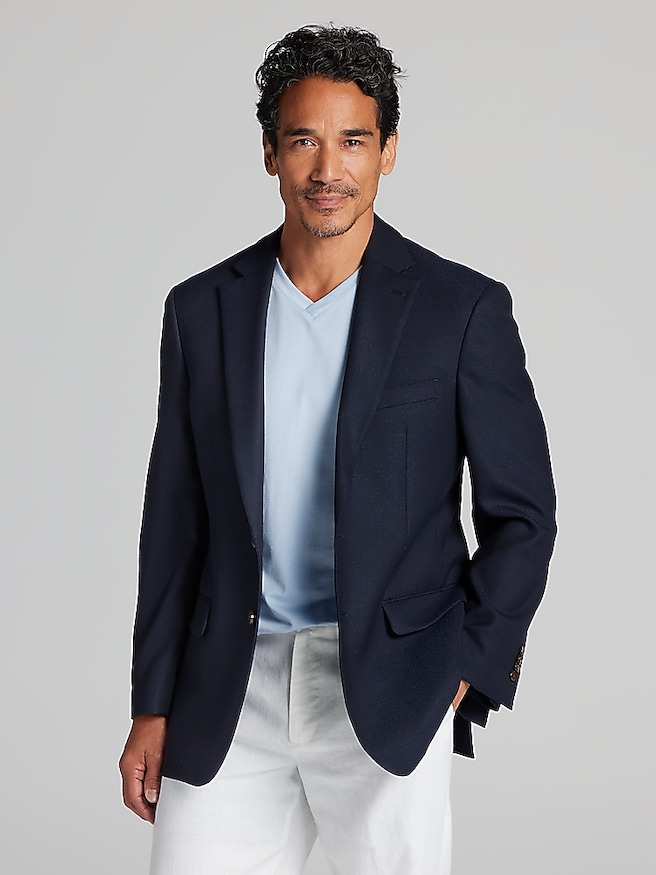
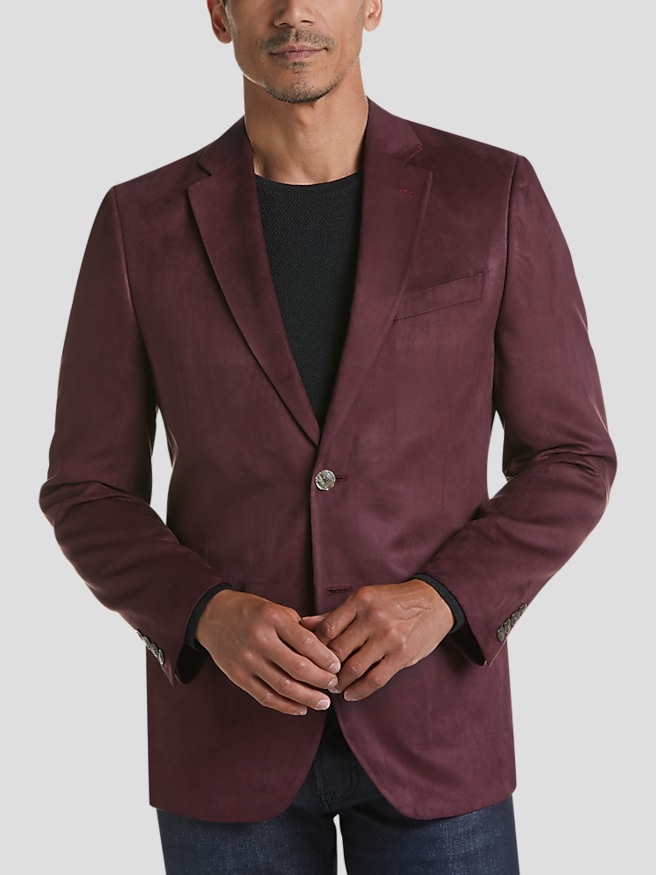
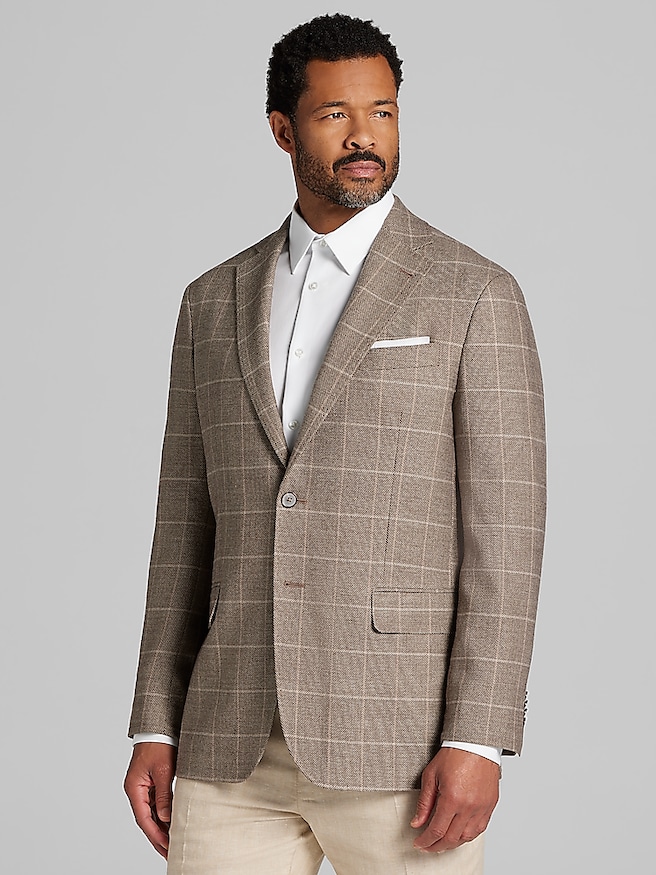
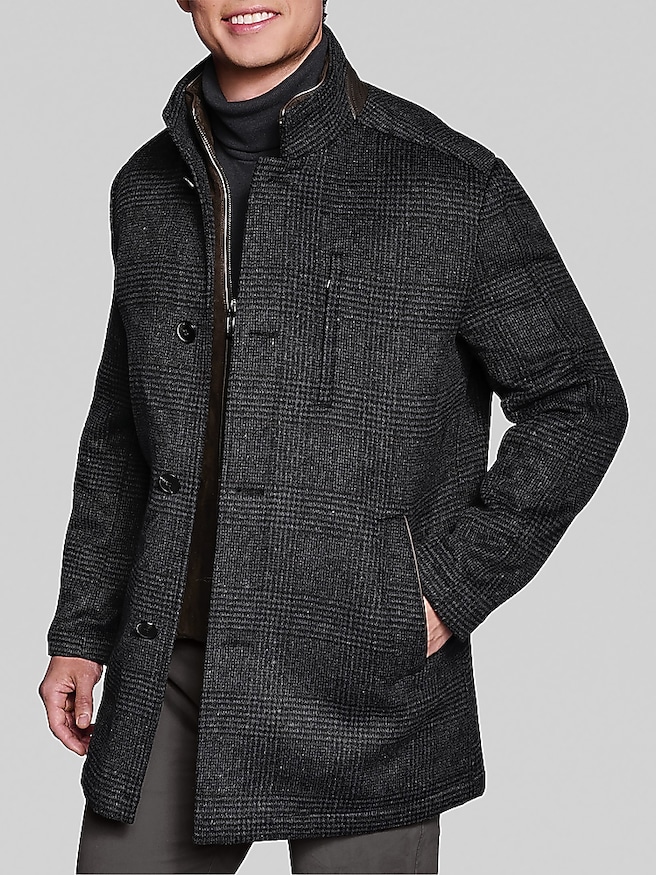
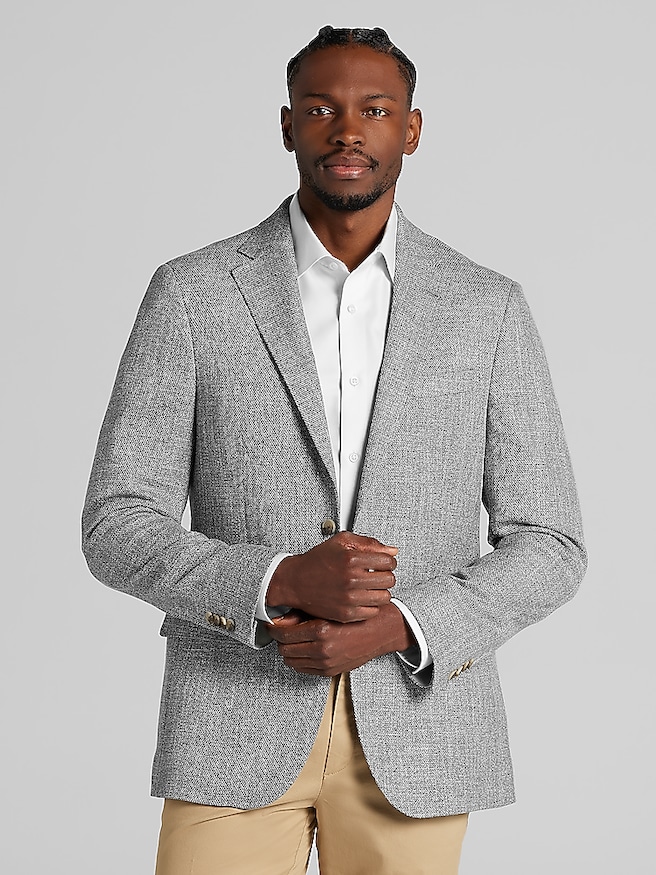
Smart casual coats for men bring the clean lines of tailored clothing to outfits that do not call for a full suit. The defining balance is structure without stiffness: a collar that sits neatly, shoulders that follow the body, and enough room to wear a knit or blazer underneath without bunching. Wool-blend overcoats, streamlined car coats, and understated quilted jackets can all fit this category, depending on their shape and detailing. An overcoat with notch lapels adds polish to dark denim and a fine-gauge sweater, while a car coat offers a shorter silhouette that works naturally with chinos and an open-collar shirt. Quilted styles lean more relaxed, but restrained stitching, minimal hardware, and a close, comfortable fit help keep the overall look composed. Length makes a noticeable difference. A coat reaching toward the knee creates a longer, more tailored line; one ending around the upper or middle thigh feels less formal and can be easier to manage while seated. Fabric contributes just as much as shape. Wool provides texture and body, while wool blends may include fibers that influence softness, weight, or resistance to abrasion. Cashmere content can lend a softer feel, though the percentage and overall fabric construction matter more than the fiber name alone. Cotton twill has a flatter, more casual appearance, and brushed finishes give solid colors visual depth without a prominent pattern. A smooth lining helps a coat slide over shirt sleeves and knitwear rather than catching against them. For a wardrobe built around navy, gray, and brown, charcoal or deep blue outerwear is straightforward to coordinate. Camel and muted olive provide contrast while remaining easy to pair with familiar trousers and shoes. The most useful choice is not necessarily the most formal one, but the coat whose proportions, texture, and details suit the clothing worn beneath it.
Fit is what makes a smart casual coat look intentional rather than simply layered on top. Shoulder seams should generally sit near the natural shoulder, unless the design deliberately uses a dropped or raglan construction. Across the chest, the front should close without pulling into an X around the buttons or forcing the lapels outward. At the same time, excess fabric through the waist can hide the shape of the outfit underneath. Trying a coat over the kind of clothing it will accompany gives a more useful impression than trying it over a thin shirt alone. A blazer needs space through the upper arms and chest, while a substantial knit may require more room at the neckline. Reaching forward, sitting down, and bending the elbows can reveal restrictions that are easy to miss in a mirror. Sleeves should cover the wrists comfortably without swallowing the hands, and a coat worn over tailoring should generally cover the blazer hem for a clean finish. These details matter in everyday settings: walking into an office with a relaxed dress code, meeting friends for dinner, or attending a daytime gathering where a suit would feel too formal. A navy car coat over stone chinos and a textured crewneck looks composed without appearing businesslike. A charcoal overcoat with dark, un distressed denim and leather boots creates a sharper outline while preserving an easy feel. With quilted outerwear, a collared shirt and neatly fitted trousers can supply the structure the jacket itself does not. Footwear helps set the final tone; loafers and simple lace-ups lean polished, while clean, low-profile sneakers keep the outfit casual. Patterns work best when they have room to stand out. A subtle herringbone coat can sit comfortably over solid separates, whereas a bold checked shirt is easier to balance beneath plain outerwear. Matching every color exactly is unnecessary; repeating a similar level of formality across the coat, trousers, and shoes creates a more cohesive result.
Construction and care help determine how well that appearance holds up with regular use. Closely stitched seams, securely attached buttons, and pocket openings that lie flat are useful details to examine. Fabric should drape cleanly rather than twist around the body, and the lining should allow movement without tugging at the hem or cuffs. A back vent can make a longer coat more comfortable when walking or sitting, while accessible pockets add everyday practicality. Carrying bulky keys or an overfilled wallet in outer pockets can distort their shape, especially in softer fabrics; keeping heavier belongings elsewhere helps preserve the silhouette. Durability depends on the combination of fiber, weave, finishing, and use, so a thicker cloth is not automatically a longer-lasting one. Areas that rub against bag straps, chair backs, or desk edges may show wear before the rest of the coat. Rotating between outer layers and allowing each one to air out between wears can reduce repeated stress. Care should follow the garment label, particularly for lined wool styles, blended fabrics, and treated finishes. Gentle brushing with an appropriate garment brush can remove surface lint from many wool coats, while prompt attention to marks helps keep them from becoming harder to address. Avoid aggressive scrubbing, which can disturb the surface, and use professional cleaning when the label calls for it. A broad, supportive hanger helps maintain the shoulders; enough closet space prevents lapels and sleeves from staying compressed. For a broader view of streamlined outerwear silhouettes, spring coats for men offers a related category to explore. A smart casual coat can also make a thoughtful gift for someone starting a new role, refining an everyday wardrobe, or marking a milestone birthday. Knowing the recipient’s usual jacket size, preferred coat length, and typical layers makes the choice more personal and practical. Understated colors, comfortable movement, and manageable care requirements are especially valuable for a coat intended to become part of a regular routine.