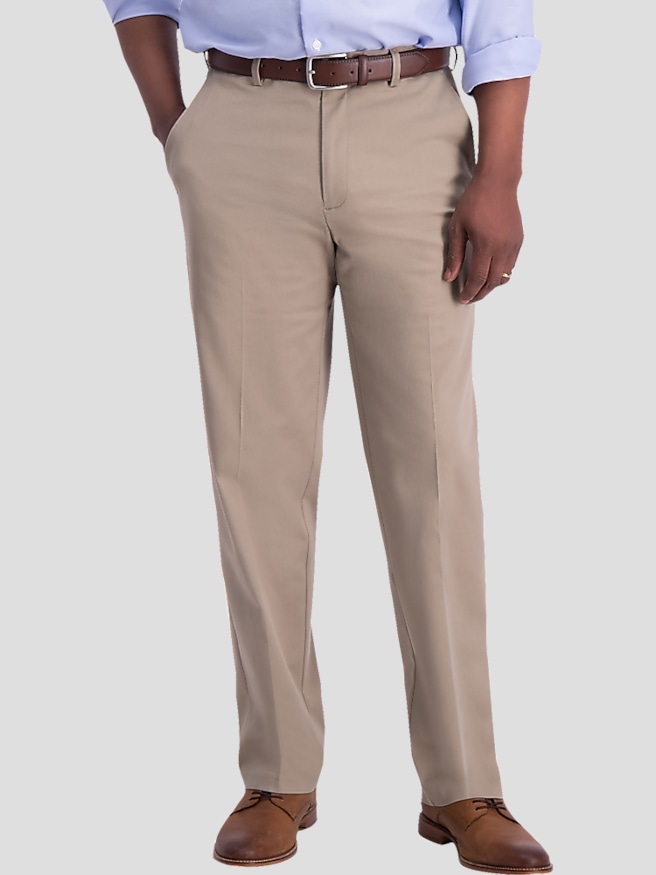
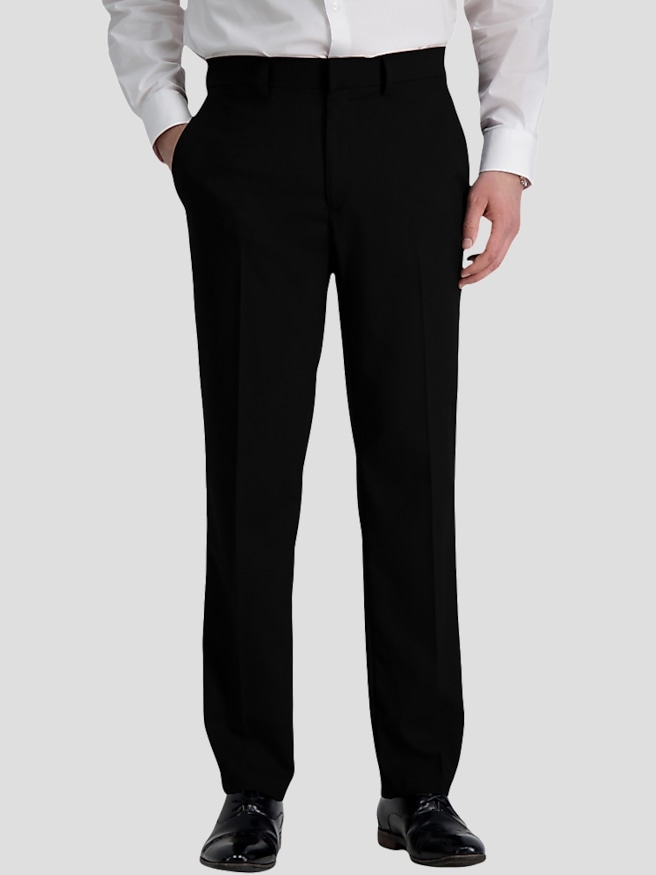
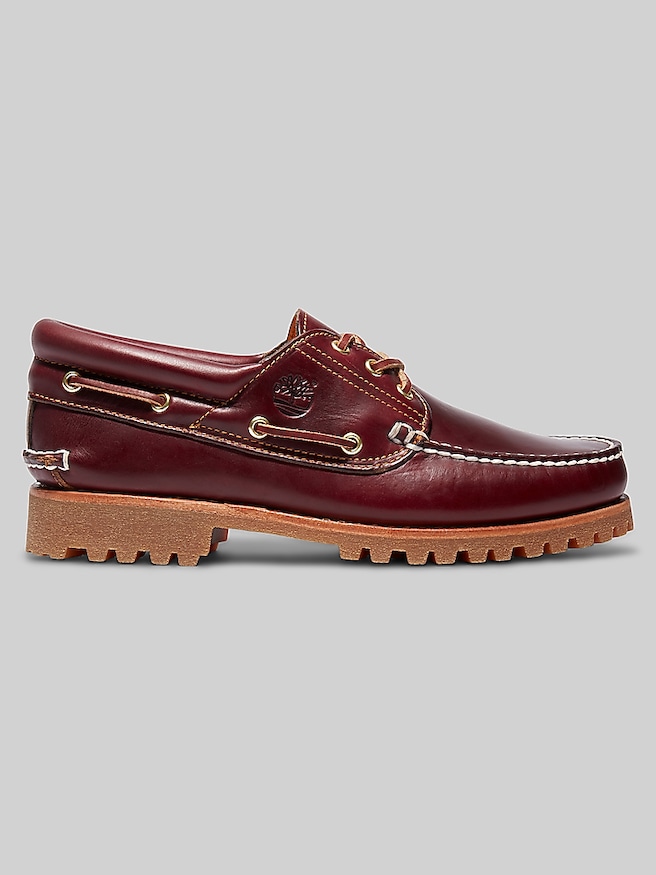
Smart casual attire for men combines the polish of tailored clothing with the ease of everyday pieces. It sits between a full suit and a strictly casual outfit, bringing together clean lines, considered fabrics, and footwear that looks intentional. Typical combinations include chinos with a button-down shirt, dark jeans with a knit polo and sport coat, or tailored trousers with a fine-gauge sweater and loafers. The appeal is flexibility: these clothes can feel appropriate for an office without a strict suit requirement, a dinner reservation, a networking event, or a gathering where a T-shirt would feel too relaxed. Unlike formal attire, smart casual usually does not depend on a matching jacket and trousers or a tie. Instead, the individual pieces share a similar level of refinement. An unstructured blazer adds definition without the stiffness of more formal tailoring, while an Oxford cloth shirt brings subtle texture that works equally well tucked into chinos or worn beneath a knit layer. Dark, undistressed denim can fit the look when the setting allows it, especially with an even wash, a tidy hem, and no decorative fading. Chinos offer another useful middle ground, with the shape of trousers and the familiar feel of cotton. Leather loafers, understated lace-up shoes, and clean Chelsea boots reinforce the polished side of the dress code; minimalist leather sneakers suit more relaxed settings where sneakers are welcome. Color helps these separate pieces work together. Navy, charcoal, olive, tan, and off-white create a dependable foundation, while a muted burgundy shirt or a textured blue sweater adds interest without overpowering the outfit. Patterns work best when their scale feels balanced with the rest of the clothing: a small check under a solid jacket reads differently from a bold print worn on its own. For a workday followed by dinner, tapered chinos, a tucked-in shirt, and a softly structured jacket create a coherent look without requiring a complete change of clothes. The overall effect is dressed with care, but not dressed for a ceremony.
Fabric and fit account for much of the difference between an outfit that merely meets a dress code and one that feels comfortable throughout the day. Cotton poplin has a smooth surface that gives shirts a crisp appearance, while Oxford cloth has a more visible weave and a slightly more relaxed character. Cotton twill gives chinos their familiar diagonal texture and can stand up well to regular wear when the fabric and construction are substantial. Wool and wool-blend trousers offer a fluid drape, and fine-gauge merino knitwear adds a refined surface without the visual bulk of a chunky sweater. Knitted polos can provide more give than woven shirts, while blends containing stretch fibers may make movement easier through the seat, thighs, elbows, or shoulders. Fiber content alone does not determine quality or comfort; fabric weight, weave, finishing, and garment construction also matter. A smooth lining can help a jacket move over a shirt, and neatly finished seams reduce distracting bulk. Fit should create a clean outline while allowing ordinary movement, whether that means sitting through a presentation, reaching across a table, or walking several blocks to a restaurant. Shirt shoulder seams should sit near the edge of the shoulders, and the front should lie smoothly without pulling between buttons. A jacket should rest comfortably across the upper back and chest rather than strain when the arms move. Trousers need enough room through the seat and thighs to sit comfortably, with a leg shape that follows the body without clinging. A slight break or clean finish at the shoe generally looks more deliberate than fabric pooling around the ankle. Slim, tailored, and more relaxed cuts can all work within smart casual attire when their proportions suit the wearer. A fuller trouser leg often pairs well with a shirt or jacket that has some structure, while a tapered silhouette can keep a simple knit-and-chino combination looking sharp. Good construction, secure buttons, even stitching, and reinforced stress points support repeated use, especially in clothing intended for a regular rotation.
Finishing details bring the separate pieces into focus. Belts, watches, socks, and other accents associated with Smart Casual Accessories for Men work best when they support the outfit rather than compete with it. A simple leather belt in a tone close to the shoes creates continuity, though an exact color match is not always necessary. A restrained watch and socks that relate to the trousers can make an outfit feel complete without adding much visual activity. Texture provides another point of connection: the grain of leather, the weave of a shirt, and the surface of a knit can add depth even when the colors are subdued. Intended use remains important. For a client lunch, tailored trousers and a collared shirt may feel more appropriate than denim; for a relaxed birthday dinner, dark jeans, loafers, and a sport coat can strike the right balance. Venue expectations and any stated dress code take precedence, since smart casual can mean something slightly different in an office, a restaurant, or an event space. These versatile clothing categories can also make thoughtful gifts for someone starting a new role, refining an everyday wardrobe, or looking for comfortable alternatives to full suiting. Familiarity with the recipient’s measurements, preferred fit, and usual colors makes clothing gifts more personal and easier to wear. Care helps preserve the details that give these garments their polished appearance. Each care label should determine whether a piece is machine washable, hand washable, or suitable for professional cleaning. Prompt attention to stains, appropriate washing cycles, and careful drying can help protect color and shape. Knitwear generally keeps its proportions better when stored folded, while jackets benefit from supportive hangers that maintain the shoulders. Pressing or steaming, when permitted by the fabric’s care instructions, restores a clean finish to shirts and trousers. Shoes also contribute to the impression: brushed suede, conditioned leather, and clean soles look considered beside well-kept clothing. With consistent care and a balanced fit, smart casual attire becomes a practical foundation for work, social plans, and everyday occasions that call for a little extra polish.